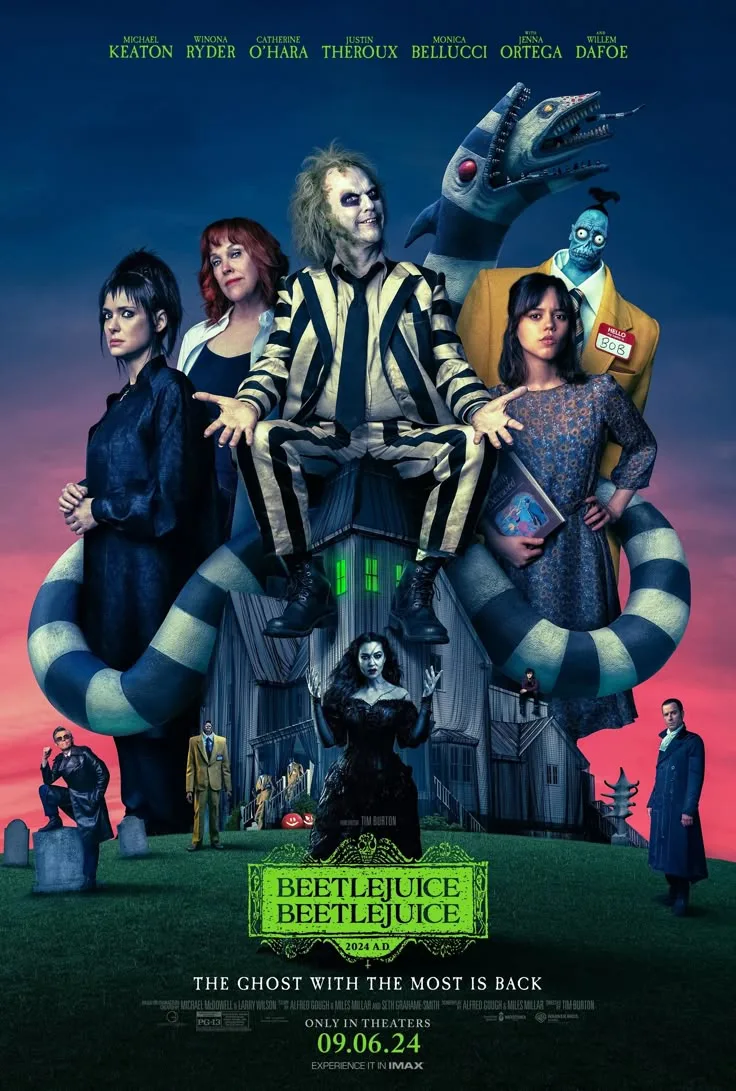

Tentpole movies are crucial to a film studio's annual success, acting as the financial backbone that supports the entire company. These aren't just big-budget blockbusters; they are strategically vital films that drive revenue and enable investment in other projects. Understanding this concept is key to grasping the film industry's blockbuster strategy for 2026.
What Does 'Tentpole' Mean in the Film Industry?
The term 'tentpole' originates from the central, sturdy pole that supports a large circus tent. In the film industry, a tentpole movie serves a similar function: it's a single, high-stakes film that a studio relies on to generate significant revenue for the year, ensuring its financial stability and ability to fund other productions. Studios often pour immense resources into these films, as their success is critical not only for profit but also for maintaining the company's operational capacity. This focus allows them to take risks on smaller, more artistic projects that might not otherwise get greenlit.
For instance, analyses have shown that a single film studio might earn up to 70% of its annual revenue from just three tentpole films. This highlights their immense importance in securing a studio's financial health and providing the capital needed for diverse filmmaking endeavors, from major franchise installments to independent features.
How Do Tentpole Movies Differ From Blockbusters?
While often used interchangeably, 'tentpole' and 'blockbuster' have distinct meanings. A blockbuster primarily refers to a film with a massive budget and widespread appeal, focusing on its sheer scale and box office performance. A tentpole movie, however, encompasses this scale but adds a crucial layer of strategic importance for the studio. It's not just about making a lot of money; it's about a film that the studio has strategically bet on to define its financial year and future direction. Therefore, while most tentpole films are blockbusters, not all blockbusters are necessarily tentpoles if they don't carry that same strategic weight for the company.
Consider a film with a $200 million budget that performs moderately well, recouping its costs but not significantly boosting the studio's bottom line. It's a blockbuster by scale. However, a film with a $100 million budget that is designed to launch a new franchise, with extensive merchandising and spin-off potential, could be considered a tentpole due to its strategic value, even if its initial box office is slightly lower than another film. This strategic focus is what defines a tentpole.
Why Do Major Films Consistently Release During Peak Seasons?

Film studios strategically release their tentpole movies during peak seasons like summer vacation or the year-end holidays for a clear reason: maximizing audience reach and consumer spending. During these periods, people have more leisure time and a greater propensity to spend on entertainment. This creates an ideal environment for tentpole films to achieve their highest box office potential and secure a significant return on investment. This strategy is a cornerstone of tentpole success, ensuring maximum visibility and engagement.
For example, tentpole films released during the 2023 summer season often saw their opening weekend box office receipts cover over 20% of their total production budget. This demonstrates how effectively studios leverage seasonal demand to drive the success of their most critical releases. While this strategy benefits audiences by offering major entertainment options, it also intensifies competition, sometimes leading to box office disappointments.
How Does the Tentpole Strategy Extend Beyond Film?
The 'tentpole' concept has expanded far beyond the film industry, influencing marketing, advertising, and distribution across various sectors. Major retail sales events, like Black Friday or anniversary sales at large shopping malls, function as 'tentpole events' designed to drive annual revenue. Similarly, on platforms like YouTube or Netflix, a highly anticipated original series or exclusive content can act as a tentpole, attracting new subscribers and boosting overall user engagement. The core idea remains consistent: using a key product or event to propel the growth of an entire business.
For instance, a major streaming service announced plans to attract 1 million new subscribers in early 2025, driven by the release of a flagship original series. This series is positioned as the platform's tentpole, aimed at expanding its market share. This strategic application of the tentpole concept is becoming a vital growth engine across numerous industries.
For more details, check the original source below.