Want to learn English phrases inspired by the magic of Frozen, even in the summer? This guide breaks down key English expressions related to Elsa's powers, perfect for practical conversation in 2026. We'll explore iconic movie moments to boost your English fluency.
How Do You Say Elsa's Magic in English?
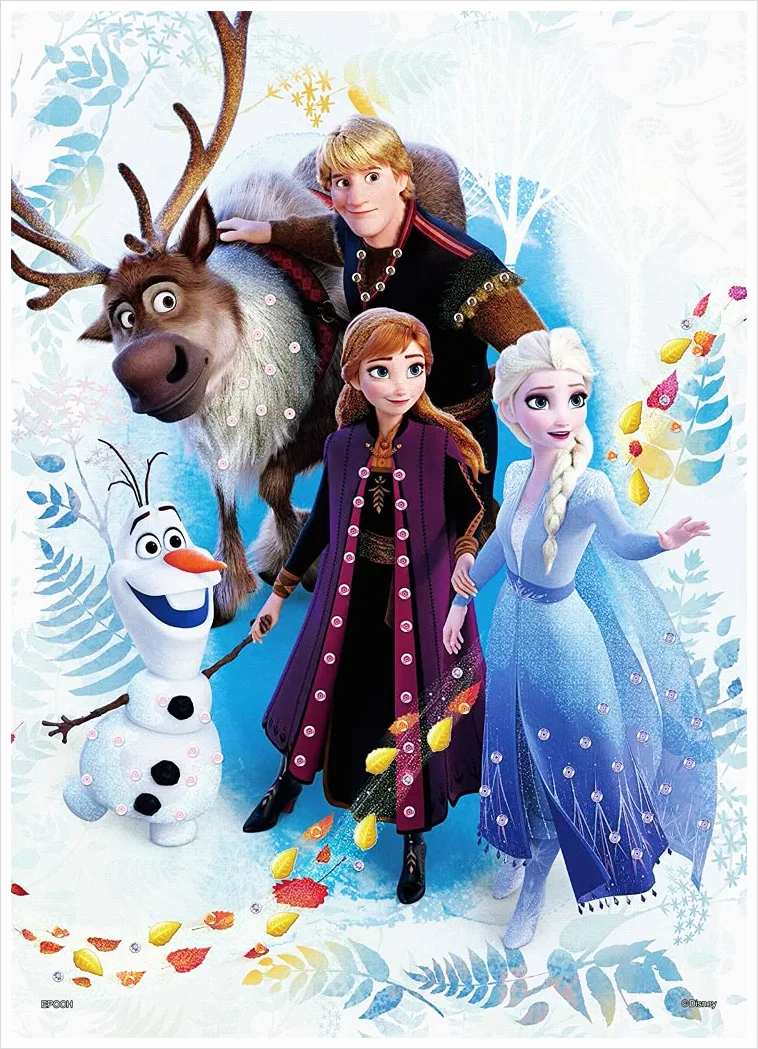
In Disney's beloved film 'Frozen,' Elsa is born with the extraordinary ability to create ice and snow. However, after accidentally injuring her younger sister Anna with her powers, Elsa decides to conceal them and isolate herself from the world. This isolation can be described as 'shutting the world out.' If you've ever felt the urge to withdraw after experiencing hurt, this phrase might resonate. Elsa's desire to hide her powers is expressed as 'hide her powers,' showing her intention to conceal her abilities. This often stems from personal pain or fear.

Just as Elsa tried to hide her powers, we sometimes try to conceal our true feelings or capabilities. This can be a natural instinct for self-protection.
Why Did Elsa's Powers Become Uncontrollable?
Years later, as Elsa is about to be crowned Queen of Arendelle, her magical abilities ultimately spiral out of control. This situation is perfectly captured by the phrase 'get out of control.' When Elsa's emotions heighten or she faces unexpected circumstances, her magic becomes difficult to manage. Such loss of control often manifests as an eruption of pent-up emotions or internal conflict. Unable to bear her powers any longer, Elsa flees into the mountains, seeking to live 'on her own terms' by building an ice palace. This signifies her strong desire for freedom, away from societal expectations and responsibilities. Many people today seek their own sanctuary to find freedom from complex realities.
Why Did Arendelle Freeze, and Who Must Fix It?
After Elsa leaves the kingdom, Arendelle is plunged into an eternal winter due to her magic. The responsibility to resolve this dire situation falls entirely on Elsa's sister, Anna. The expression 'it's up to ~ to...' highlights when a specific person or group is tasked with a responsibility or mission. To save her kingdom, Anna embarks on a perilous journey to find her sister, facing numerous challenges along the way. Her quest is a prime example of courage and devotion. Anna's efforts to 'make things right' beautifully illustrate familial love and a strong sense of duty.

When someone needs to step up and fix a difficult situation, we often say 'it's up to them,' emphasizing the important task they've been given.
How Can You Use 'Frozen' English Phrases in Real Conversations?
The English phrases featured in 'Frozen' are incredibly useful in everyday life. For instance, 'shut out' can refer to more than just physical barriers; it can also describe psychological exclusion. You might say, 'I felt shut out by my friends' if you experienced social isolation. 'Get out of control' is handy when a party becomes too wild or a plan goes awry. You could use it like, 'The party got out of control' or 'My schedule got out of control.' 'On one's own terms' is perfect for expressing a desire to lead your life proactively. Saying 'I want to live my life on my own terms' conveys your intention to make your own life decisions. Lastly, 'it's up to you' is frequently used to prompt someone else to make a decision or take action. For example, 'It's up to you to decide' hands the decision-making power over to the other person. Mastering these expressions will significantly enhance your English speaking skills.
For more details, check the original source below.