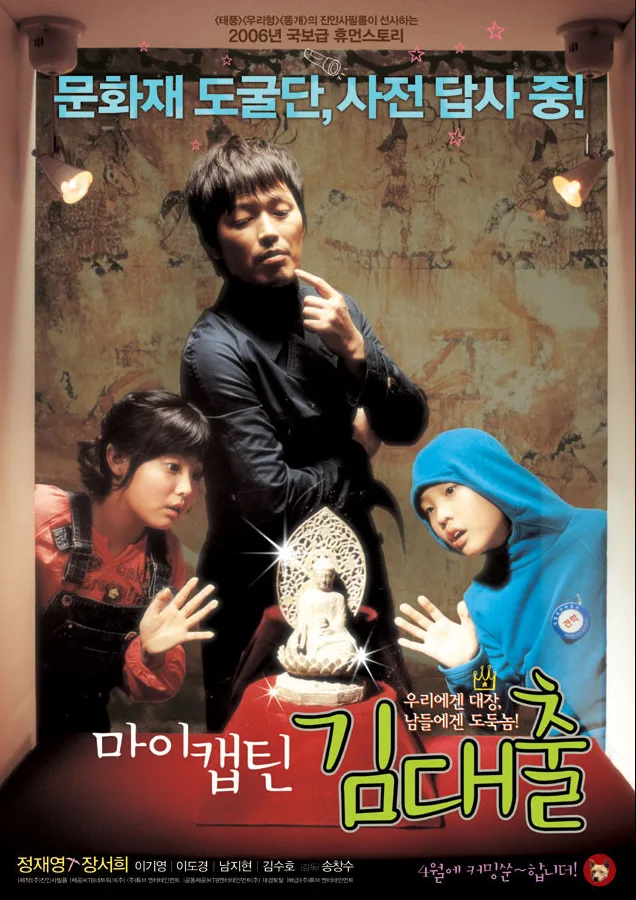
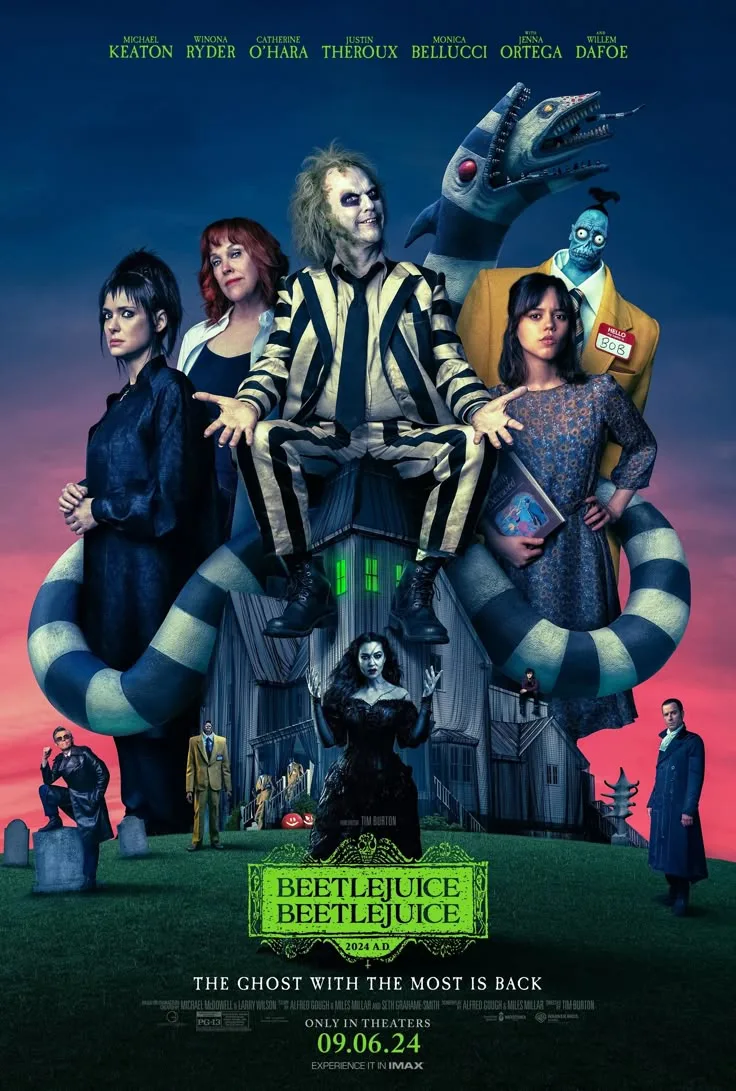
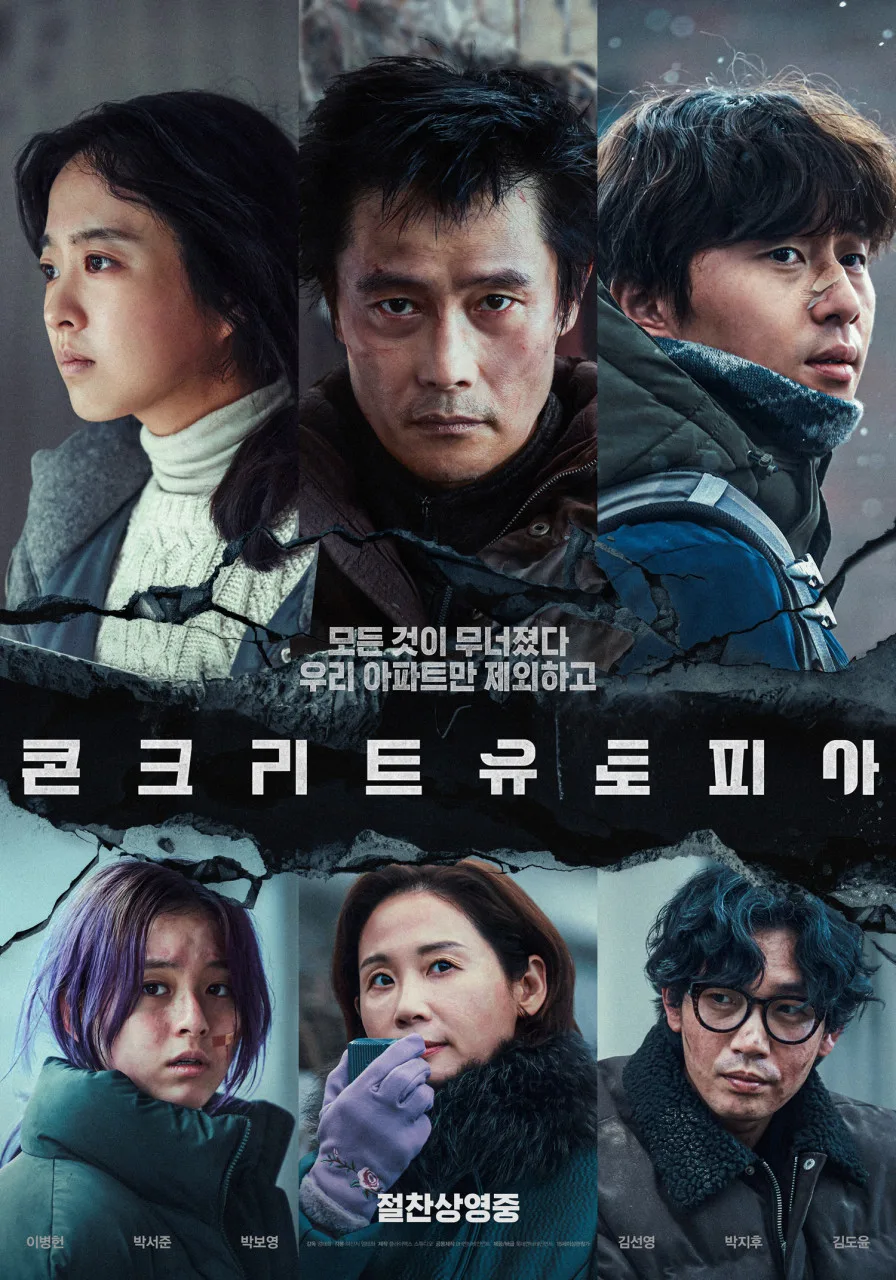
Seoul Theater, which I visited in January 2017, was more than just an old cinema; it was a living testament to 40 years of Korean film history in the heart of Jongno. Its closure in 2021 left many film enthusiasts with a sense of loss. The movie I watched there, 'Don't Worry,' was a compelling story about three individuals living vastly different lives within the same city of Seoul, leaving a lasting impression. The unique Starbucks inside, with its charming cup collection, also remains a fond memory.
What Was Seoul Theater Known For? (History & Features)
Opened in 1979, Seoul Theater stood as a historic landmark in Seoul's Jongno district for over four decades, playing a significant role in the city's cinematic culture. In its heyday, it boasted state-of-the-art facilities and was a beloved spot for moviegoers. However, as the landscape of the film industry evolved with the rise of multiplexes, the theater faced its challenges. Despite this, Seoul Theater preserved its unique ambiance and rich history, offering a special experience for many. During my visit in January 2017, although visitor numbers had declined and some facilities were no longer operational, the palpable sense of time and dedication to film still deeply impressed visitors. The small Starbucks within the theater added a modern touch, contrasting with the vintage atmosphere, and its collection of unique cups and tumblers caught the eye.

This venue was more than just a place to watch movies; it was a repository of countless memories and stories.
What Kind of Movie Was 'Don't Worry' Shown at Seoul Theater?
Related Articles
In January 2017, the film 'Don't Worry,' which I saw at Seoul Theater, delicately portrayed the lives of three individuals navigating distinct paths within the same city of Seoul. The movie explored how their lives intertwined through unexpected events, offering viewers a profound sense of empathy and introspection. The direction and the actors' authentic performances left a strong impression. The realistic depiction of Seoul's diverse landscapes and its inhabitants further enhanced the immersion. 'Don't Worry' possessed the power to make us reflect on the true meaning of life and the importance of relationships, even without relying on flashy action or sensational themes.
It was a film that would undoubtedly linger in the mind long after viewing, and it remains a special experience, marking one of Seoul Theater's final screenings. This K-movie offered a poignant look at urban life.
What Was Seoul Theater's Final State, and What Caused Its Closure?
During my visit to Seoul Theater in January 2017, it was evident that the theater had lost some of its former vibrancy. Some escalators were not functioning, and the dimly lit corridors bore the marks of time. Nevertheless, I had a unique experience and was deeply moved by 'Don't Worry.' The news of Seoul Theater's closure in 2021, after over 40 years serving the Jongno community, was deeply disappointing. The disappearance of a space imbued with the memories and passion for film of so many people is a significant loss to Korean cinema. While the exact reasons for its closure were not officially stated, it's widely speculated that a combination of factors, including the increasing competition from modern multiplexes and ongoing financial difficulties, contributed to its demise. The changing dynamics of the film industry made it challenging for historic single-screen theaters like Seoul Theater to thrive. Today, its presence can only be revisited through current street views, serving as a reminder of the evolving landscape of moviegoing in Korea.
How to Choose a Movie Theater in 2026
When selecting a movie theater in 2026, consider more than just the screen. Factors like sound quality, seating comfort (e.g., recliner options), and overall ambiance play a crucial role in the viewing experience. While historic theaters like Seoul Theater offered a unique charm, the modern cinema landscape provides diverse options. Look for theaters that offer premium formats like IMAX or Dolby Cinema for an immersive experience, or smaller, independent cinemas for a more curated selection of films, including international and art-house Korean films. Check for special promotions or discount days, which can make attending the movies more affordable. Many theaters now offer online booking with seat selection, adding convenience. Consider the theater's location and accessibility via public transport, especially if you're exploring a new city like Seoul. Ultimately, the best theater is one that enhances your enjoyment of the film, whether it's a state-of-the-art multiplex or a beloved, albeit now closed, historic gem.
For more details, check the original source below.