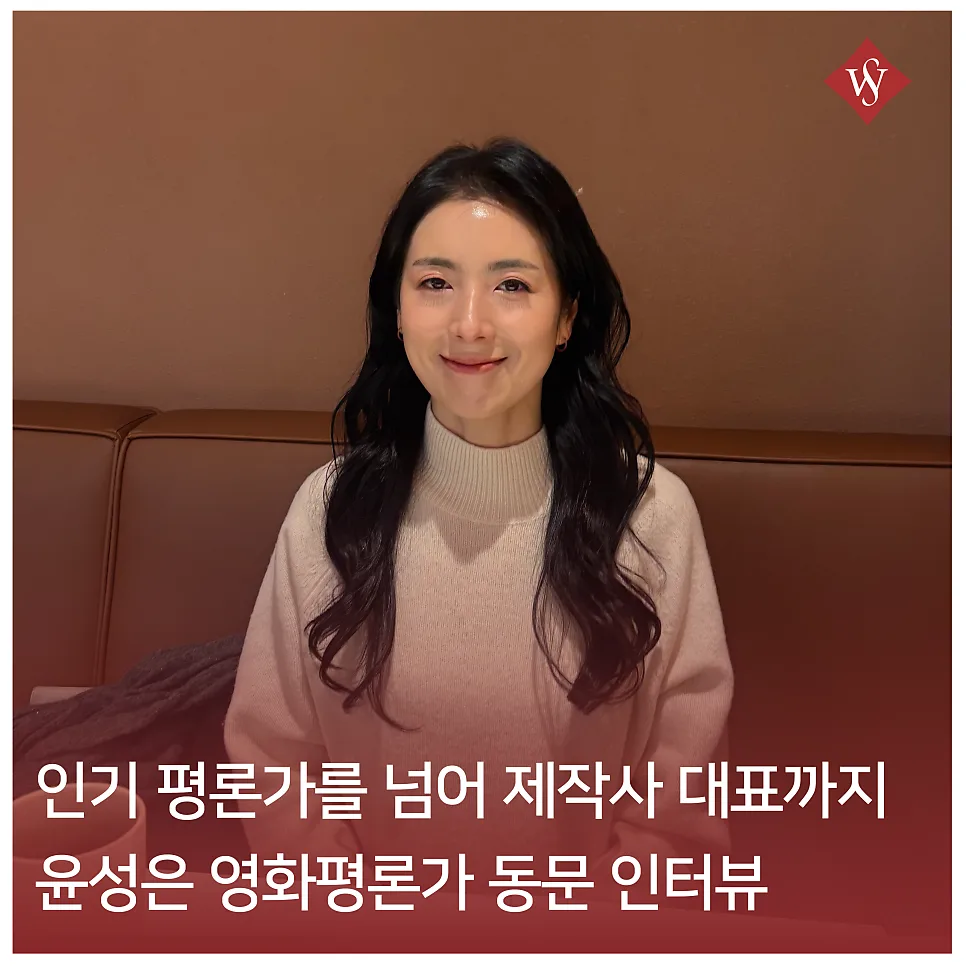
This article details the key experiences and insights of film critic Yoon Sung-eun as she expands her career into film production, updated with 2026 information.
What Sparked the Dream of Becoming a Film Critic?
I first dreamed of becoming a film critic right before entering graduate school. After graduating from college, I initially aimed to become a teacher and prepared for the national exam. However, I realized it wasn't the right path for me. While working as a temporary teacher, I found myself more interested in writing and studying. This led me to decide on a career as a critic in the film industry, a field I've always loved. My mother strongly opposed this decision, wanting a stable job for me, but I pushed forward with my conviction that I needed to pursue what I was passionate about. My friends cheered me on, calling my bold decision amazing. In my experience, pursuing work you love provides the greatest motivation and sense of accomplishment.
What Were Your Activities as a Film Critic and the Catalyst for Transitioning to Production?
Film criticism, based on realism, is a captivating craft that draws audience empathy. In the early to mid-2000s, with the rise of various media, demand for visual content was high, making film criticism a natural choice. However, the perception of critics sometimes being on the periphery of the film industry fueled a desire to be at the center of filmmaking, actively creating content as a producer. Especially now, with Korean cinema gaining global recognition, I felt a pull to become more deeply involved. My experience as a critic provided a strong foundation for understanding films deeply, but production offers the experience of being on the creative front lines.
Related Articles
What Are Film Critic Yoon Sung-eun's Major Activities and Achievements?
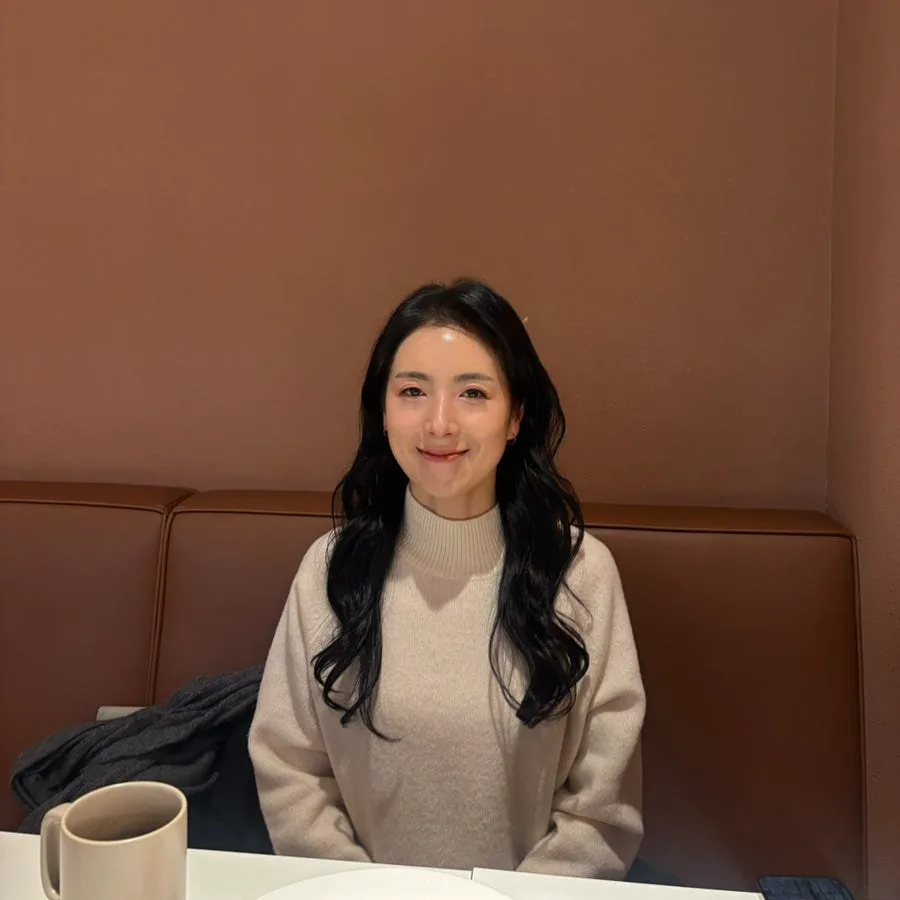
As a graduate of Seoul Women's University's Korean Language and Literature program (Class of '97), I've been actively working as a film critic and participating in broadcast discussions. Recently, I was appointed as a judge for the 46th Blue Dragon Film Awards, a testament to my recognized expertise. In my role as a critic, I analyze and interpret the trends in Korean cinema, striving to connect with the public. Based on my experience, these activities contribute to elevating the status of Korean films and inspiring a wider audience and industry professionals. In particular, the deep analytical skills and insights gained as a critic serve as a strong foundation for my new endeavors as a producer.
What Are the Differences and Synergies Between a Film Critic and a Producer?
A film critic's role is to objectively analyze, interpret, and critique a work. A producer, on the other hand, plays a central role in conceptualizing ideas, managing budgets, and overseeing the entire creative process. As a critic, I focused on evaluating a film's quality and artistic value. My experience as a producer is developing my ability to consider the practical aspects of filmmaking and market viability. These two roles are complementary. My sharp analytical skills as a critic will help in selecting good scripts and enhancing their quality, while my experience as a producer will add deeper insight to my critical reviews. In my experience, this synergy plays a crucial role in creating more polished content.
What Are the Key Considerations for Film Production, According to Critic Yoon Sung-eun?
The filmmaking process is full of unexpected variables, making thorough preparation and flexible response essential. First, budget management is critical. Budgets must be set realistically, with contingency funds for unforeseen expenses. Second, teamwork is paramount. Smooth communication and collaboration among all members—director, writer, actors, and staff—are indispensable. Third, balancing creativity with marketability is key. While pursuing artistic value, it's important to reflect audience needs and market trends. In my experience, successfully navigating these elements leads to successful production. The challenges of production can vary depending on individual circumstances, so consulting with experienced professionals is recommended.
For more details, check the original source below.