Black rice, packed with anthocyanins and fiber, is a cornerstone of the low-aging diet, aiding blood sugar management and creating satisfying meals. This guide, updated for 2026, explores the benefits of this healthy grain for your well-being.
Why Is Black Rice So Deeply Purple? The Anthocyanin Secret
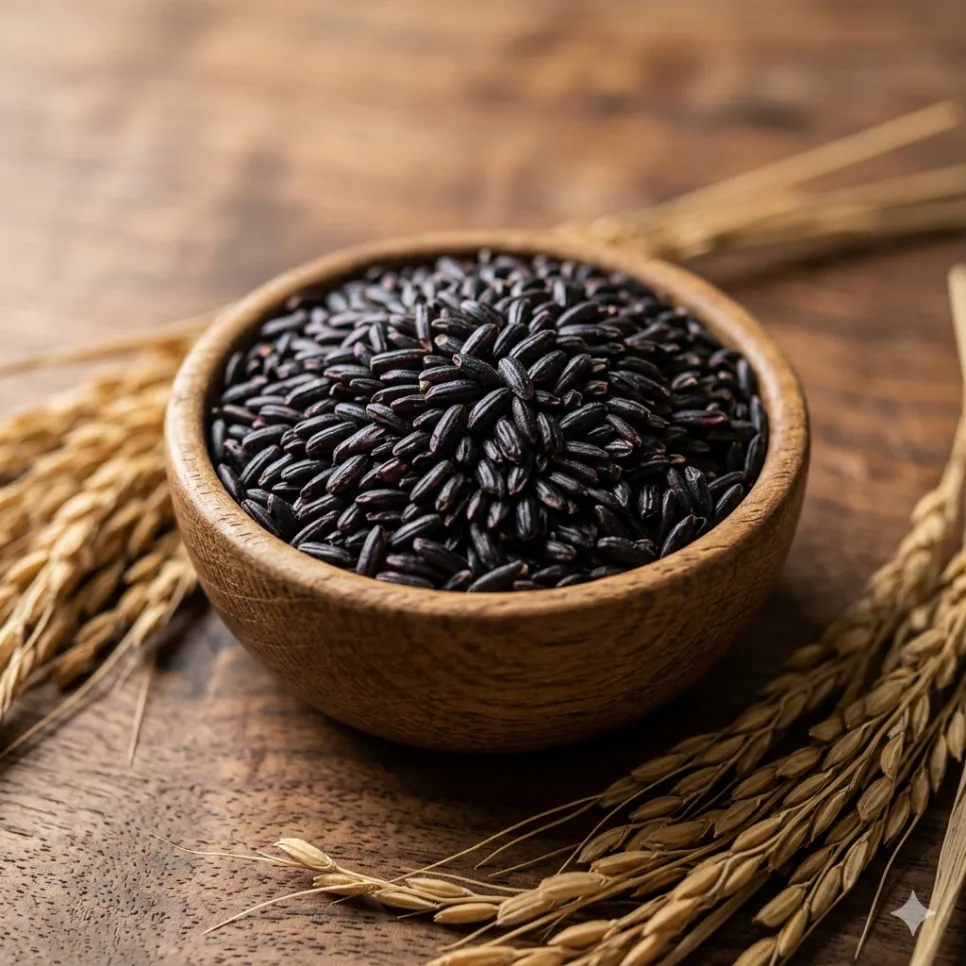
The striking deep purple hue of black rice comes from anthocyanins, water-soluble pigments abundant in the bran layer. These compounds, found in higher concentrations than even in blueberries, give black rice its powerful antioxidant properties. While its appearance might seem rustic, black rice offers a nutty, toasty flavor when chewed, making it an excellent example of a healthy carbohydrate. Each grain is a tiny powerhouse of nutrients, a true gift from nature.
What Are the Key Benefits of Black Rice and How Do They Work?
The primary reason to incorporate black rice into your diet is its potent antioxidant activity. The anthocyanins in black rice effectively neutralize harmful free radicals in the body, protecting cells from damage and promoting vitality. This can be particularly beneficial for eye health, especially for those who spend long hours in front of screens, and can contribute to maintaining skin radiance. Compared to refined white rice, black rice boasts significantly more dietary fiber. This fiber aids digestion, supports gut health, and provides essential minerals like B vitamins, iron, and zinc, helping to naturally replenish nutrients often lacking in busy modern lifestyles.
Achieve Blood Sugar Control and Fullness with Black Rice in Your Low-Aging Diet
Blood sugar management is a major focus in today's health landscape, and preventing post-meal blood sugar spikes is crucial. Black rice, a complex carbohydrate, digests and absorbs more slowly than white rice, effectively moderating sugar absorption. For those who experience quick hunger pangs or energy crashes after meals, black rice congee offers a fantastic alternative. Its abundant fiber content promotes prolonged feelings of fullness, curbing snack cravings and naturally supporting portion control. For individuals pursuing a healthy weight loss journey or concerned about metabolic health, black rice is a valuable ally on your dining table. It plays a significant role in building sustainable healthy eating habits.
Tips for Cooking Delicious Black Rice Congee and Proper Consumption Advice
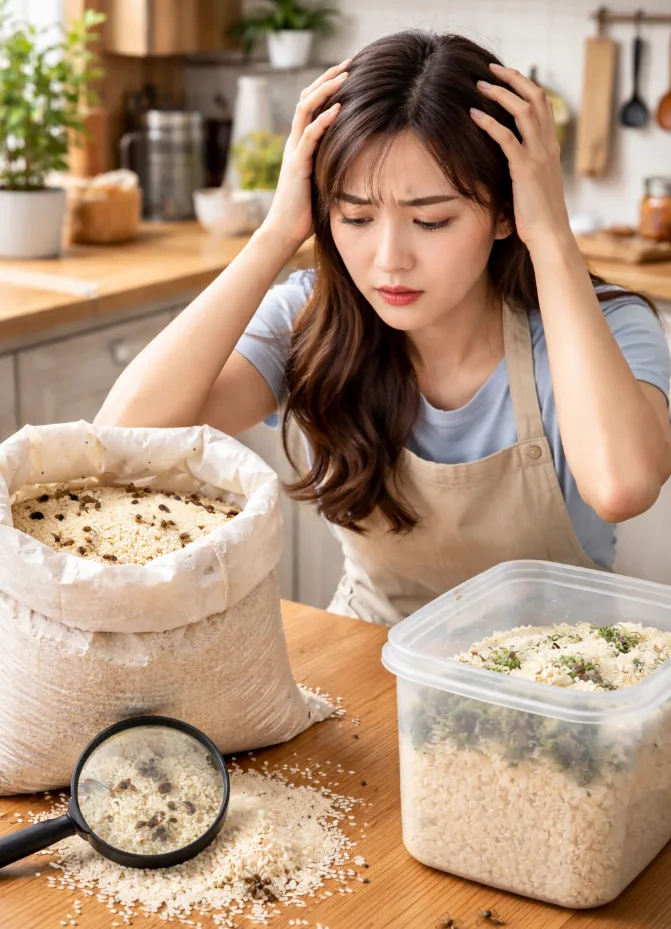
To fully enjoy the benefits of black rice, it needs to be prepared correctly. Because black rice has a tougher bran layer than white rice, simply cooking it without preparation can result in a slightly chewy texture. The best method is to soak the grains for 1 to 2 hours before cooking. If time is short, a brief soak in lukewarm water can also help. For beginners, start with a ratio of 9 parts white rice to 1 part black rice. This blend offers a subtle purple tint and a familiar texture. As you become accustomed to it, you can gradually increase the black rice proportion to 8:2 to fully appreciate its unique qualities. Be gentle when washing black rice; avoid vigorous scrubbing to preserve the precious anthocyanins. It's important to remember that while black rice is highly nutritious, moderation is key. Those with sensitive digestive systems or young children might experience discomfort if they consume too much due to its high fiber content and firm texture. Adjust your portion sizes based on your individual digestive comfort and make a habit of chewing your food slowly and thoroughly to enhance nutrient absorption and reduce digestive strain. Black rice is a healthy food ingredient, not a medicine, so aim to incorporate it naturally into your daily meals rather than overindulging.
For more details, check the original source below.