Choosing between eating at the company cafeteria or packing your own lunch is a common dilemma for many professionals. While cafeterias offer a relatively inexpensive, complete meal, they can involve travel time and office chatter. Packed lunches provide personal time for relaxation or self-improvement, but require preparation and have menu limitations. This guide helps you weigh the pros and cons for a smarter lunch choice in 2026.
Lunch Options: Cafeteria or Packed Lunch – Which is the Better Choice?
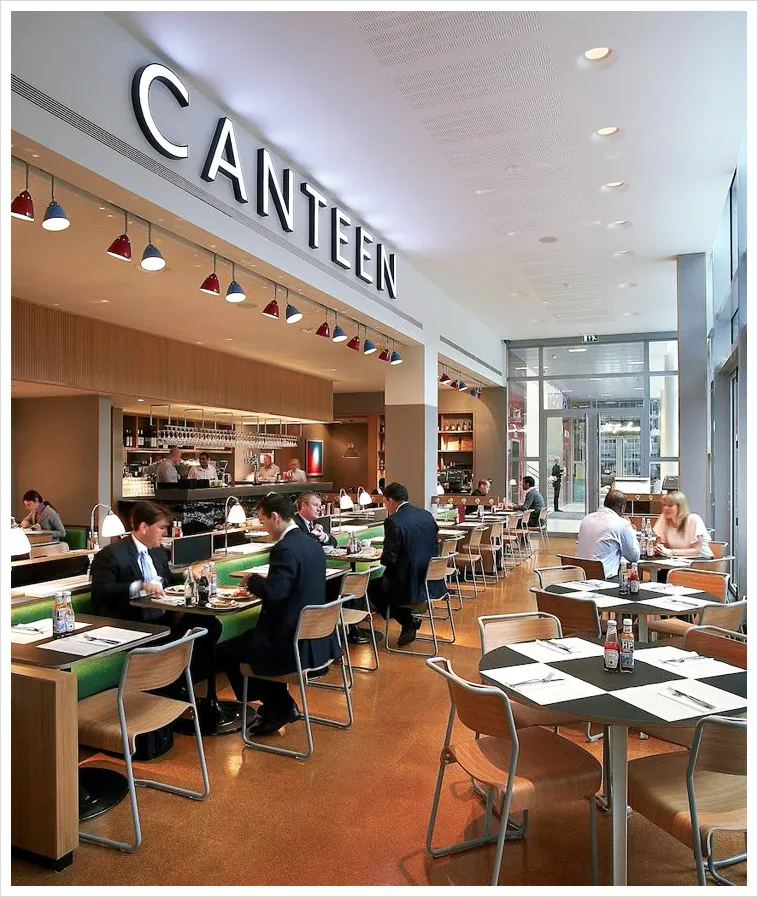
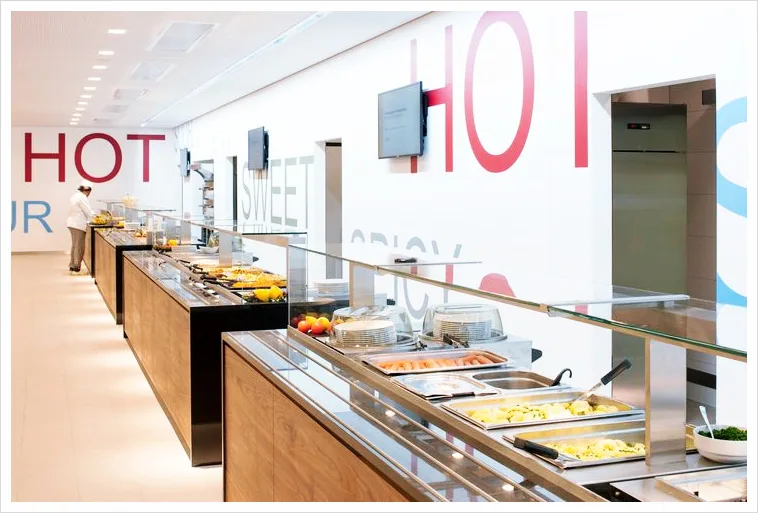
In the professional world, lunch is more than just a meal; it's a crucial break for recharging. For many, the practical options boil down to using the company cafeteria or bringing a homemade lunch. The cafeteria's main draw is its affordability and the provision of a balanced meal. Despite the time spent walking to and from the cafeteria, and potentially waiting in line, it offers undeniable convenience. However, the travel time can add up, and sometimes, even lunch breaks can turn into work-related discussions, hindering true relaxation. This can be a significant drawback for those seeking genuine downtime.
Packing Your Lunch: How to Secure Personal Time and Self-Improvement Opportunities
On the other hand, bringing a packed lunch allows me to fully enjoy my own time. The ability to dedicate even a short period to self-improvement, like studying English during lunch, is a major perk. This makes it an excellent alternative for individuals looking to maximize their midday break productively. However, packing a lunch isn't without its challenges. It requires significant time and effort the night before to plan and prepare the meal. Furthermore, coming up with new menu ideas daily can be repetitive. These preparation burdens and the potential lack of variety are important factors to consider when opting for a packed lunch.
Tips for Eating Affordably at the Company Cafeteria
The company cafeteria's primary advantage is offering a complete meal at a relatively low cost. Compared to eating at external restaurants, it's a much more budget-friendly option for your daily meal. This allows you to save money on lunch expenses while still enjoying a nutritionally balanced meal. For instance, when comparing monthly costs, the savings compared to dining out can be substantial. However, there are points to consider when using the cafeteria. One is the travel time to and from the cafeteria. Even a short distance can take over 10 minutes round trip, which is not insignificant when considering your entire lunch break. Additionally, if you eat with colleagues, conversations might steer back to work, potentially disrupting your relaxation. Therefore, when using the cafeteria, it's advisable to be mindful of time management and the topics of conversation with colleagues.
Realistic Alternatives for Saving Time and Energy When Packing Lunch
Preparing your own lunch can indeed be time-consuming and energy-draining. However, several practical strategies can alleviate this burden. Firstly, plan your meals for the week and prep your ingredients over the weekend or the night before. This significantly cuts down on daily preparation time. Secondly, opt for simple-to-prepare meals. Choosing dishes like salads, sandwiches, or fried rice, which have short cooking times or hold up well, is recommended. Thirdly, making larger batches and portioning them for freezing is also an effective method. This allows for easy lunch packing even on busy days. By implementing these preparation strategies, you can reduce the hassle of packing lunch and make better use of your free time.
For more details, check the original source below.