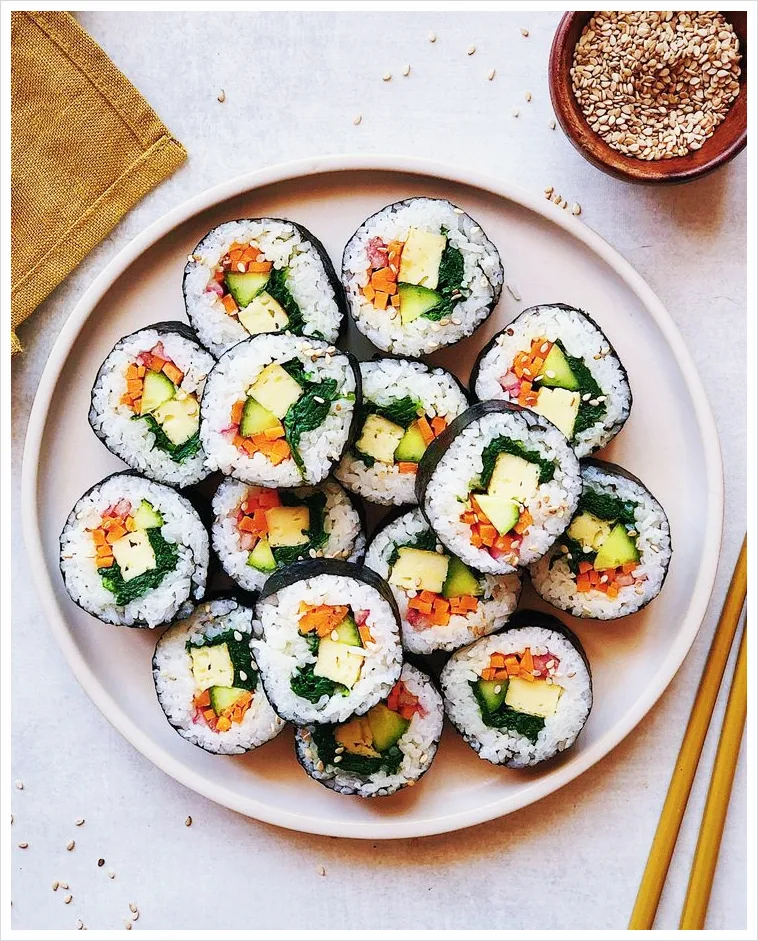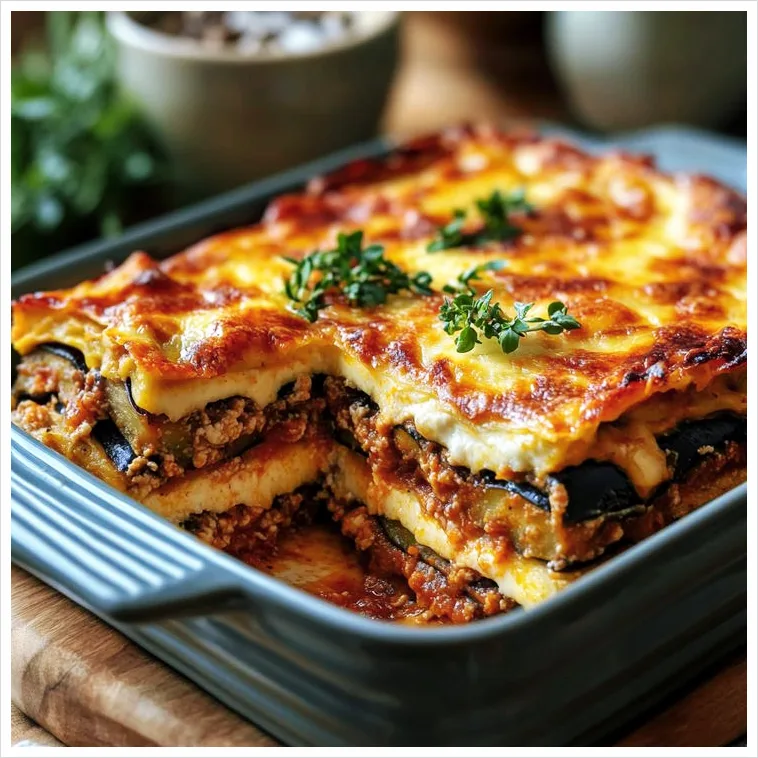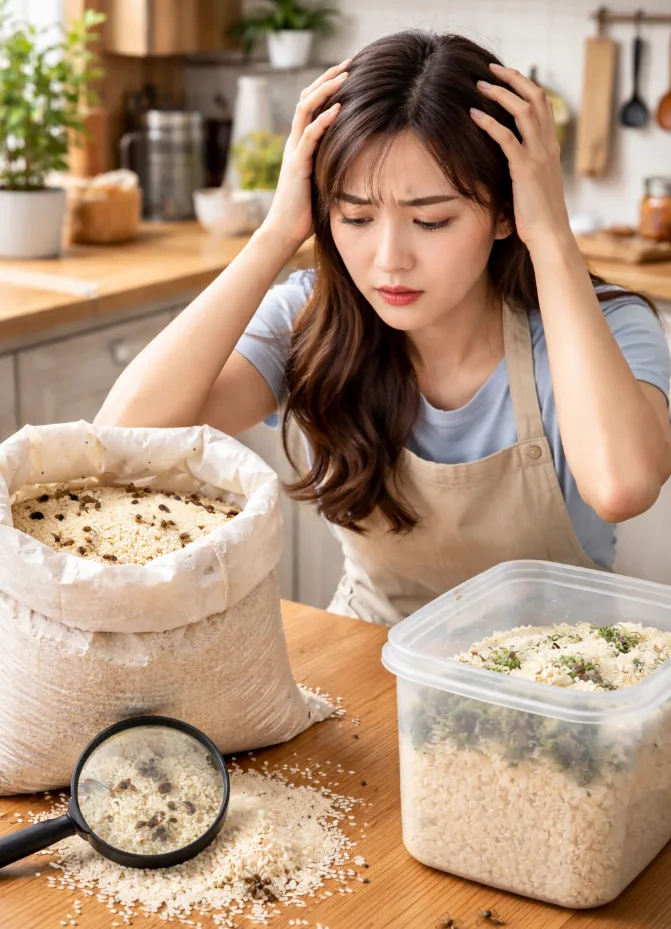
Upcycled food, made from imperfect produce or leftover ingredients, offers a smart way to enjoy delicious meals while benefiting the environment. These foods are rich in fiber and protein, and significantly reduce food waste, making them a conscious choice for consumers in 2026.
What is Upcycled Food Made From Imperfect Produce?
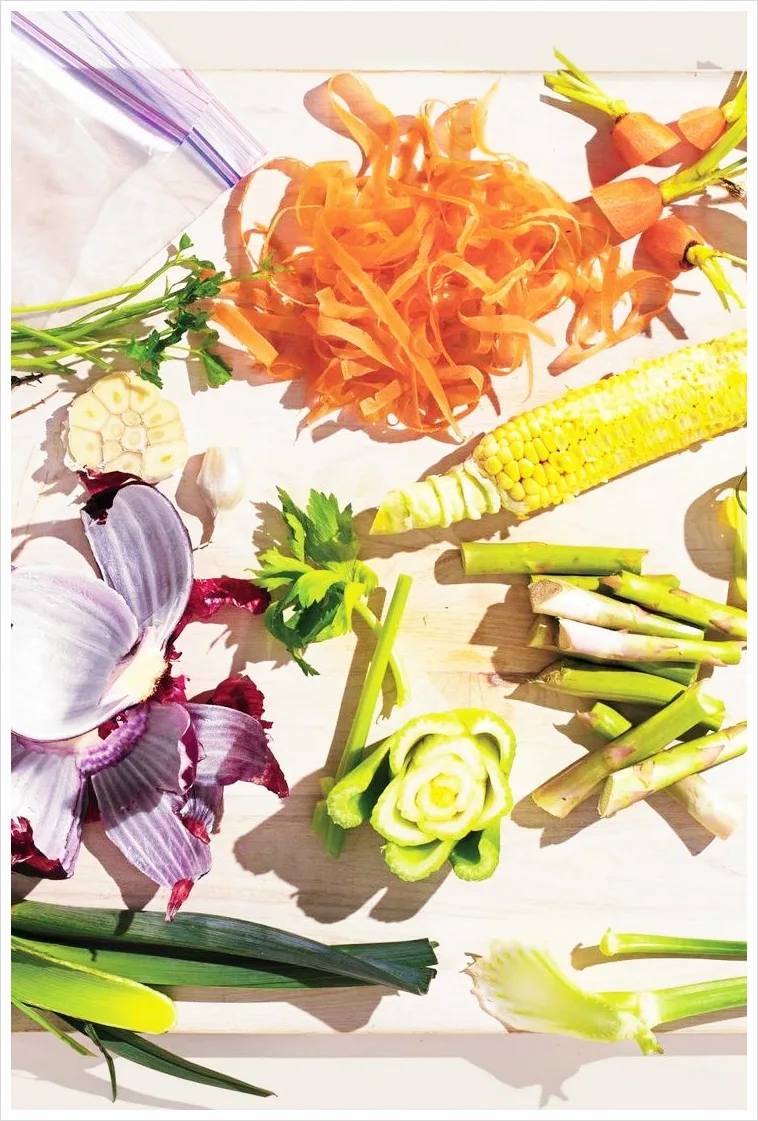
Upcycled food refers to products created by repurposing ingredients that would otherwise be discarded or are considered aesthetically imperfect, often called 'ugly produce.' Common examples include bread, energy bars, and granola, which utilize ingredients like wheat bran, vegetable peels, seeds, and less-than-perfect fruits and vegetables. It's estimated that about one-third of all produce grown is wasted or goes unused due to cosmetic reasons. Upcycled foods play a crucial role in combating this resource waste. From personal experience, products made with 'ugly' produce are surprisingly delicious and nutritionally sound, challenging common misconceptions.
What Are the Nutritional and Environmental Benefits of Upcycled Food?
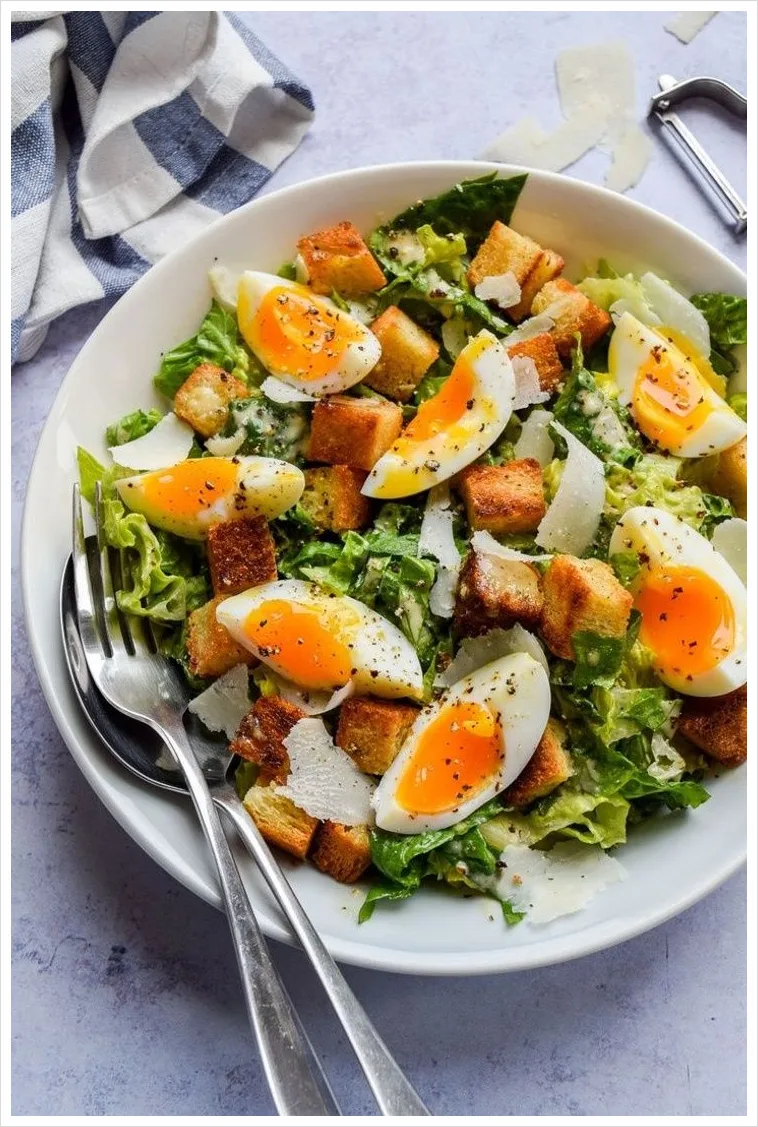
Contrary to popular belief, upcycled foods are not nutritionally inferior or bland. The upcycling process typically preserves most of the original nutritional value, often resulting in products high in dietary fiber and protein. For instance, fruit peels and vegetable scraps are packed with vitamins and minerals. Beyond nutrition, consuming upcycled foods directly contributes to environmental protection by reducing food waste. This diversion from landfills lessens the burden on waste management systems and decreases greenhouse gas emissions associated with food production and disposal. This aligns perfectly with the growing global demand for sustainable consumption practices.
What Should You Consider When Choosing Upcycled Food Products?
When selecting upcycled foods, several factors are worth considering. First, check the freshness of the raw ingredients and the hygiene standards of the processing facility. Even when using surplus ingredients, ensuring they are handled safely and hygienically is paramount. Second, carefully review the nutrition facts label. Look for the actual amounts of beneficial nutrients like fiber and protein. Third, researching the brand's commitment to sustainability and their transparency about their upcycling process can be insightful. As a regular consumer of upcycled products, choosing reputable brands significantly enhances satisfaction and trust.
What Are Common Misconceptions and Precautions for Upcycled Foods?
The most prevalent myths surrounding upcycled foods are that they are 'tasteless' or 'low in nutrition.' However, as discussed, these perceptions are often based on outdated or inaccurate information. Modern processing techniques and creative culinary applications have resulted in many upcycled products that excel in both flavor and nutritional content. Nevertheless, it's wise to examine ingredient lists for added sugars or artificial additives, as with any processed food. While upcycled foods aim to be accessible, not all products are necessarily inexpensive, so comparing value for money is advisable. Additionally, individuals with specific dietary restrictions or allergies should always check the ingredient list for potential allergens.
For more in-depth information on upcycled foods made from imperfect produce and leftover ingredients, explore the original source below.