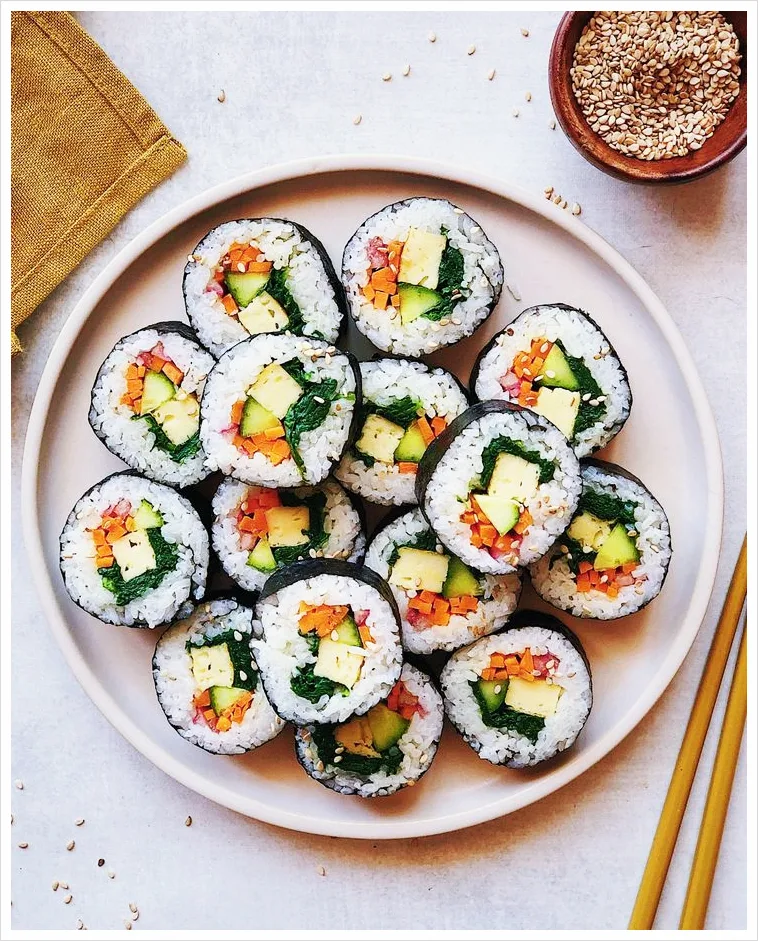
The EBS 'English for Your Life' kimbap recipe offers a secret weapon to win over picky eaters, especially children who dislike carrots. This simple vegetable kimbap is a game-changer for encouraging healthier eating habits, making it a standout in Korean recipes for families.
Why Do Kids Love This EBS Kimbap Recipe?
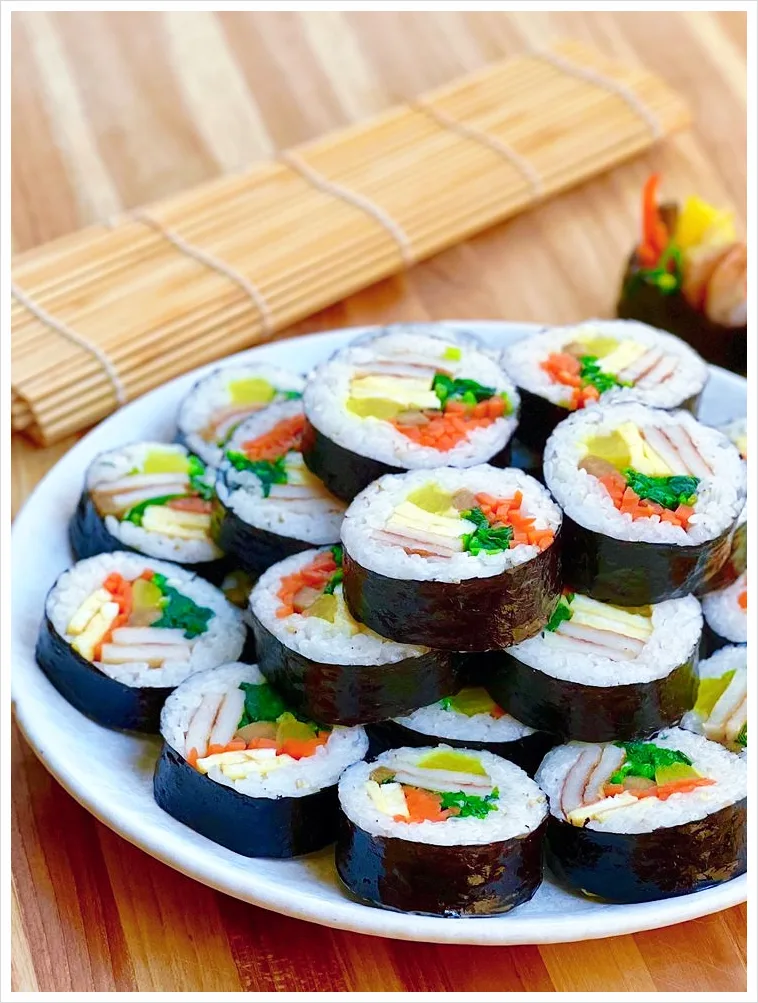
This kimbap recipe from EBS's 'English for Your Life' blends nostalgic childhood memories with modern family life. The author recalls kimbap as a special treat, often eaten despite skipping breakfast during school days. Now, as a parent, the challenge is keeping their own children interested in kimbap, as many specialized kimbap shops and diverse options exist today. However, a breakthrough came this year with a new recipe that has rekindled the kids' love for homemade kimbap. This recipe, featuring simple ingredients like carrots, eggs, and pickled radish (danmuji), is particularly effective at making even carrot-averse children enjoy them. Seeing their kids happily eat homemade kimbap brings immense joy, highlighting its role in fostering healthy eating habits.
What Are the Ingredients and Benefits of the New Kimbap Recipe?
Related Articles
The new kimbap recipe discovered this year requires just a few key ingredients: carrots, eggs, and pickled radish (danmuji), making it incredibly accessible. Its primary advantage is significantly increasing carrot consumption. Children who previously avoided carrots now enjoy them within this kimbap, bringing satisfaction to the cook. This goes beyond just making kimbap; it contributes to developing healthier eating habits for kids. The convenience of preparing a nutritious meal quickly, encapsulated by the phrase 'grab a bite,' makes this recipe particularly appealing for busy families.
What English Phrases for Kimbap Are Taught in EBS 'English for Your Life'?
EBS's 'English for Your Life' program introduces several useful English expressions related to kimbap. First, to express fondness or a particular liking for something, you can use 'have a soft spot for.' For example, 'I have always had a soft spot for kimbap' means you've consistently loved it. Second, 'skip breakfast' describes the act of not eating breakfast, as in, 'I often skipped breakfast when I was a student.' Third, 'grab a bite' means to eat something quickly or have a light meal. This phrase fits situations like, 'I always grabbed a bite if my mom made kimbap,' referring to having a quick meal when kimbap was available. Finally, a significant advantage can be described as 'a big plus.' The benefit of eating more carrots can be stated as, 'It’s a great way to eat more carrots, which is a big plus.' Learning these phrases allows for richer conversations about kimbap in English.
What Are Key Tips for Making Delicious Kimbap?
To make delicious and visually appealing kimbap, keep a few key tips in mind. First, managing the rice portion is crucial. Since kimbap is packed with fillings, using too much rice can cause it to burst when rolled. Aim for a thin, even layer of rice. Second, ensure all ingredients are well-drained. Excess moisture from vegetables or eggs can make the kimbap soggy. Patting them dry is essential. Third, rolling the kimbap tightly using a bamboo mat (or a clean kitchen towel) is vital for maintaining its shape and ensuring clean slices. You can also use phrases like 'Now that I am a homemaker' to describe your current role while cooking. Adapting ingredients to suit children's tastes, using the phrase 'tailor ~ to suit…', can open up 'a whole new world of kimbap,' making the cooking process enjoyable and customizable to individual preferences.
For more details, check the original source below.