Planning a trip to Mongolia in 2026 offers an unparalleled opportunity to experience vast steppes, mystical deserts, and the nomadic way of life. Sandwiched between Russia and China, Mongolia boasts the lowest population density globally, promising an unforgettable adventure amidst its endless natural landscapes.
What to Expect on Your Mongolia Trip
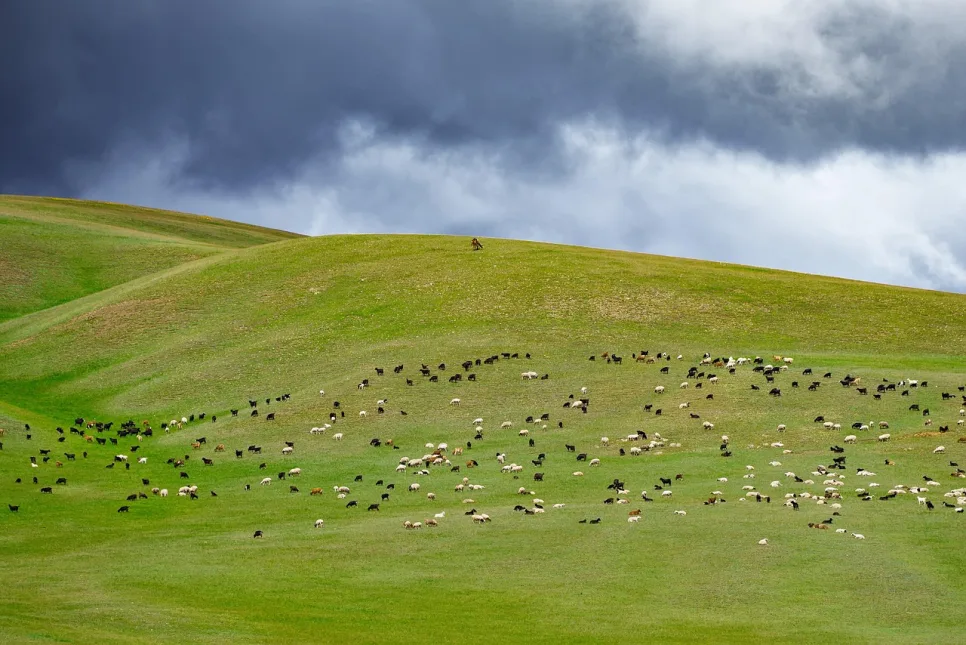
Mongolia offers a unique charm distinct from the tropical beaches or historic European cities often featured in travel guides. It's a destination that prioritizes expansive, serene vistas and a lifestyle deeply connected to nature over bustling urbanity. Historically, it's renowned as the birthplace of Genghis Khan's vast empire in the 13th century, and fascinatingly, many Mongolians continue to practice nomadic traditions today. Witnessing their lives intertwined with animals like horses, sheep, goats, camels, and yaks provides a profound insight into Mongolia's unique culture and its deep bond with the environment.
Mongolia's Diverse Geography and Climate
The defining feature of Mongolia is its immense grasslands, which have served as the cradle of nomadic life for centuries. Today, many Mongolians still follow seasonal migrations with their livestock, living in traditional portable dwellings known as 'Gers'. To the south lies the Gobi Desert, one of the world's largest, famous for its dramatic sand dunes, rocky cliffs, and rare wildlife. Conversely, the northern and western regions boast lush forests, pristine lakes, and snow-capped mountains, creating a varied natural tapestry. Due to its high altitude and open terrain, Mongolia experiences a continental climate characterized by long, cold winters and short, warm summers.
Historical Significance and Cultural Icons of Mongolia
Mongolia is most famously recognized as the homeland of Genghis Khan, the legendary leader who united the Mongol tribes in the 13th century and forged one of history's largest empires. Under his rule, the Mongol Empire stretched across Asia and into Europe, fostering trade and cultural exchange between distant regions. Genghis Khan remains a pivotal national figure in Mongolia, symbolizing strength, unity, and enduring heritage. Mongolian culture is deeply shaped by this historical legacy and its profound harmony with nature. The 'Ger' (traditional dwelling) and the nomadic lifestyle are central pillars of this unique cultural identity.
Essential Travel Tips for Visiting Mongolia
When traveling to Mongolia, be prepared for significant climate fluctuations and the logistical challenges of its vast size. Even during summer, nighttime temperatures can drop considerably, so packing layers of warm clothing is essential. Given Mongolia's low population density and underdeveloped public transport outside major cities, hiring a vehicle and driver is the standard for exploring beyond urban centers. It's crucial to allow ample time for your itinerary, accounting for unpredictable road conditions or potential vehicle issues. Respecting local customs and traditions is paramount; always seek permission before entering nomadic living spaces and observe quietly. Bringing personal hygiene items and a basic first-aid kit is also highly recommended for a smoother journey.
For more details, check the original source below.