
Iceland, an island nation in the North Atlantic, is famously known as the 'Land of Fire and Ice' due to its unique landscape where volcanoes and glaciers coexist. As of 2026, it stands as a premier destination for travelers seeking to experience mystical auroras, majestic waterfalls, and geysers—a true testament to nature's wonders.
Why is Iceland Called the 'Land of Fire and Ice'?
Iceland's moniker, 'Land of Fire and Ice,' stems from its extraordinary geological characteristics. Situated on the boundary between the North American and Eurasian tectonic plates, the country experiences intense geothermal activity, evident in its numerous volcanoes, geysers, and hot springs. Iceland is home to over 130 volcanoes, many of which are active. This geothermal energy releases immense heat from the earth's core, yet paradoxically, vast glaciers cover a significant portion of the land, creating a dramatic contrast. Europe's largest glacier, Vatnajökull, along with countless other glaciers and glacial lagoons, are other iconic features of Iceland. The interplay between volcanic heat and glacial cold creates breathtaking vistas that truly resemble fire and ice meeting.
What to Expect from Iceland's Capital, Reykjavik?
Related Articles
Reykjavik, Iceland's capital and largest city, is the northernmost capital in the world. With a population of approximately 370,000, it offers a unique charm despite being the capital of one of Europe's least populated countries. Reykjavik features a vibrant mix of colorful buildings and modern architecture, fostering an atmosphere of lively arts, culture, and a commitment to sustainable living. You'll find cozy cafes, diverse restaurants, and unique boutiques showcasing Nordic minimalism and creativity. Reykjavik also serves as the gateway to Iceland's main tourist attractions, acting as the starting point for the Golden Circle tour and an ideal base for exploring the stunning coastline and surrounding natural landscapes. The city itself is captivating, but its role as a launching pad for Iceland's incredible natural wonders is paramount.
Must-See Natural Attractions for Your Iceland Trip
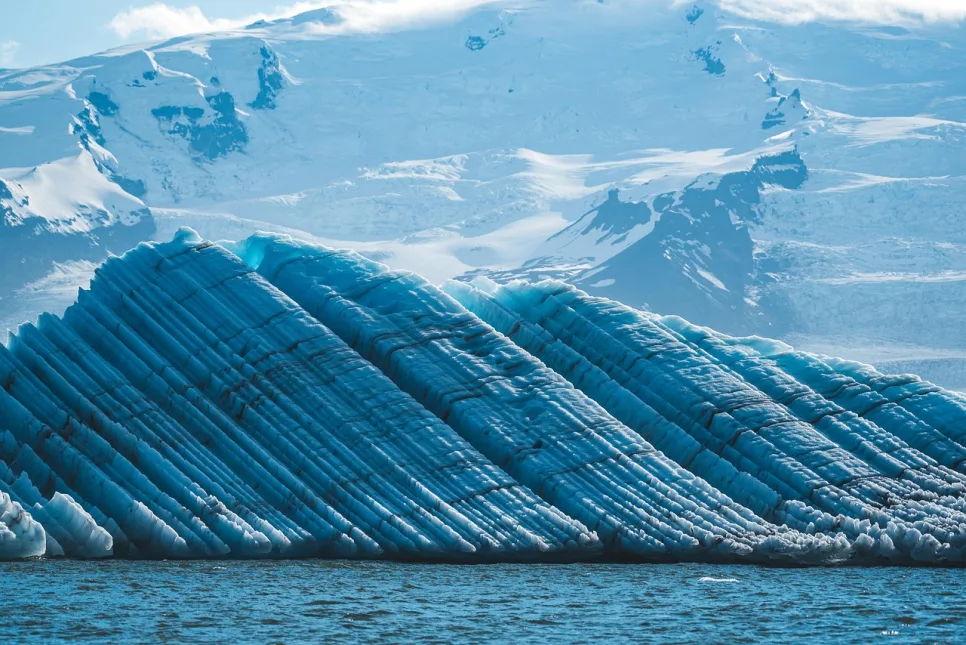
Iceland is a treasure trove of natural wonders. The most iconic route is the 'Golden Circle,' which includes the magnificent Gullfoss waterfall, the Geysir geothermal area with its erupting hot springs, and Þingvellir National Park, where you can witness the rift between the North American and Eurasian tectonic plates. Especially during winter (September to April), the chance to see the mystical Aurora Borealis dancing in the night sky makes it a dream destination for travelers worldwide. Other unmissable spots include the black sand beach of Reynisfjara on the south coast and the Jökulsárlón glacier lagoon, where you can experience immense glaciers up close. Iceland's nature is unpredictable, but it consistently offers overwhelmingly beautiful experiences.
Essential Iceland Travel Preparations: What You Need to Know!
When planning your Iceland trip, keep a few key points in mind. Firstly, the weather is extremely variable. You can experience multiple seasons in a single day, so layering clothing is crucial. A waterproof and windproof outer jacket is essential, along with thermal base layers and insulating mid-layers. While Iceland is generally safe, travel insurance is highly recommended to cover any unforeseen circumstances. Budgeting is also important, as Iceland can be an expensive destination; consider booking accommodations and tours in advance, especially during peak seasons. The primary mode of transport for exploring beyond Reykjavik is a rental car, but be aware of road conditions, especially in winter. Finally, always check the weather forecast and road conditions daily before setting out.