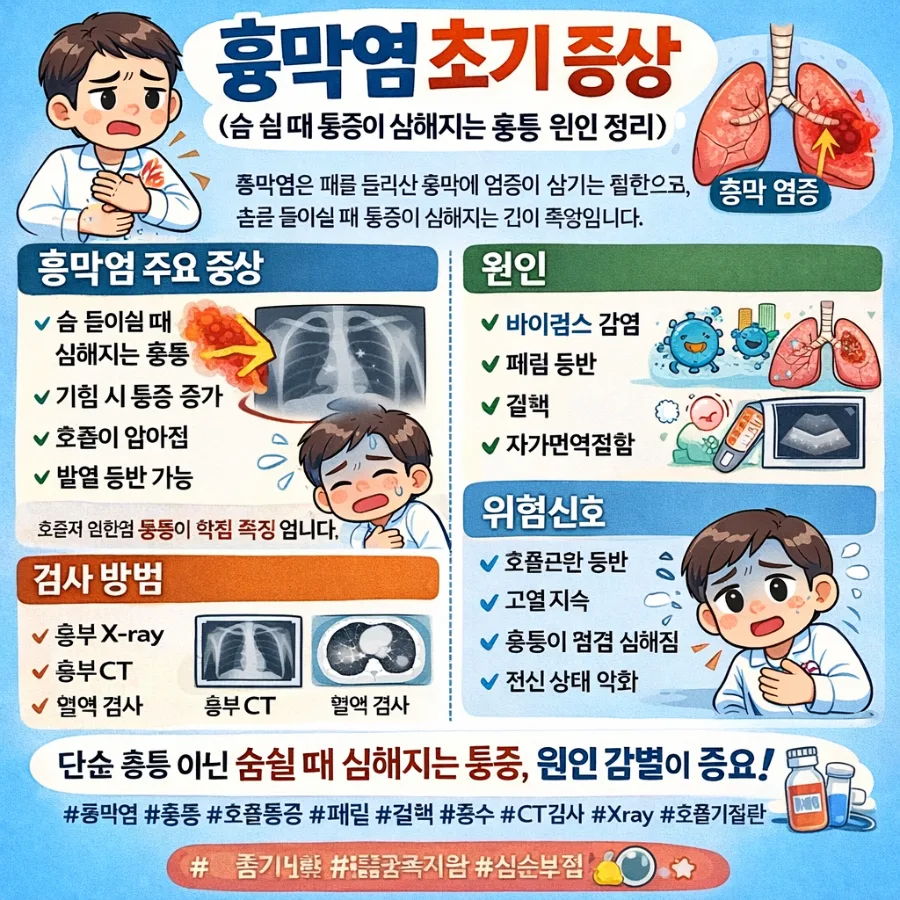
In 2026, the primary symptom of pleurisy is sharp chest pain that intensifies when you breathe in. While it can be mistaken for general chest discomfort, the key indicator is pain directly related to respiration, requiring careful attention.
Pleurisy Symptoms: Why Does Chest Pain Occur When Breathing?
Pleurisy, an inflammation of the pleura (the thin membranes surrounding the lungs), causes sharp pain as these membranes rub against each other during breathing or coughing. The pain's intensity can vary but typically worsens with deeper breaths. Sometimes, it's accompanied by fever or chills, and you might notice shallower breathing. Unlike simple muscle aches or indigestion, this pain is distinctly linked to your respiratory actions, making it a crucial signal to consider pleurisy.
What Are the Main Causes and Warning Signs of Pleurisy?
Pleurisy can stem from various causes. The most common culprits include respiratory infections like viral infections and pneumonia, with tuberculosis also being a significant factor. Autoimmune diseases such as rheumatoid arthritis, tumors, and physical trauma can also trigger pleurisy. When pleurisy is suspected, watch out for critical warning signs: sudden shortness of breath, persistent fever above 100.4°F (38°C), worsening chest pain, or a rapid decline in your overall condition. If any of these emerge, seek immediate medical attention at a hospital.
What Are the Diagnostic and Treatment Methods for Pleurisy?
Diagnosing pleurisy typically involves imaging tests like chest X-rays or CT scans to assess inflammation in the lungs and pleura. Blood tests can help identify inflammatory markers and potential infection sources. An ultrasound may be used to detect fluid buildup in the pleural space (pleural effusion). Treatment depends on the diagnosis. Anti-inflammatory pain relievers are often prescribed to manage discomfort. If a bacterial infection is the cause, antibiotics are necessary. Addressing the underlying condition, such as pneumonia or tuberculosis, is crucial. In cases of significant pleural effusion causing breathing difficulties, a procedure called thoracentesis may be performed to drain the excess fluid.
Can Medical Insurance Cover Pleurisy-Related Tests and Treatments?
Many individuals wonder about insurance coverage for pleurisy. Generally, diagnostic tests like chest X-rays, CT scans, blood work, and ultrasounds are covered by medical insurance if deemed medically necessary. Treatment for the underlying causes of pleurisy, such as pneumonia or tuberculosis, is also typically covered. Hospitalization and procedures like pleural effusion drainage may also fall under your insurance plan's benefits. However, routine health check-ups or tests not directly related to diagnosing or treating pleurisy might be excluded. It's essential to review your specific insurance policy details or contact your provider to understand your coverage limitations and benefits. Coverage can vary based on your plan and when you enrolled.
For more details, check the original source below.