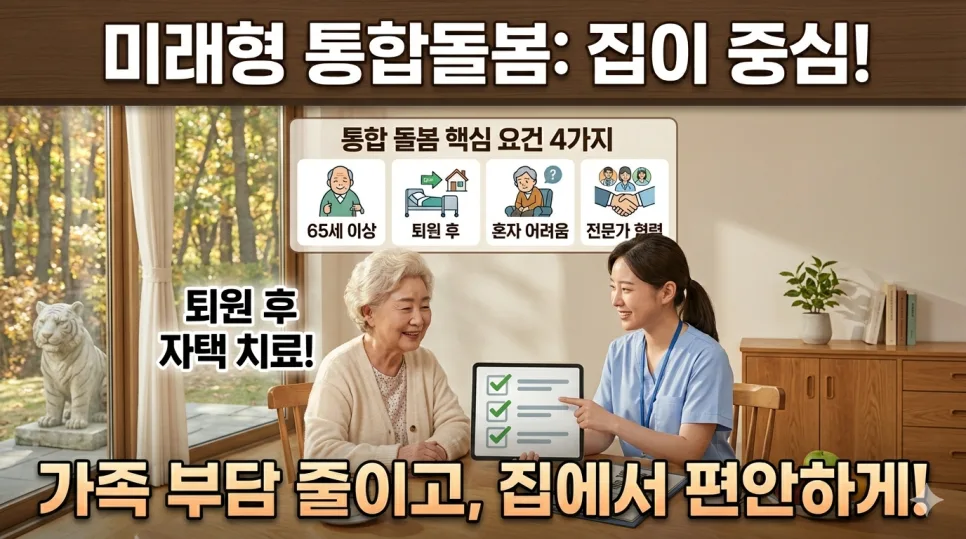
Starting March 27, 2026, South Korea is rolling out comprehensive home-based care services, offering integrated medical, nursing, and daily living support directly in your home. This initiative aims to significantly reduce the burden on families by providing essential care within a familiar environment, making it easier for individuals to receive support without needing to relocate to specialized facilities.
What is Integrated Home Care and Why Is It Important in Korean Wellness?
The Integrated Home Care service, launching nationwide on March 27, 2026, under the new 'Integrated Care Support Act,' is a significant advancement in Korean wellness. Previously, accessing medical treatment, nursing care, and daily living assistance required separate applications and coordination, often leading to fragmented support and increased stress for families. This new system streamlines the process: a single application to your local administrative welfare center allows for a comprehensive assessment by dedicated professionals. They then tailor a package of services, which can include in-home medical care, visiting rehabilitation therapy, and assistance with daily tasks like meal preparation and cleaning. This holistic approach ensures patients can maintain stability and comfort in their own homes, a crucial aspect of Korean traditional medicine's focus on holistic well-being.
How Does Integrated Home Care Reduce Family Burden?
The primary benefit of this integrated system is the substantial reduction in the burden placed on family caregivers. By providing professional medical and nursing support at home, it alleviates the need for constant family supervision and intervention, especially for those recovering from surgery or managing chronic conditions. For instance, a family member no longer needs to take extensive time off work for hospital visits or daily care tasks. The service also helps prevent 'care gaps' – periods where a patient might be discharged from a hospital but not yet ready for full independence, or when family caregivers are temporarily unavailable. Furthermore, by ensuring consistent, professional care, the system aims to reduce the likelihood of readmission to hospitals, contributing to both patient recovery and long-term cost savings for families. This proactive approach is a cornerstone of modern Korean health initiatives.
What Are the Key Benefits and Services Offered?
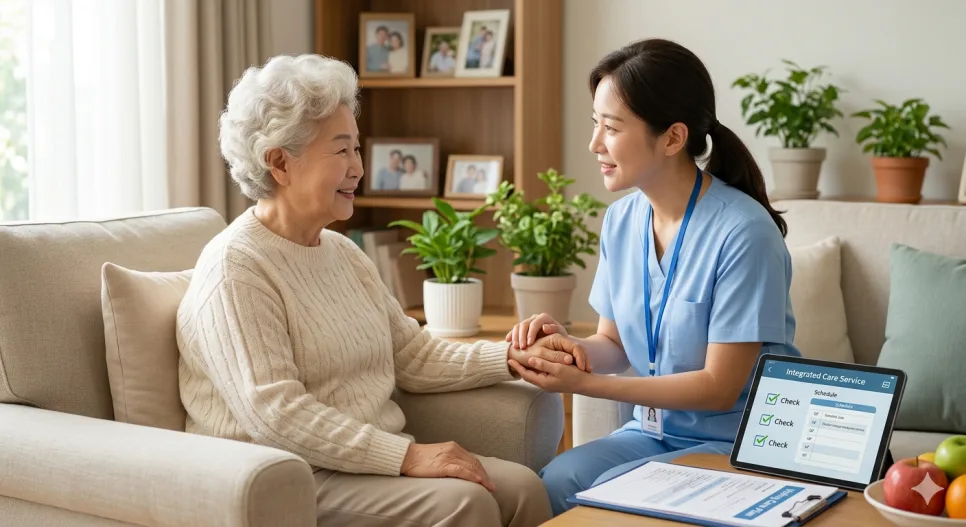
The integrated home care service offers a wide array of benefits designed to improve the quality of life for recipients and their families. Key advantages include minimizing care gaps, reducing the risk of hospital readmissions, and decreasing the overall financial and emotional strain on caregivers. Services are highly personalized and can encompass medical support such as post-discharge care, wound management, and medication management administered by visiting nurses. Beyond medical needs, the service includes essential daily living support like meal preparation, housekeeping, and assistance with personal hygiene. For individuals with mobility issues or those undergoing rehabilitation, visiting physical and occupational therapy sessions are also part of the comprehensive package. The system connects users to these diverse services through a single point of contact, ensuring a seamless and efficient care experience.
Who is Eligible for Integrated Home Care Services?
The integrated home care service is primarily designed for individuals aged 65 and older who experience difficulties with daily living activities or require ongoing management after hospital discharge. This includes seniors who may be living alone or whose primary caregivers are unable to provide the necessary level of support. The program also extends to individuals with disabilities who need continuous assistance to maintain their independence. Eligibility is determined through a comprehensive assessment conducted by the administrative welfare center, which evaluates the applicant's health status, functional abilities, and living situation to ensure the most appropriate and effective care plan is established. This ensures that resources are directed to those who will benefit most from the Korean diet and lifestyle-focused approach to health.
What Should You Know Before Applying for Home Care Services?
While the integrated home care service is highly beneficial, it's important to approach the application and utilization process with awareness. First, thoroughly assess your or your family member's specific needs before applying; understanding what services are most critical will help in communicating effectively with case managers. Second, gather necessary documentation beforehand, as having proof of medical conditions or functional limitations can expedite the application process at the administrative welfare center. Third, engage actively in the service planning phase; clearly communicate your expectations and preferences to the assigned professional to ensure the care plan truly meets your requirements. Finally, remember that this service is part of a broader Korean health philosophy focused on well-being and prevention. While this service is informational, always consult with a healthcare professional for personalized medical advice and treatment plans.
For more details on integrated home care, check the original source below.