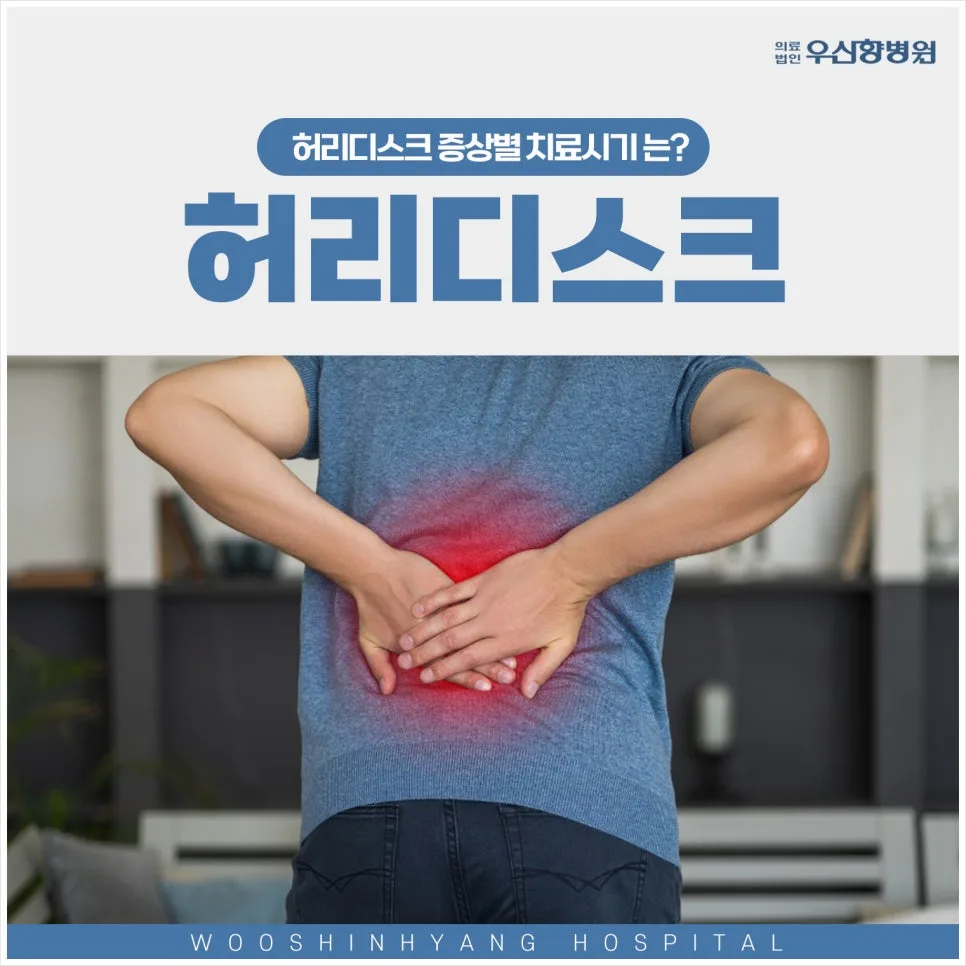
Springtime outdoor activities can trigger back pain, which might be simple muscle strain or an early sign of a herniated disc. If pain persists for over two weeks, or if you experience leg numbness or weakness, seeking professional medical advice is crucial. This guide helps you differentiate between the two and understand preventative measures for spinal health in 2026.
Why Does Back Pain Worsen After Spring Outdoor Activities?
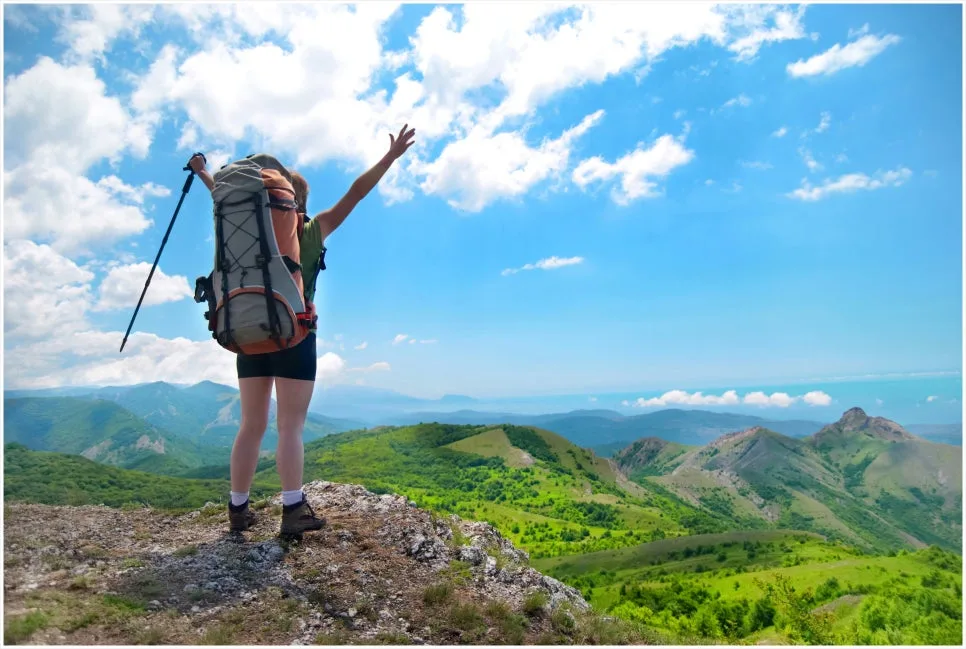
Many people experience back pain after resuming outdoor activities in spring, often due to weakened back muscles from winter inactivity. When these muscles, like the erector spinae and iliopsoas, are suddenly subjected to increased impact and load, their ability to absorb shock diminishes. This can lead to increased pressure on the intervertebral discs, potentially causing micro-tears or the nucleus pulposus to bulge and irritate nearby nerves. It's common to see an increase in patients seeking treatment for back pain during the spring activity season. Disc damage progresses through stages: bulging, protrusion, extrusion, and sequestration. The initial stages (bulging and protrusion) can often be managed with conservative treatments, but more advanced stages may require longer recovery periods or even surgery.
How to Differentiate Simple Muscle Strain from Early Herniated Disc Symptoms
Related Articles
To understand the cause of your back pain, consider these self-assessment tips. Simple muscle strains typically localize to the central lower back or muscles on either side, often improving with movement and showing little change with coughing or sneezing. These usually resolve within 2-3 days of rest. In contrast, early herniated disc symptoms may involve pain radiating from the buttocks down the leg, or increased discomfort when sitting. You might also experience morning stiffness lasting over 30 minutes or reduced sensation or weakness in your feet or toes. The Straight Leg Raise (SLR) test, where lifting a straight leg between 30-70 degrees causes radiating pain down the thigh or calf, can indicate sciatic nerve compression. However, this is for reference only; if leg numbness persists for over two weeks, an MRI is recommended for an accurate diagnosis.
When Should You Seek Immediate Medical Attention for Suspected Herniated Disc?
Certain symptoms warrant immediate medical attention from a healthcare professional. These include sudden difficulty controlling your bladder or bowels, which can signal severe nerve damage. Bilateral leg numbness or weakness, persistent pain lasting longer than two weeks despite rest, or pain that intensifies at night are also critical indicators. These symptoms suggest potential neurological compromise and require prompt diagnosis and treatment. Hospitals typically start with X-rays to assess bone structure and may order an MRI for detailed imaging of disc damage and nerve compression. Fortunately, the majority of herniated disc cases (over 85%) can be effectively managed with conservative treatments like physical therapy, medication, and injections, with surgery being reserved for a small percentage of patients.
What Lifestyle Habits Can Prevent Herniated Discs During Spring Outdoor Activities?
Adopting specific habits can help you enjoy spring outdoor activities while protecting your spinal health. First, always warm up adequately before starting. Engaging in strenuous activity with cold, stiff muscles increases the risk of disc injury due to poor shock absorption. Spend 5-10 minutes walking or stretching before hiking or exercising. Second, reduce your stride length on downhill slopes and land with your entire foot to distribute impact. Descending puts significantly more pressure on your discs than ascending. Shortening your stride by half and using trekking poles can greatly minimize the risk of disc damage. Third, maintain proper posture when lifting heavy objects or wearing a backpack. Twisting your back or lifting with one side can strain your discs. It's safer to sit down when putting on or taking off a backpack, or to lift with both hands to maintain balance.
For more details, check the original source below.