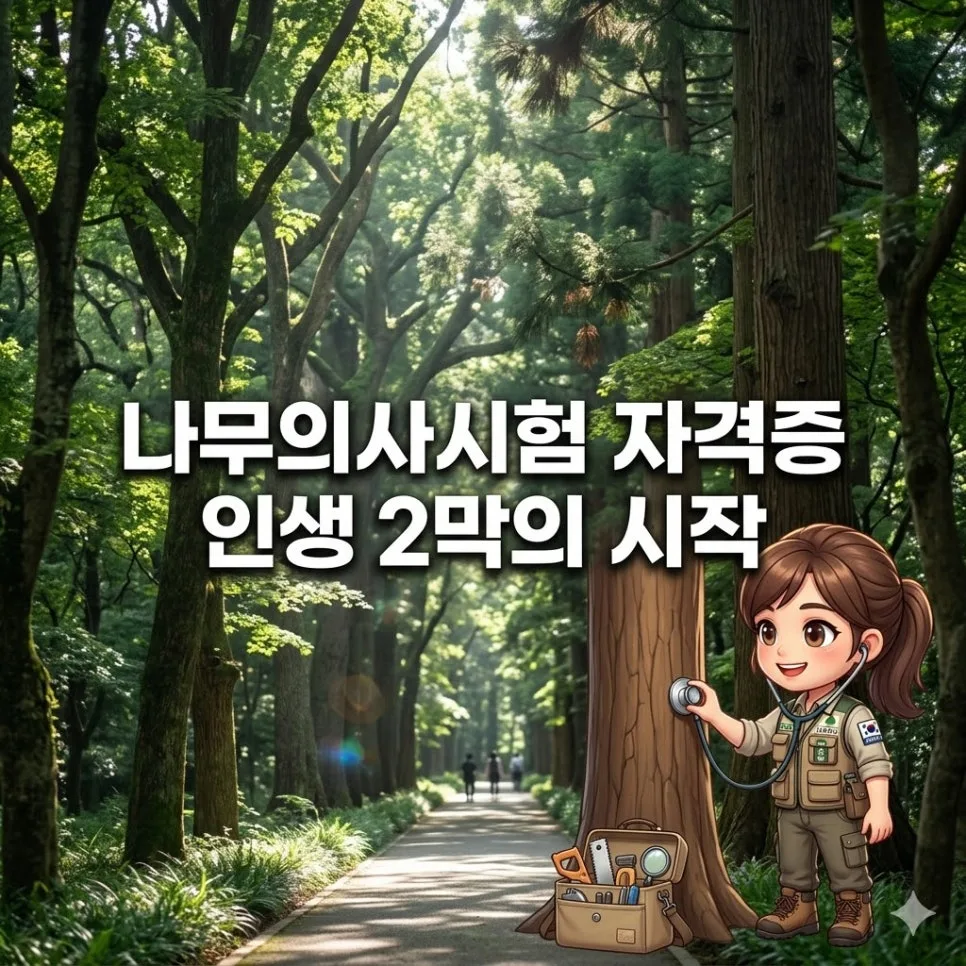
Considering a second career after retirement or a career change? The Korean Tree Doctor license, overseen by the Korea Forest Service, offers exclusive market rights, a career without a retirement age, and significant earning potential as a tree health diagnosis and treatment expert. This guide provides essential information for your 2026 professional transition.
Why Pursue the Korean Tree Doctor License in 2026?

The Korean Tree Doctor license is gaining significant traction among those planning for retirement or seeking a new professional path. Previously, anyone could perform pest control, but a recent law change mandates that only licensed Tree Doctors can diagnose, prescribe treatment, and administer medication to trees. This regulatory shift has fueled a surge in demand for the Tree Doctor exam, revitalizing the job market. Currently, the demand for licensed professionals far exceeds the supply, giving license holders a distinct advantage. This presents a powerful incentive for individuals looking to redefine their career trajectory.
How Does the Legal Mandate for Employing Tree Doctors Secure Market Exclusivity?
The primary allure of the Tree Doctor license lies in its legal exclusivity. Under the revised Forest Protection Act, tree care in residential areas, including apartment complexes and parks, must be conducted through certified Tree Hospitals, requiring the mandatory presence of a licensed Tree Doctor. This legal obligation dramatically increases the value of a license holder. Since businesses cannot operate without a licensed professional, employers are actively seeking qualified individuals, giving job seekers significant leverage. This creates a highly favorable environment for those seeking employment, especially as unlicensed operators are phased out, leading to a more regulated market.
What is the Long-Term Career Value of the Tree Doctor License as a Profession Without Age Limits?
As concerns about post-retirement security grow, the applicant pool for the Tree Doctor exam is diversifying, attracting many individuals who have retired from public service or corporate jobs. They are drawn to this profession because their expertise is recognized regardless of age. Experienced professionals can continue working well into their 70s and beyond, with their value increasing as their knowledge and skills mature. Unlike manual labor, skilled professions gain prestige over time. Furthermore, licensed Tree Doctors have the option to open their own Tree Hospital, transitioning from employee to business owner. This potential for entrepreneurship is a significant draw for those planning their second act, offering a viable lifelong career path.
What is the Correlation Between the Expanding Tree Care Market and Rising Tree Doctor Salaries?
With the increasing frequency of climate change impacts and sudden pest outbreaks, the cost of managing trees in residential areas is steadily rising. Municipalities and apartment management bodies are increasingly prioritizing licensed Tree Doctors, leading to improved compensation packages. While initial salaries might have been modest, the legalization of the profession has established competitive compensation, with many professionals now earning salaries comparable to those in mid-level corporate positions. The inclusion of technical allowances and field activity bonuses further boosts actual income. The Tree Doctor exam's difficulty ensures a continued shortage of qualified professionals. In regions facing a shortage, competitive salary offers are common to attract talent. The growing demand for urban green space management and the high fees for expert diagnosis are driving salary increases.
What are the Potential Career Paths After Obtaining a Tree Doctor License?
Obtaining a Tree Doctor license opens doors to a wide array of career opportunities beyond just working at a Tree Hospital. Graduates can pursue research roles in tree protection organizations, serve as technical consultants for landscaping companies, or act as advisors for pesticide and fertilizer manufacturers. Many also find opportunities as inspectors for public projects, such as urban tree management initiatives run by local governments. The broad applicability of the knowledge gained, covering areas like agricultural chemistry and pathology, allows for synergistic combinations with previous experience or personal ventures. This extensive range of professional options is a significant practical benefit of acquiring this license. Depending on individual circumstances, there's potential for expansion into entrepreneurship, consulting, and various other fields.
English crawl path
Next English reads from this pilot cluster
Continue through the category hub, latest English stories, and related posts so this translated article is not an isolated URL.
Tags
💬Frequently Asked Questions
What should I check first in Korean Tree Doctor License 2026: Your Guide to a Second Career?
Does this Health & Wellness article link back to the Korean source?
Where can I find similar English stories?
English discovery path
Explore more English K-culture stories
Keep browsing the indexed English pilot cluster so Google and readers can move between this story, the category hub, and fresh discovery pages.
Original Source
Read the Korean original