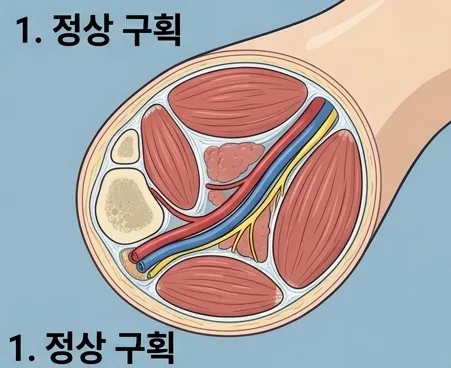
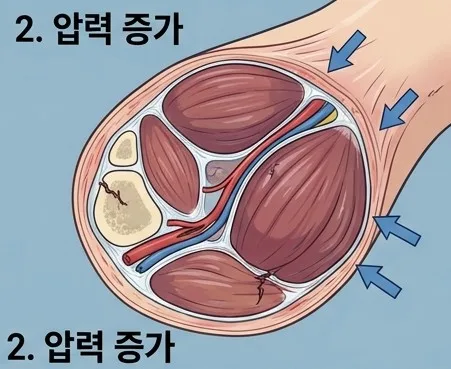
Acute compartment syndrome can lead to muscle death within 4-6 hours of blood flow blockage, causing permanent damage if not treated within 12 hours. This critical condition requires immediate medical attention.
What Is Acute Compartment Syndrome and Why Does It Happen?
Acute compartment syndrome is a medical emergency where pressure within the muscle compartments of your arms or legs builds to dangerous levels, restricting blood flow and potentially leading to muscle and nerve damage. This condition most commonly occurs after a severe injury like a fracture, but can also result from severe bruising, crush injuries, excessive swelling, or even a cast that's too tight. In my experience treating patients, it's not just fractures; significant bruising can also cause this. If you experience unusually severe pain after an injury, it's crucial to consider compartment syndrome.
What Are the '5 Ps' of Acute Compartment Syndrome Symptoms?
To help diagnose acute compartment syndrome early, medical professionals look for five key signs, often referred to as the '5 Ps': Pain (out of proportion to the injury, especially with movement), Paresthesia (numbness or tingling), Pallor (pale skin), Paralysis (weakness or inability to move), and Pulselessness (a weak or absent pulse below the affected area). The most critical early indicator is severe pain that doesn't improve with typical pain relief. If you feel a burning pain that seems excessive for your injury, seek medical help immediately.
When Is the Golden Hour for Acute Compartment Syndrome, and How Is It Diagnosed?
The 'golden hour' for acute compartment syndrome is extremely short. Muscle tissue can begin to die within 4 to 6 hours after blood flow is cut off, and irreversible damage can occur after just 12 hours. Diagnosis involves a physical examination by a doctor and often a measurement of the pressure within the affected compartment using a specialized device. Normal compartment pressure is typically between 0-8 mmHg, but readings above 30 mmHg are considered dangerous and indicate a need for immediate intervention. Prompt diagnosis and treatment in the emergency room are vital for a positive outcome.
What Are the Treatment Methods for Acute Compartment Syndrome and How Can It Be Prevented?
The definitive treatment for acute compartment syndrome is an emergency surgery called a fasciotomy. This procedure involves cutting the tough tissue (fascia) that surrounds the muscle compartment, relieving the pressure and restoring blood flow. After the swelling subsides, the incision may be closed or require a skin graft. To prevent severe outcomes, if a cast feels too tight or causes numbness or paleness in your fingers or toes, it's essential to contact your doctor immediately to have the cast adjusted or released. Don't dismiss worsening pain as just part of the injury; quick thinking and seeking emergency care are key to preventing permanent damage.
For more details, check the original source below.