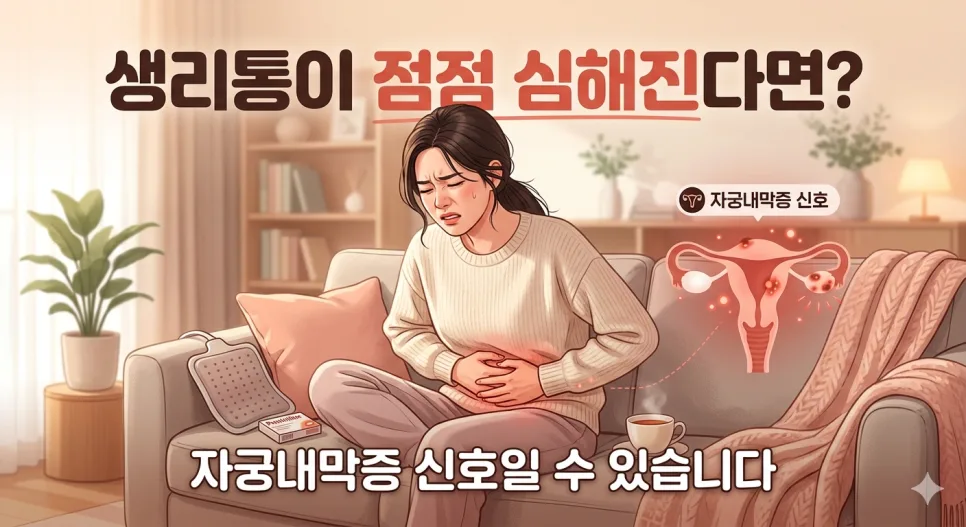
If your period pain is getting worse and not responding to painkillers, it might be a sign of endometriosis. Endometriosis is a condition where tissue similar to the uterine lining grows outside the uterus, causing pain and various symptoms. Early detection and proactive treatment are crucial for managing this condition.
What Are the Early Signs of Endometriosis vs. Regular Period Pain?
The most common symptom of endometriosis is progressively worsening menstrual cramps. However, it differs from typical period pain in several ways. The pain tends to become more severe over time and may not be effectively managed with over-the-counter painkillers. You might also experience pelvic pain, pain during intercourse, or pain during bowel movements, even outside of your menstrual period. If these symptoms sound familiar, it's important not to dismiss them as just bad cramps but to consider the possibility of endometriosis. Many individuals only seek medical attention after experiencing these persistent symptoms, only to be diagnosed with endometriosis.
What Are the Exact Causes and Risk Factors for Endometriosis?
While the precise cause of endometriosis remains unknown, it's believed to be a complex interplay of various factors. Key contributors often cited include the influence of female hormones, immune system irregularities, and genetic predispositions. Factors like having a family history of endometriosis, experiencing an early first period, or having longer menstrual cycles can increase your risk. Your individual constitution and overall health play a significant role in developing endometriosis, making consistent health management important. In my experience, maintaining good health has been instrumental in preventing various conditions.
How Is Endometriosis Diagnosed and Detected Early?
To diagnose endometriosis, medical professionals may utilize imaging tests such as ultrasounds or MRIs. Definitive diagnosis is often confirmed through a laparoscopy, a minimally invasive procedure where a surgeon directly visualizes the tissue and assesses the extent of the condition. However, laparoscopy isn't always necessary; other tests can provide sufficient diagnostic information based on the physician's judgment. The most critical step is seeking medical attention promptly when symptoms arise. Early diagnosis significantly improves treatment success rates and helps prevent potential complications.
What Are the Treatment Options for Endometriosis and Insurance Coverage?
Treatment for endometriosis is tailored to the severity of symptoms and the individual patient's condition, typically involving either medication or surgery. Medical treatments may include hormone therapy or pain relievers, while surgical options often involve laparoscopic procedures to remove endometrial implants. The costs associated with these diagnostic tests and treatments are generally covered by health insurance. Furthermore, if you have supplemental medical insurance (similar to US 'Medicaid' or 'Medicare' for specific conditions, or private 'Medigap' plans), you may be eligible for coverage of examination fees, surgical costs, and hospitalization expenses. However, procedures performed for cosmetic or non-therapeutic reasons are typically excluded. It's essential to review your specific insurance policy details, as coverage can vary based on your plan. Consulting with an insurance professional is recommended to understand your benefits fully.
What Should You Be Aware of During Endometriosis Treatment?
Endometriosis is a manageable condition with early intervention, but if left untreated, it can lead to chronic pain or infertility. This is for informational purposes only. Consult a healthcare professional.
For more details, check the original source below.