Korean women's health insurance in 2026 offers specialized coverage for pregnancy, childbirth, female cancers, and infertility, focusing on risks unique to women. Given the high incidence of common cancers like thyroid, breast, and uterine cancer among women, tailored coverage is crucial for robust protection. This guide breaks down the essential benefits and latest information for 2026 to ensure comprehensive health security.
Why is Korean Women's Health Insurance Essential in 2026?
A woman's life journey is marked by significant changes, from pregnancy and childbirth to career, and eventually menopause. Standard health insurance may not fully cover the specific health issues and risks that are more prevalent among women. Korean women's health insurance is designed to address these unique needs, focusing on conditions like pregnancy complications, female cancers (such as breast and uterine cancer), ovarian diseases, and infertility. This specialized coverage goes beyond basic illness protection, providing essential support for women's health management throughout their lives. Many policyholders appreciate the comprehensive coverage that extends from before pregnancy through postpartum care, highlighting its role as a vital tool for maintaining quality of life.
What Specific Coverage is Included for Pregnancy and Childbirth?
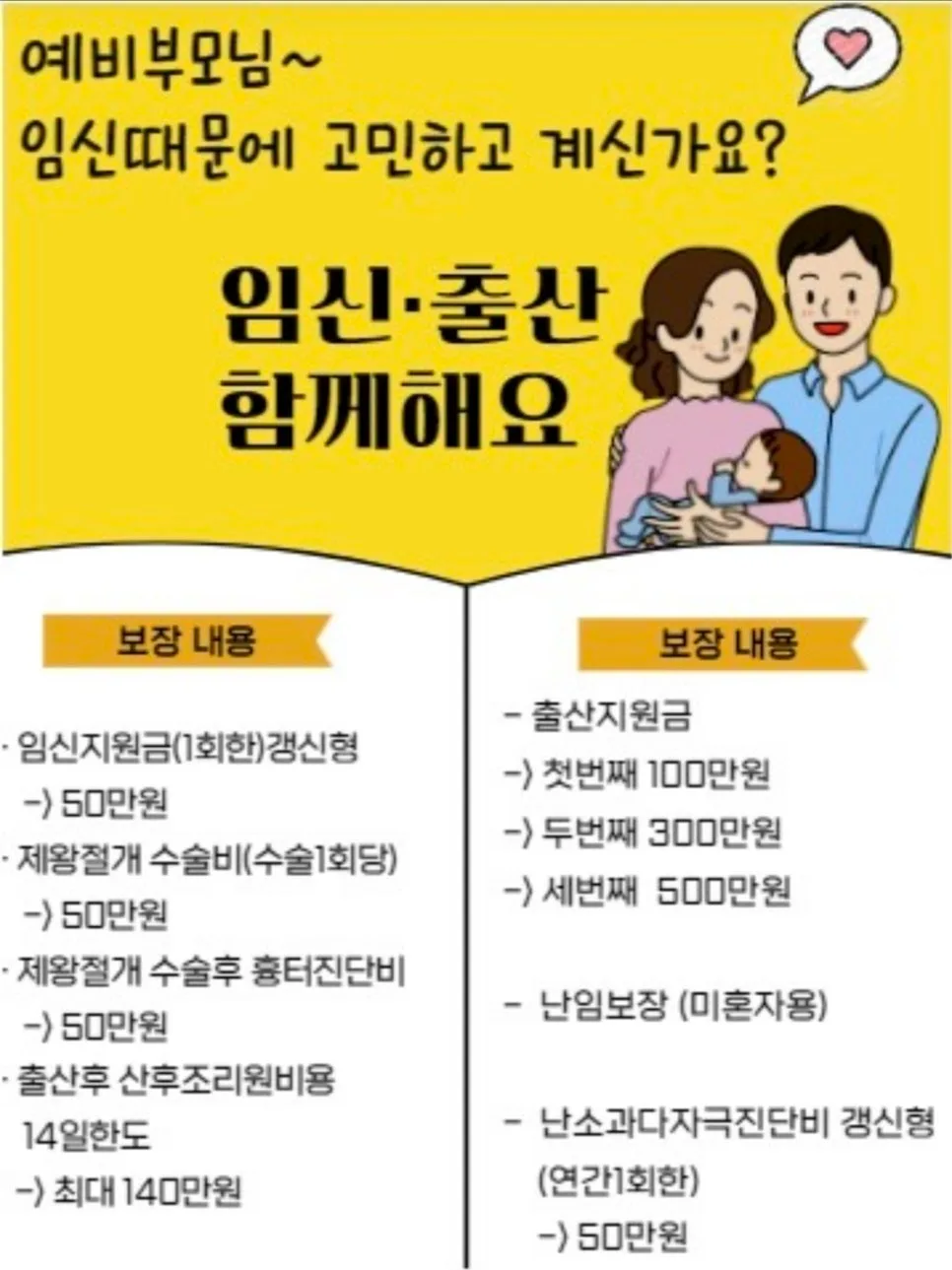
A cornerstone of women's health insurance is its coverage for various scenarios during pregnancy and childbirth. This can include pregnancy support funds, coverage for C-section surgeries and related scar treatment, postpartum care facility expenses, and childbirth support funds. Often, childbirth support amounts vary based on the number of children, offering practical financial assistance to families, especially those with multiple children. Additionally, infertility-related benefits may be included, and some policies offer coverage for conditions like ovarian hyperstimulation syndrome, typically with an annual limit. This comprehensive approach ensures a supportive health journey from conception through the postpartum period.
Why is Separate Coverage for Female Cancers Important?
Did you know that three of the top five most frequently diagnosed cancers are more common in women? (Based on 2024 data from KMI Institute of Korean Medical Research) Thyroid, breast, and uterine cancers are prime examples of female-specific cancers. It's more effective to have coverage specifically designed for these conditions, considering their unique incidence rates and characteristics, rather than relying solely on general cancer coverage. Specialized riders for female cancers focus on early detection and treatment, providing robust financial protection against these risks. Therefore, when selecting women's health insurance, it's vital to carefully review the scope and amount of coverage for female cancers.
How Can You Reduce Premium Costs for Women's Health Insurance?
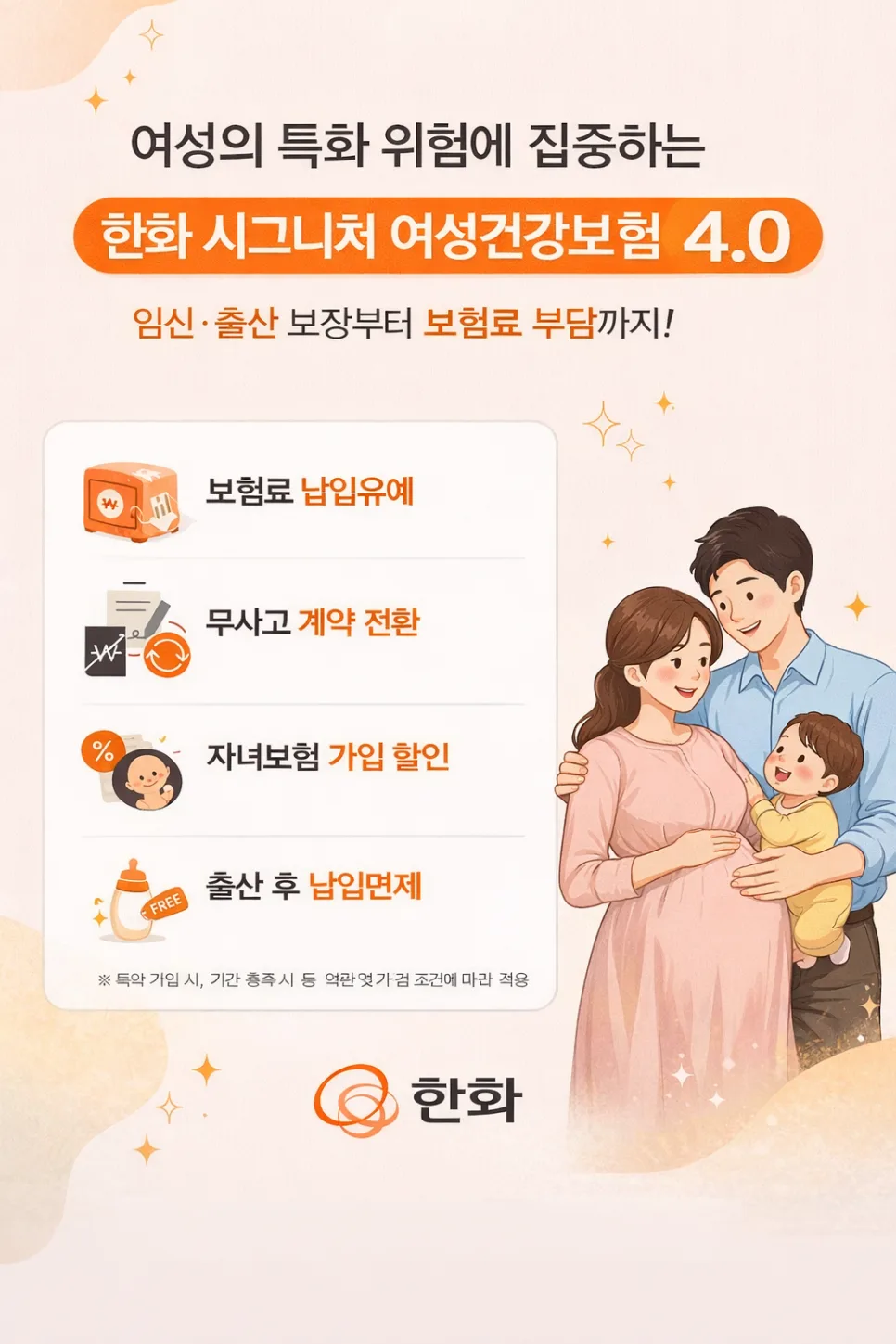
To make comprehensive coverage more accessible, women's health insurance often includes various programs and benefits designed to manage premium costs. Key features include premium payment deferral, allowing temporary suspension of payments during financial hardship, and discounts for maintaining a claim-free record. For those who opt for coverage before childbirth (similar to a fetal insurance plan in the US), additional discounts on child insurance may apply. Furthermore, some policies offer premium waivers for a period after childbirth under specific conditions, typically for the first year. These provisions help make long-term insurance plans more financially manageable.
For more details, check the original source below.