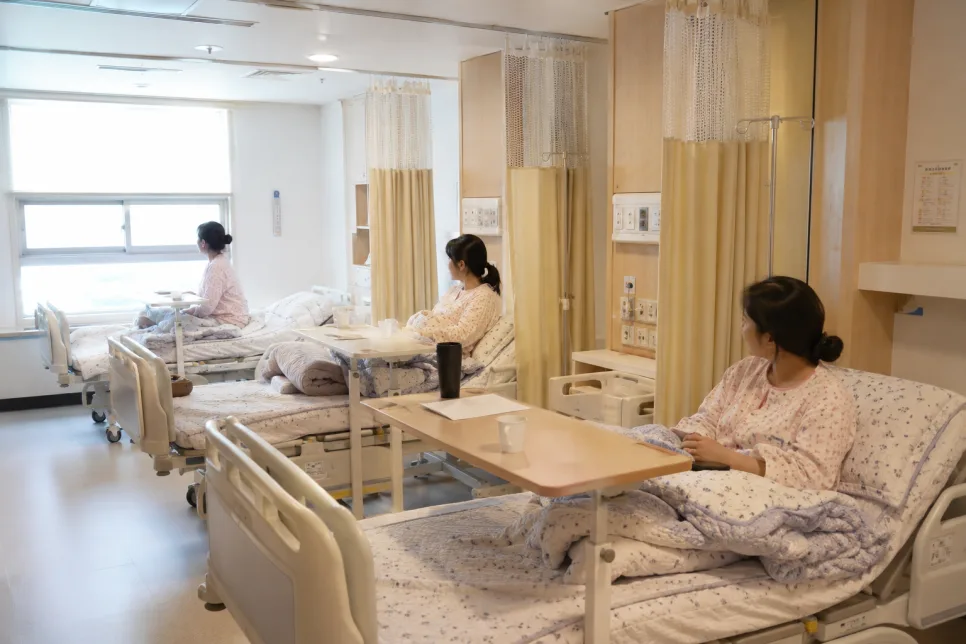
Understanding the costs and insurance coverage for robot-assisted surgery for uterine fibroids can be complex, especially since many aspects fall under non-covered benefits. For those considering this advanced surgical option, knowing the potential out-of-pocket expenses and how private health insurance (실비보험) might apply is crucial for financial planning. This guide breaks down the typical costs and insurance considerations in 2026, based on real patient experiences.
What Are the Key Factors When Choosing a Hospital for Uterine Fibroid Robot Surgery?
Selecting the right hospital for robot-assisted fibroid surgery involves several considerations. Based on personal experience, I prioritized facilities renowned for gynecological robotic procedures and proximity to home for easier recovery and family visits. The precision of robotic surgery, which minimizes damage to surrounding tissues, was a major draw, especially given a past C-section history that raised concerns about adhesions. The psychological impact of being away from children also influenced the decision, making a shorter travel distance a factor. Ultimately, choosing a hospital with extensive robotic surgery experience, a strong focus on patient safety and comfort, and the ability to provide personalized consultations is paramount for a successful outcome.
What Are the Estimated Costs for Robot-Assisted Uterine Fibroid Surgery?
While traditional open surgery or laparoscopic procedures might cost several thousand dollars, robot-assisted surgery, particularly using systems like the da Vinci surgical robot, often involves a higher proportion of non-covered expenses. This can lead to total costs exceeding $7,000-$10,000 USD, depending on the hospital, the complexity of the fibroids, and the length of the hospital stay. It's essential to obtain detailed quotes from multiple facilities, as pricing can vary significantly. Consulting with the hospital's billing department and understanding which specific procedures and services are considered non-covered (비급여) is a critical step before scheduling your surgery.
How Much Does Private Health Insurance Cover for Uterine Fibroid Robot Surgery?
The extent to which private health insurance (실비보험) covers robot-assisted uterine fibroid surgery varies significantly based on your specific policy. Coverage depends heavily on when you purchased your insurance (e.g., 1st generation, 2nd generation, etc.) and the included riders or add-ons. Some older policies might offer broader coverage for non-covered items compared to newer ones. It is imperative to contact your insurance provider *before* your surgery to clarify the exact coverage details for surgical fees, hospital stays, and any related non-covered medical expenses. They can provide precise information on your benefit limits and co-pays.
What Is the Recovery Process and What Precautions Should I Take After Robot-Assisted Surgery?
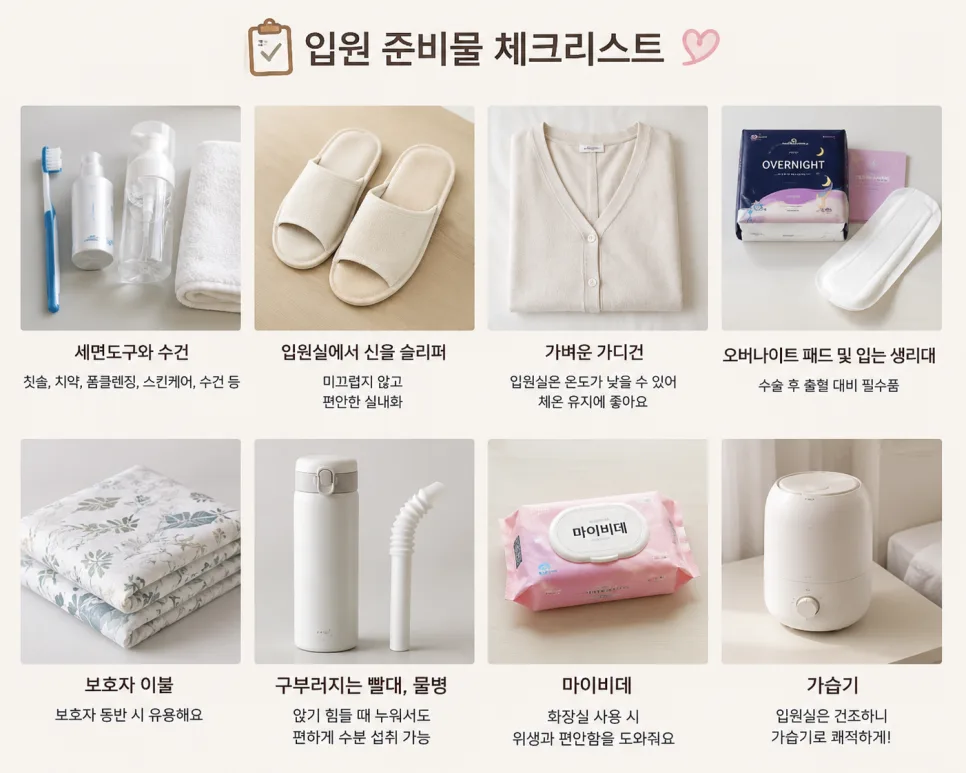
Post-surgery, the first day typically involves fasting and managing potential discomfort, which can feel like abdominal cramping or twisting for a couple of hours after the procedure. Pain management through epidurals or patient-controlled analgesia (PCA) significantly alleviates this. By the third day, patients are usually encouraged to start walking to aid gas expulsion and promote faster recovery. In many cases, discharge can occur on the morning of the fourth day. It's crucial to avoid strenuous activities and heavy lifting for about a week post-discharge to allow your body to heal properly. Minimizing the luggage you bring to the hospital, perhaps using a suitcase, is advisable as you'll need to avoid carrying heavy bags. Remember, individual recovery rates differ, so prioritize listening to your body and giving yourself ample time to heal.
For more details, check the original source below.