Undergoing a stereotactic biopsy after discovering atypical cells is a crucial step for accurate diagnosis in Korean wellness. This procedure typically involves a one-night hospital stay and is performed under local anesthesia to precisely collect tissue samples. This guide will walk you through the process, from understanding the need for advanced hospital testing to managing post-procedure care and understanding cancer detection rates.
Why You Need Advanced Testing After Atypical Cells Are Found
When routine breast screenings reveal atypical cells during a biopsy, it signals a potential increased risk for developing cancer. While this news can be alarming, it’s essential to move forward with advanced testing at a specialized hospital. In my experience, the initial shock can make it hard to process information, but a professional diagnostic approach is vital. My doctor recommended a referral to a higher-level hospital, explaining the findings related to microcalcifications or ultrasound abnormalities. This recommendation meant more than just follow-up checks; it indicated the need for direct tissue collection and detailed analysis.
What Is a Stereotactic Biopsy and How Is It Performed?
A stereotactic biopsy, also known as stereotactic core needle biopsy, is recommended when mammograms show microcalcifications or other abnormalities that are difficult to pinpoint. This procedure uses 3D imaging guidance to precisely extract tissue samples from the suspicious area. While it's often an out-of-pocket expense, checking with your insurance provider about potential coverage through private health insurance plans is advisable. I stayed overnight for the procedure, and due to integrated nursing care, visitor access was limited. Pre-admission blood tests were conducted, and the biopsy itself was performed under local anesthesia in the afternoon. Depending on the patient's position, the procedure can be done while lying down or sitting. While it might sound daunting, the pain was manageable, and the process, though involving cold equipment, was made less tense by the attentive nurses providing psychological support.
Stereotactic Biopsy: Hospital Stay and Post-Procedure Care
Opting for a private room during your hospital stay for a stereotactic biopsy can offer a more comfortable environment. Hospitals located on main roads might have some noise, but they often benefit from ample natural light. Hospital meals are typically standard, like bibimbap, and generally palatable. Before the procedure, basic checks like blood pressure monitoring are performed, and enjoying snacks can help ease your nerves. After the biopsy, if you don't experience significant pain, you can usually move around the hospital, perhaps enjoying a coffee. However, it's crucial to avoid putting strain on the biopsy site and to strictly follow your medical team's instructions. Bringing an iPad or other entertainment can help pass the time during your stay. Remember to report any unusual symptoms immediately to your doctor.
Atypical Cells and Cancer Detection Rates: What to Expect
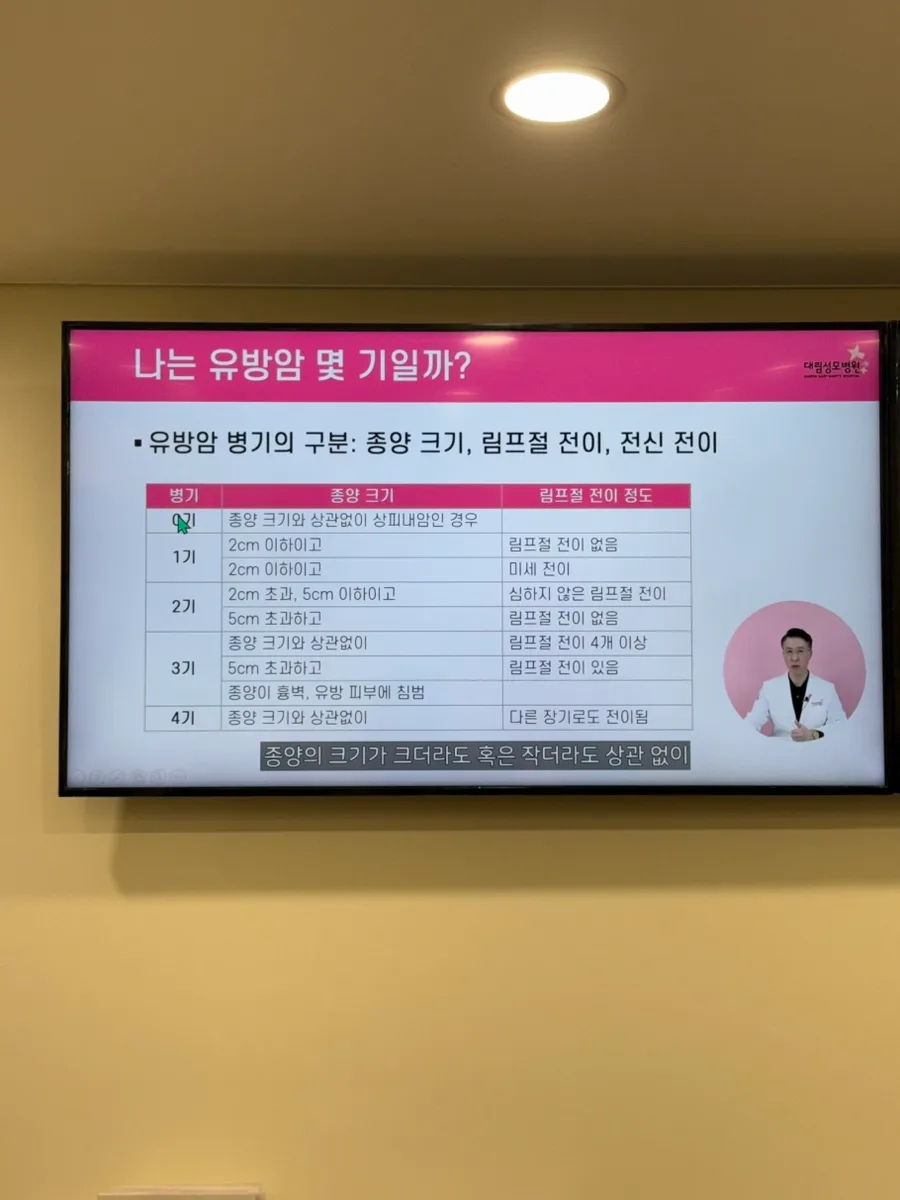
When atypical cells are found in a biopsy, the likelihood of a subsequent cancer diagnosis typically ranges from 10% to 20%. A significant portion of these cases are Stage 0 carcinoma in situ, which is non-invasive and has a survival rate exceeding 95%. Despite these favorable statistics, the word 'cancer' itself can cause considerable anxiety. Therefore, it's more beneficial to focus on understanding your exact condition through thorough consultation with your doctor and developing a personalized management plan. Your care strategy will depend on your individual health status and the specific characteristics of the abnormality. Even if the results are not ideal, remember that advancements in modern medicine offer high treatment success rates, so maintaining hope is essential.
For more details, check the original source below.