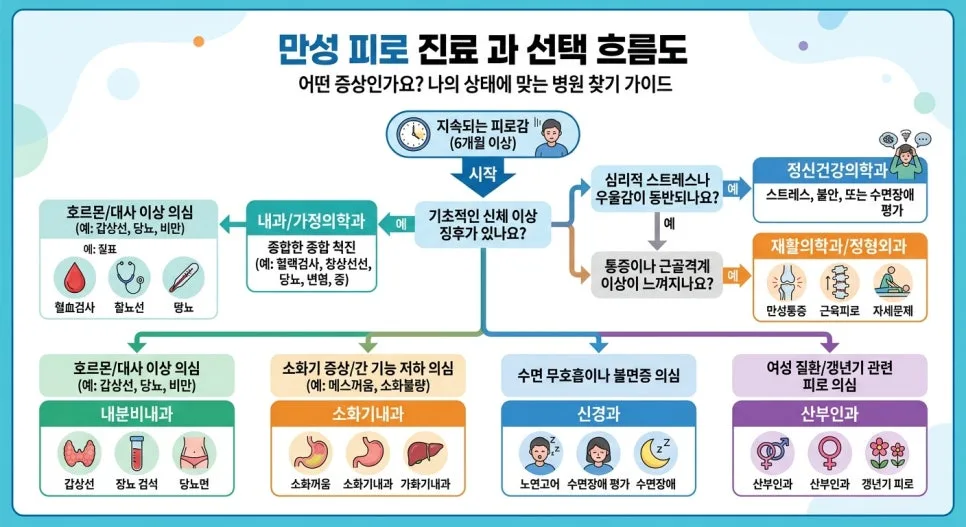
If you're struggling with chronic fatigue and persistent sleepiness in 2026, starting with a visit to a family medicine doctor or general internist is your best bet. These primary care physicians can conduct a comprehensive health assessment, helping to identify potential causes ranging from sleep disorders and hormonal imbalances to blood issues and mental health concerns, before referring you to the appropriate specialist.
Why Chronic Fatigue Isn't Just One Thing: A Multifaceted Approach
Chronic fatigue and constant drowsiness often stem from a complex interplay of factors, rather than a single organ's malfunction. Poor sleep quality, hormonal imbalances, circulatory problems, psychological stress, or even underlying infections can all contribute. In Korea, as in the US, fatigue is recognized as a multifaceted symptom. This is why starting with a primary care physician—like a family medicine doctor or general internist—is crucial. They can perform initial screenings, including blood tests and lifestyle assessments, to narrow down the potential causes. This comprehensive approach helps catch hidden conditions you might not even be aware of, ensuring you get effective management for the root cause. For instance, issues like insufficient sleep or undiagnosed depression can significantly impact energy levels, and a primary care visit is often the first step to uncovering these.
Pinpointing the Cause: Selecting the Right Specialist for Fatigue and Daytime Sleepiness
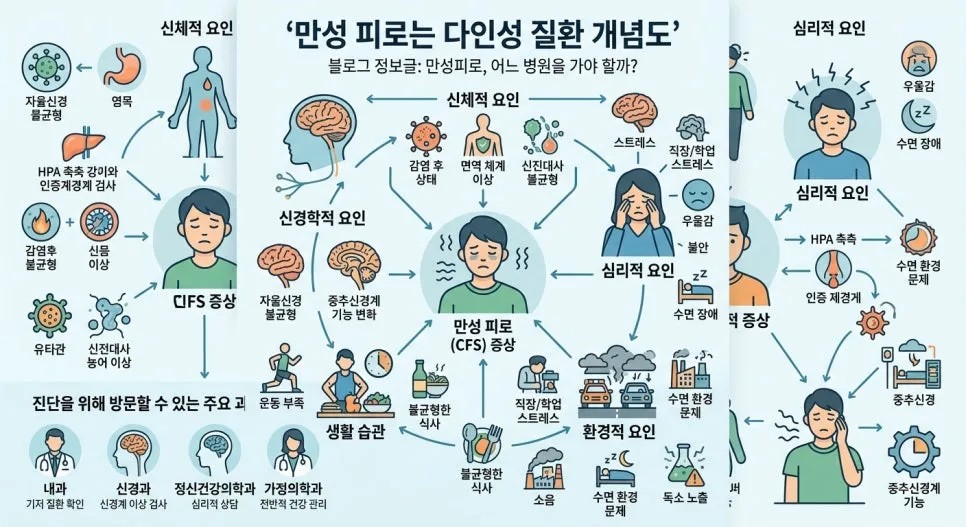
The causes of chronic fatigue and daytime sleepiness can be broadly categorized into sleep disorders, endocrine/metabolic issues, blood and nutritional deficiencies, mental health concerns, chronic diseases, and medication side effects or lifestyle factors. Understanding these categories and their associated symptoms can guide you toward the correct specialist. For example, if you experience loud snoring, morning headaches, and excessive sleepiness while driving, a sleep disorder might be the culprit, warranting a visit to a sleep specialist or an ENT (Ear, Nose, and Throat) doctor. If you're sensitive to cold, notice swelling, constipation, or hair loss, it could indicate an endocrine issue like hypothyroidism, which is treated by an endocrinologist. Symptoms like dizziness, heart palpitations, or a pale complexion might point to anemia or other blood disorders, requiring a visit to a hematologist. By discussing these accompanying symptoms with your primary care physician, you can ensure a more accurate diagnosis and efficient referral to the right specialist.
Key Specialists for Fatigue and Sleepiness: A Guide by Condition
Depending on the specific cause of your chronic fatigue and sleepiness, you may need to consult various specialists. Sleep disorders such as sleep apnea, insomnia, or narcolepsy are managed by sleep medicine specialists, who often address symptoms like snoring and excessive daytime sleepiness. Endocrine and metabolic conditions, including thyroid disorders (hypothyroidism or hyperthyroidism) and diabetes, are treated by endocrinologists and may present with symptoms like changes in weight, temperature sensitivity, or increased thirst. Blood disorders like anemia or thrombocytopenia fall under the purview of hematologists. Cardiovascular issues, such as heart failure or arrhythmias, are handled by cardiologists. Respiratory conditions like chronic bronchitis or asthma are treated by pulmonologists, while kidney diseases are managed by nephrologists. It's essential to communicate all your symptoms clearly to your primary care doctor to facilitate the correct referral.
When Fatigue Signals a Medical Emergency
While most fatigue can be managed through lifestyle changes and specialist care, certain symptoms warrant immediate medical attention. If you experience sudden, severe chest pain, fainting, paralysis on one side of your body, slurred speech, or significant difficulty breathing, do not delay. These could be signs of life-threatening conditions like a stroke or heart attack. In such critical situations, call 911 (or your local emergency number) immediately or go directly to the nearest emergency room. Prompt medical intervention is crucial for survival and minimizing long-term damage. Always err on the side of caution when experiencing severe or sudden onset of these alarming symptoms.
For more details, check the original source below.