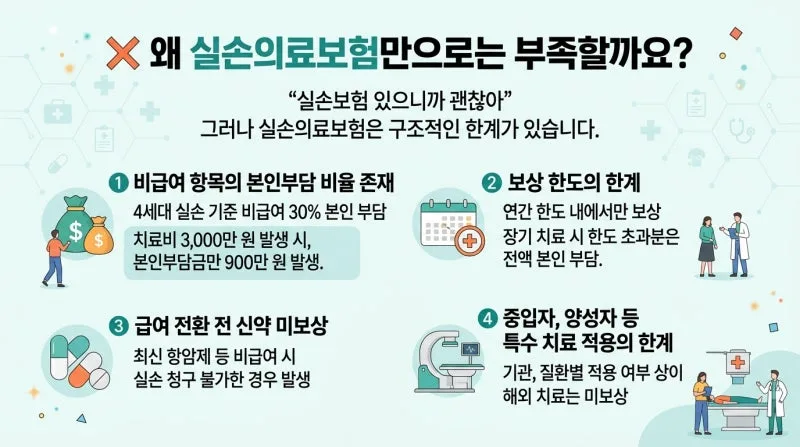
Cancer treatment costs in 2026 may exceed what standard insurance covers. Advanced treatments like targeted and immunotherapy drugs can cost millions of won (approx. $750-$3,750+) monthly, and even tens of millions of won (approx. $7,500-$75,000+) over the course of treatment. Given the limitations and deductibles of most insurance plans, out-of-pocket expenses can become substantial. This guide, informed by real-world experiences, outlines how to prepare for the financial realities of modern cancer care.
Are Non-Covered Treatments More Critical Than Surgery Now?
Historically, cancer treatment primarily involved surgery. However, the landscape is rapidly evolving with advanced therapies like targeted drugs, immunotherapies, proton therapy, and heavy ion therapy gaining prominence. These innovative treatments are designed to attack cancer cells more precisely or harness the body's immune system for better outcomes. Unfortunately, many of these cutting-edge options are not covered by standard health insurance, placing a significant financial burden on patients. As treatment durations extend, the economic strain intensifies. We're seeing a surge in inquiries about the costs associated with these non-covered treatments, reflecting a growing concern among patients and their families.
What Are the Latest Costs for Non-Covered Cancer Treatments?
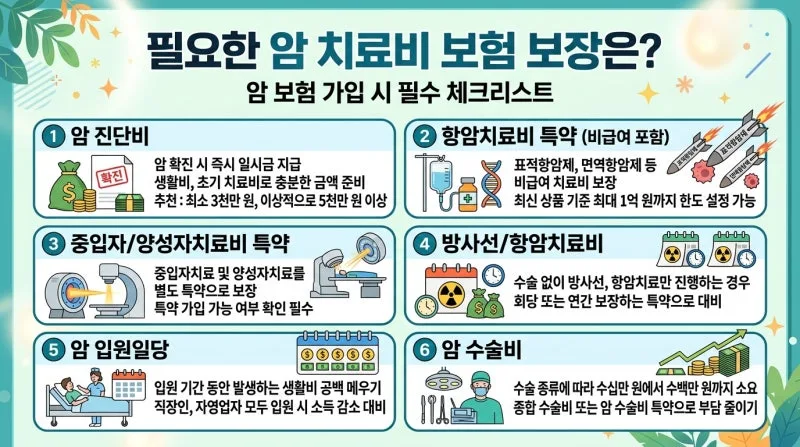
The financial implications of advanced cancer care are substantial. For instance, targeted therapy drugs can incur monthly costs ranging from approximately $750 to over $3,750 USD, potentially accumulating to tens of thousands of dollars over the entire treatment period. Immunotherapy sessions can cost several thousand dollars each, with combination therapies further increasing the overall expense. Advanced radiation treatments like proton or heavy ion therapy can easily run into tens of thousands of dollars. Innovative cell therapies, such as CAR-T, while offering remarkable results for specific conditions, also come with a very high price tag, often exceeding $100,000 USD. These costs present a significant economic challenge for patients and their loved ones.
Why Can't Standard Insurance Cover All Cancer Treatment Costs?
Many individuals believe that their health insurance will fully cover cancer treatment expenses, but several inherent limitations exist. Firstly, most non-covered services (비급여, *bi-geu-byeo*) require a co-payment, meaning patients are responsible for a percentage of the cost. Secondly, insurance plans have annual coverage limits, which can be insufficient for high-cost, novel treatments or extended treatment periods. Thirdly, certain new drugs or experimental therapies might be excluded from coverage based on the insurer's policy terms. Therefore, it's crucial to understand that standard insurance alone may not be enough to cover all cancer treatment expenses, and supplementary coverage might be necessary depending on individual circumstances.
What Factors Should You Consider When Preparing for Cancer Treatment Costs?
The cancer treatment landscape is constantly evolving, making it essential to regularly review and update your financial preparedness. It's not just about increasing your insurance coverage amount; understanding the actual cost structure of modern treatments is key. Beyond direct medical bills, consider the long-term costs associated with extended treatment, such as living expenses, potential caregiver costs, and additional expenses related to hospital visits and accommodation, especially if you need to travel for specialized care. Therefore, a comprehensive financial assessment should include the structure of treatment costs, the likelihood of incurring non-covered expenses, the estimated duration of treatment, and the overall impact on your daily living expenses.
For more details, check the original source below.