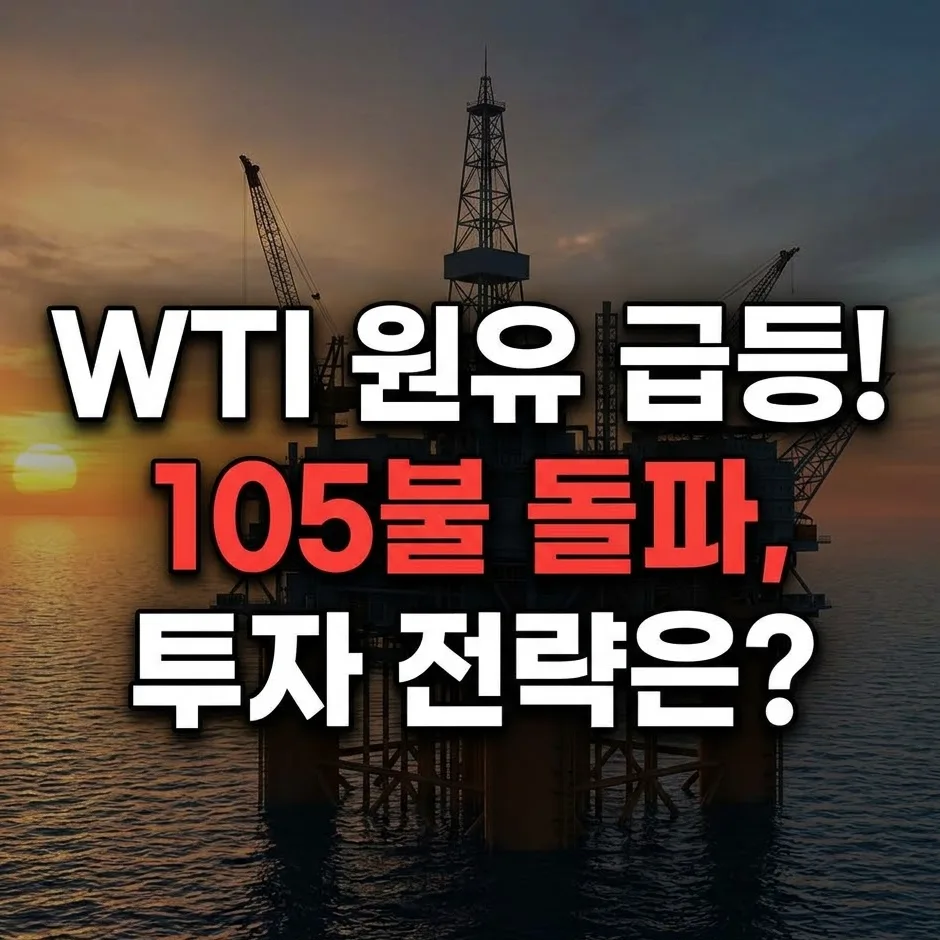
WTI crude oil futures have surged past $105 per barrel, marking a significant 4.2% increase. This sharp rise is attributed to a confluence of factors including escalating geopolitical risks in the Middle East, persistent global supply concerns, and stronger-than-anticipated demand. Navigating future oil price trends and investment strategies requires a careful and informed approach.
Why Did WTI Crude Oil Futures Break $105 in May 2026?

On May 15, 2026, West Texas Intermediate (WTI) crude oil futures experienced a substantial jump, closing at $105.42 per barrel, a 4.20% increase from the previous trading day. This surge propelled prices beyond the $100 per barrel mark, a level that had acted as a psychological barrier for months. This breakout is seen as a strong signal, potentially indicating further upward momentum and capturing significant market attention. The increase in trading volume accompanying this price rise suggests robust market participation and reinforces the notion that this might be more than a fleeting event, possibly signaling structural shifts in the oil market.
Geopolitical Risk, Supply Worries, and Demand Surge: The Three Core Drivers?
The recent spike in WTI crude oil futures is the result of several interconnected factors. Firstly, heightened geopolitical tensions in the Middle East have intensified concerns over potential supply disruptions, directly impacting market sentiment and driving prices upward. Secondly, news of production constraints from key oil-producing nations, coupled with OPEC+'s commitment to maintaining production cuts, has amplified fears of a global oil supply deficit. Thirdly, projections for a stronger global economic recovery, especially with the summer driving season approaching, are boosting expectations for increased oil demand, exceeding previous forecasts. These elements have collectively fueled the current oil price rally.
Current Oil Market Landscape and Key Analysis
The global oil market is currently characterized by a complex interplay of variables. Geopolitical instability in the Middle East remains a primary driver of supply chain anxieties and upward price pressure. OPEC+'s production policies, while aimed at stabilizing prices, could exacerbate supply shortages in the short term. Concurrently, signs of global economic recovery and the seasonal increase in demand during summer months are expected to further tighten the market. This dynamic environment necessitates that investors closely monitor oil-related news and economic indicators to make informed decisions.
Future WTI Crude Oil Price Outlook and Volatility
With WTI crude oil prices now trading above $105 per barrel, the market is expected to experience heightened volatility. Many analysts believe that the geopolitical instability in the Middle East will persist, and the supply constraints stemming from OPEC+ decisions will continue, suggesting a potential for further price increases. However, the rapid ascent in prices could also trigger concerns about global economic slowdowns, potentially leading to increased price fluctuations. Investors should remain vigilant, closely observing market developments and considering diversified investment strategies to manage risk effectively. This is not financial advice. Consult a licensed financial advisor before making investment decisions.
For more details, check the original source below.