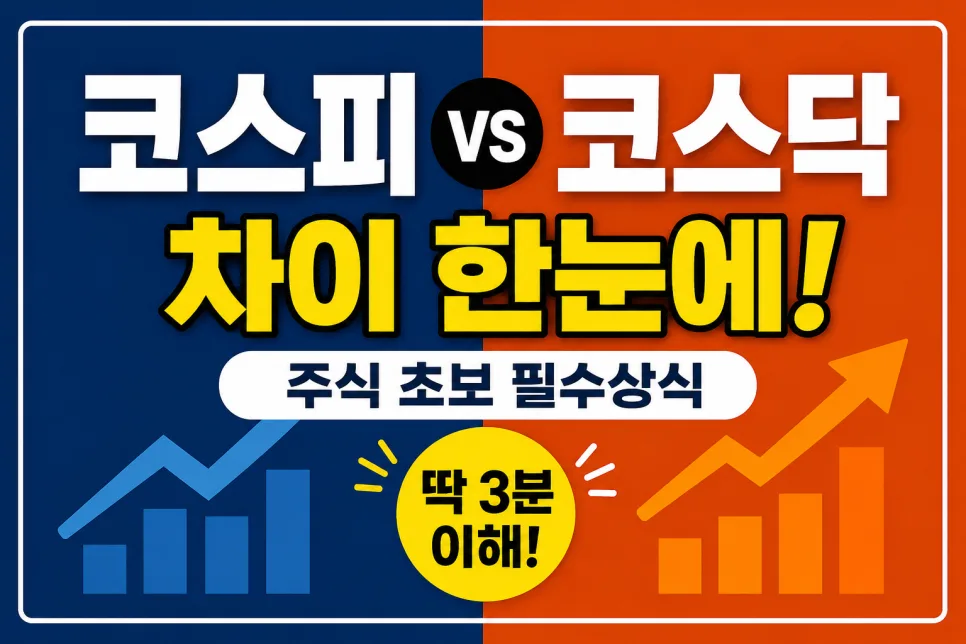
Understanding the core differences between KOSPI and KOSDAQ is crucial for any US investor looking to tap into South Korea's dynamic stock market. KOSPI represents the stable, large-cap market dominated by established conglomerates, while KOSDAQ focuses on high-growth potential small and medium-sized enterprises (SMEs) and venture companies. Your investment strategy will hinge on which market best aligns with your risk tolerance and financial goals.
What is KOSPI and Which Companies Trade There?
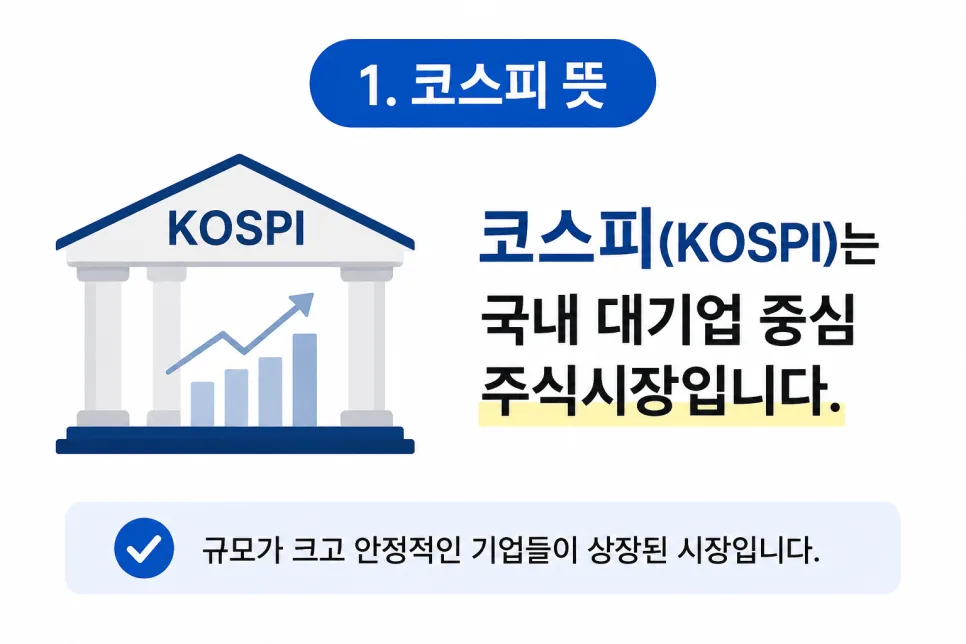
KOSPI (Korea Composite Stock Price Index) is South Korea's primary stock market index, featuring companies that are typically large, financially stable, and well-established. Think of giants like Samsung Electronics, Hyundai Motor, and LG Energy Solution. When you hear news about the KOSPI rising, it generally signifies that these major corporations are performing well, reflecting positively on the broader South Korean economy. This market is often favored by institutional investors, including pension funds and foreign entities, seeking relatively stable returns and dividends. The KOSPI acts as a key barometer for the health of the Korean economy and is a foundational element for many international investment portfolios looking for exposure to established Asian markets.
What are the Characteristics of the KOSDAQ Market?
In contrast to KOSPI, the KOSDAQ market is geared towards innovation and growth, hosting a vibrant ecosystem of small and medium-sized enterprises (SMEs), venture capital-backed startups, and companies in cutting-edge sectors like IT, biotechnology, and gaming. While individual companies might be smaller, their potential for rapid expansion can lead to significant returns for investors. Historically, KOSDAQ has been likened to a





