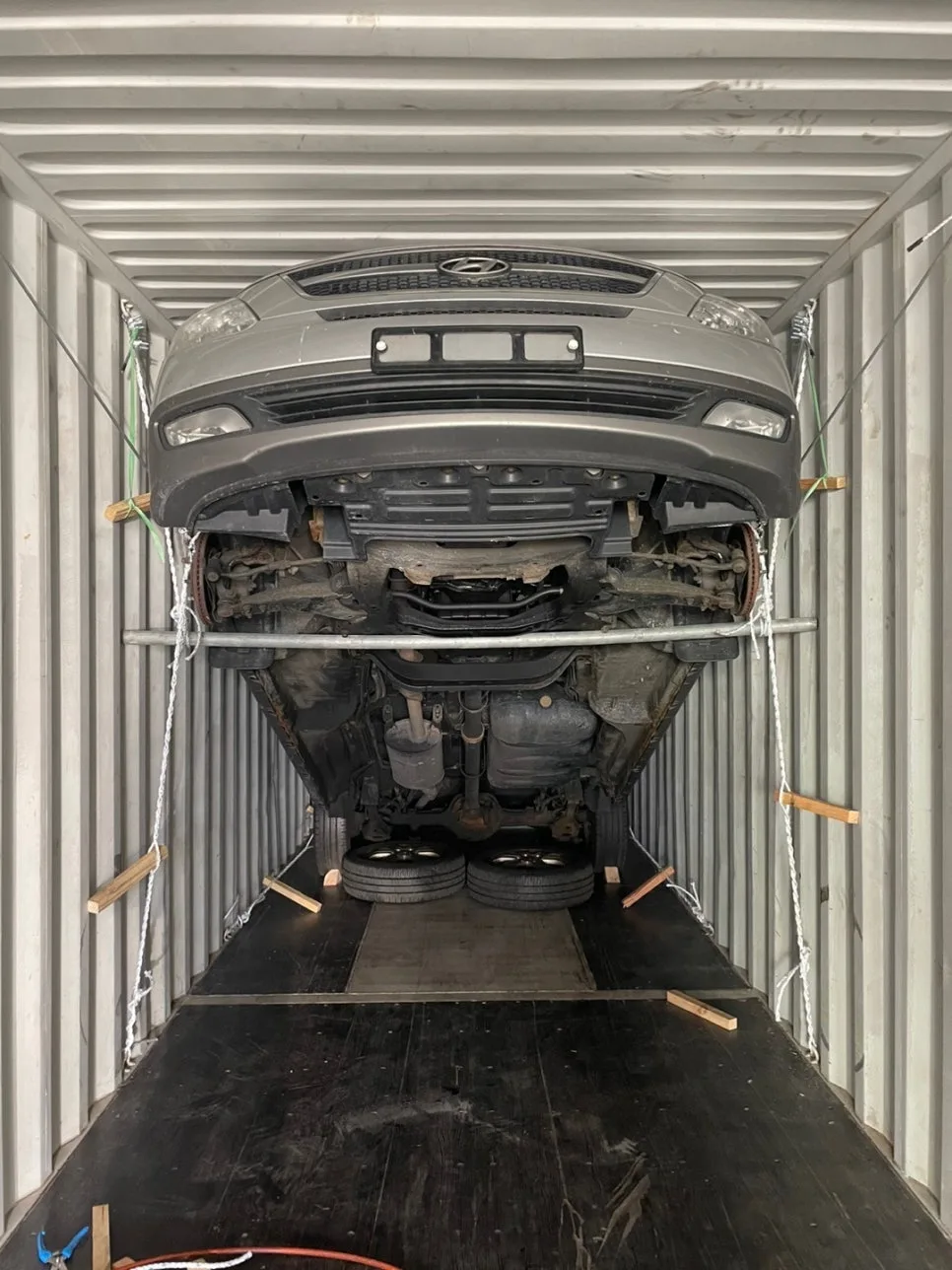
In 2026, exporting your used car offers a more lucrative alternative than simply scrapping it. Even vehicles with significant age, mileage, or accident history can fetch higher prices when sold for export, maximizing your return.
Why is Exporting a Used Car More Profitable Than Scrapping?
Choosing to scrap an older vehicle might mean leaving money on the table. While a car might have low resale value domestically, it can still be highly sought after in international markets, particularly in regions like Southeast Asia or Africa where affordability drives demand for used cars. Exporting allows you to tap into this global demand, bypassing domestic depreciation and potentially receiving significantly more than scrap metal value. This is especially true for cars with high mileage, minor accident damage, or cosmetic imperfections that would render them undesirable locally but still functional and valuable abroad. These vehicles can serve as essential transportation for many overseas. Therefore, before you consider scrapping your car, exploring export options is a financially savvy move.
Is the Used Car Export Process Complicated?
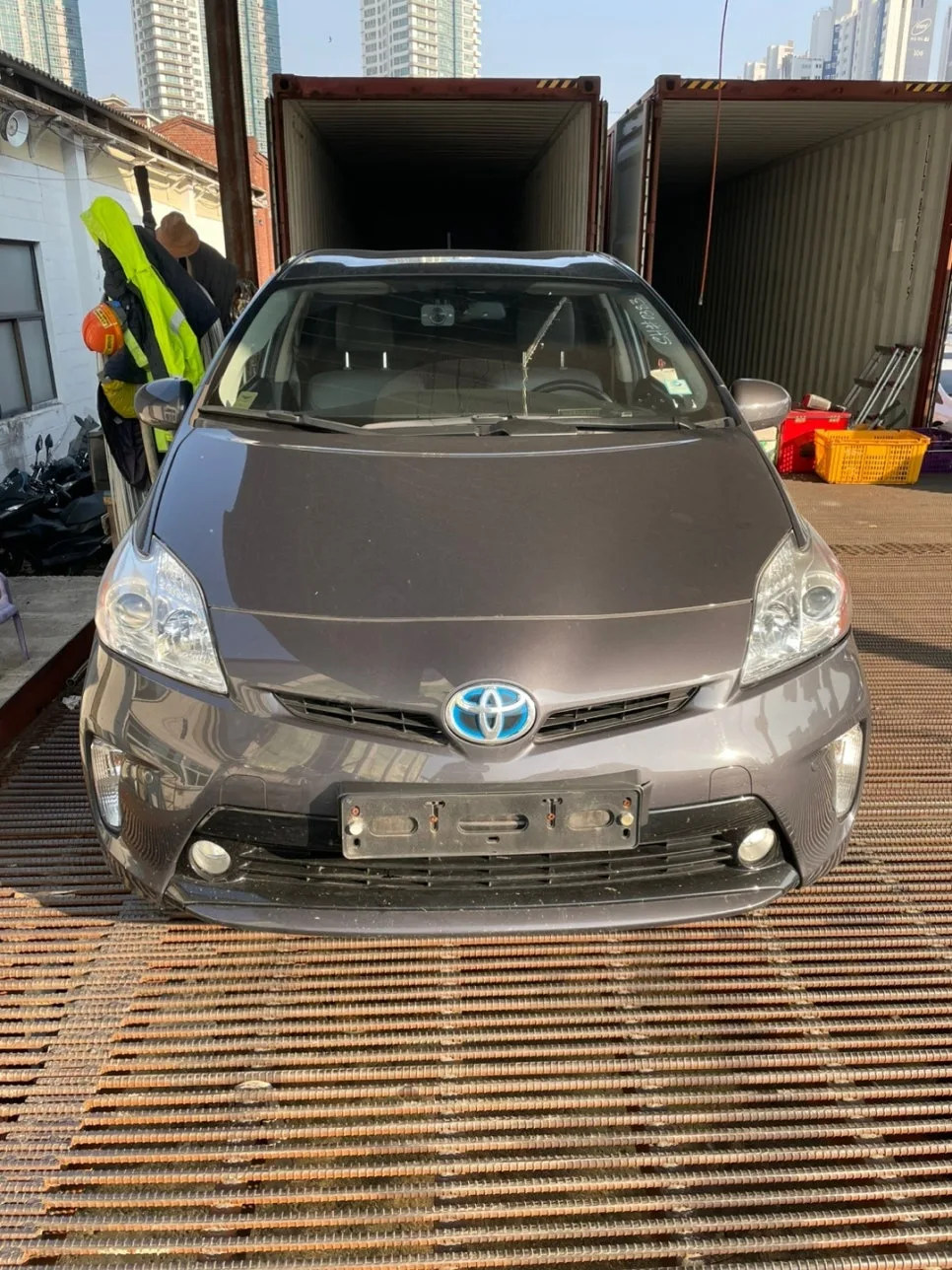
The process for exporting a used car is surprisingly straightforward and can be completed quickly. Typically, you'll only need your vehicle's registration certificate and your identification. Reputable export specialists will guide you through the necessary paperwork and provide a valuation for your car. Many companies offer same-day appraisals and even same-day pickup, aiming to complete the ownership transfer within the same day. This streamlined approach means you can sell your car efficiently without dealing with extensive documentation or lengthy waiting periods. To ensure you get the best offer, it's advisable to contact multiple export companies and compare their quotes based on your car's condition, model, and year.
What Should You Watch Out For When Exporting a Used Car?
When considering exporting your used car, it's crucial to work with a trustworthy buyer. Be wary of companies offering unrealistic prices or hidden fees, and always research their reputation and customer reviews. Honesty about your vehicle's condition is paramount; disclose any accident history, flood damage, or significant mechanical issues to avoid future complications. Carefully review all contract details, including the final sale price, the ownership transfer process, and payment terms. It's also important to confirm that all legal responsibilities transfer to the buyer once the ownership is officially recorded. By being diligent and informed, you can ensure a smooth and satisfactory export transaction.
What Are the Benefits of Exporting a Car Over Scrapping It?
The primary advantage of exporting your car over scrapping it is financial gain. While scrapping only accounts for the vehicle's material value, exporting leverages international demand to recognize the car's functional value, often resulting in a substantially higher sale price. This benefit is particularly pronounced for older vehicles, high-mileage cars, or those with minor damage. Beyond the financial aspect, exporting a car contributes to sustainability by giving it a second life and fulfilling transportation needs in another country. The process, often simplified by specialized export companies, offers a convenient and efficient way to sell your vehicle, making it a compelling option for maximizing your car's worth.
For more details on used car exports, consult with specialized companies.