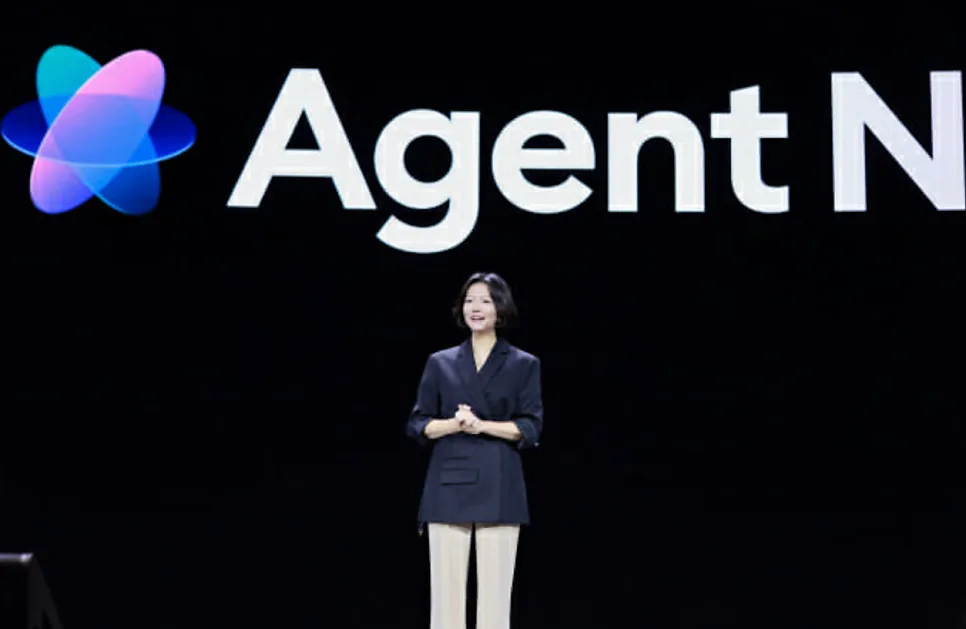
Naver's 2026 shareholder meeting announced a significant shift: returning 25-35% of free cash flow to shareholders over the next three years, alongside a bold plan to integrate AI agents across all services. The company confirmed a dividend of ₩2,630 per share (approximately $1.95 USD), signaling a commitment to enhancing shareholder value through both financial returns and technological innovation.
What are Naver's enhanced shareholder return policies announced in 2026?
Despite reporting record profits, Naver faced shareholder concerns regarding its stock performance at its 27th regular shareholder meeting. In response, management unveiled plans to boost shareholder value, including a confirmed cash dividend of ₩2,630 (approx. $1.95 USD) per common share, a notable increase from the previous year. Furthermore, Naver committed to returning 25-35% of its consolidated Free Cash Flow (FCF) to shareholders annually from 2025 to 2027. CEO Choi Soo-yeon also pledged additional treasury stock repurchases and cancellations to support the stock price, aiming to regain shareholder confidence. A key governance enhancement includes the return of the CFO, Kim Hee-cheol, to the board of directors after a 10-year absence, strengthening financial strategy and investment decision-making expertise. Amendments to the articles of incorporation were also made to protect shareholder rights, such as removing the exclusion of the cumulative voting system. These measures are designed to address shareholder demands and foster long-term shareholder value.
What is Naver's future vision for 'AI Agent Integration Across All Services' in 2026?
Naver is transforming from a mere search portal into a comprehensive 'AI platform' capable of understanding user intent and executing tasks. The company plans to fully integrate AI agents across all its services, including search, shopping, finance, and health, by the end of this year. This will enable users to experience more personalized and context-aware services. An 'AI tab' will be introduced to the integrated search function in the first half of the year, and the shopping agent, currently in beta, will be expanded to all categories by year-end. Management aims to double work productivity across the entire company through AI implementation, positioning Naver to compete effectively with global tech giants and secure profitability. The strategy emphasizes focusing on 'vertical agents' in areas like shopping, finance, and local services that can directly lead to sales, rather than general-purpose AI, to build a profitable AI ecosystem.
How will the AI agent adoption impact Naver's stock price and investments?
Naver's strategy of integrating AI agents across all services is poised to be a critical factor in its future stock performance. The success of these AI agents in providing intelligent and helpful assistance in shopping and financial sectors could directly correlate with increased revenue. For individual investors, it's crucial to monitor how AI technology translates into tangible service improvements and profit generation, beyond just dividend announcements. If the productivity gains and focus on vertical markets through AI adoption are successful, it could strengthen Naver's competitiveness and lead to long-term value appreciation. However, AI development and implementation require substantial investment, so continuous monitoring of the return on these investments is necessary. Investment decisions should be made cautiously, considering these macro strategies alongside personal investment profiles and risk tolerance.
What is the significance of the CFO joining the board and the articles of incorporation changes at the Naver shareholder meeting?
The Naver shareholder meeting also brought significant governance reforms. The return of CFO Kim Hee-cheol to the board of directors after a decade is a notable decision, signaling an increased emphasis on financial expertise in Naver's strategic planning and investment decisions. Furthermore, changes to the articles of incorporation were made to enhance shareholder rights protection. The removal of the clause excluding the cumulative voting system, which had been a point of contention, provides shareholders with a greater ability to influence board composition. These governance improvements are interpreted as Naver's commitment to increasing transparency and accountability in its corporate management. This is expected to boost the company's credibility and garner positive investor sentiment in the long run.
Naver Shareholder Meeting Results: Frequently Asked Questions
The atmosphere at the shareholder meeting was largely positive, with shareholders acknowledging the company's efforts towards enhancing shareholder value and embracing future technologies. The confirmed dividend of ₩2,630 per share (approx. $1.95 USD) and the commitment to returning 25-35% of FCF over the next three years were well-received. The ambitious AI integration plan also generated significant interest, with many anticipating its impact on user experience and company productivity. While some shareholders expressed a desire for higher dividends or faster implementation of certain AI features, the overall sentiment indicated support for Naver's strategic direction.





