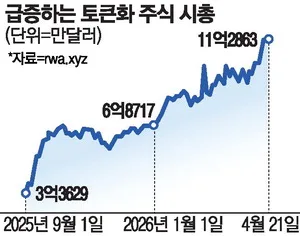
Tokenized stocks have surged past a $1 billion market cap in 2024, growing by 64% as major companies like Nvidia and Tesla, along with ETFs, become available in digital token form. This rapid expansion is fueled by regulatory progress in the US and increased listings on digital asset exchanges, signaling a significant shift in the financial landscape.
What Are Tokenized Stocks and Why the Hype?
Tokenized stocks represent traditional financial assets, such as real estate, gold, bonds, art, individual stocks, or ETFs, that have been converted into digital tokens on a blockchain. This innovative approach significantly broadens access to capital markets. The market cap for tokenized stocks has already surpassed $1 billion in 2024, marking a 64% increase. This growth is driven by enhanced investment accessibility, with features like fractional share investing and near 24/7 trading environments opening doors for investors previously excluded from traditional markets. Major companies like Nvidia and Tesla, and even ETFs such as the iShares MSCI South Korea ETF (EWY), are now available in tokenized form. This allows investors to build more diverse portfolios with greater ease and liquidity, with the gradual acceptance by regulated financial institutions further boosting market confidence.
How Are Tokenized Stocks Being Adopted in the US Market?
Regulatory frameworks for tokenized stocks are rapidly evolving in the United States. The Securities and Exchange Commission (SEC) approved a rule change in September allowing Nasdaq to trade tokenized securities, following a six-month review. In response, the New York Stock Exchange (NYSE) also submitted a rule change proposal to the SEC this month to permit the listing and trading of tokenized securities. These institutional moves are crucial for enhancing the stability and trustworthiness of the tokenized stock market, paving the way for deeper integration with traditional finance. This development promises a more transparent and secure investment environment for a wider range of investors.
Which Tokenized Stocks Can You Trade on Digital Asset Exchanges?
Major digital asset exchanges are increasingly listing tokenized stocks, mirroring the traditional financial market's embrace of this innovation. For instance, Binance offers tokenized versions of major US companies like Apple (AAPL), Alphabet (GOOGL), and Tesla (TSLA) through platforms like Ondo Finance. Recently, they also listed the iShares MSCI South Korea ETF (EWY), also known as the 'Korea ETF,' highlighting growing interest in regional markets. These exchanges often support not only spot trading but also perpetual futures (Perps), providing investors with versatile trading strategies and enhancing market liquidity. This expansion by digital asset exchanges is a key driver behind the growth of the tokenized stock market.
What Are the Advantages and Potential Risks of Investing in Tokenized Stocks?
Investing in tokenized stocks offers several compelling benefits. Firstly, fractional ownership allows investors to buy small portions of high-value stocks or ETFs with minimal capital. Secondly, the ability to trade nearly 24/7 removes traditional market hour limitations. Thirdly, blockchain technology can enhance transparency and efficiency. However, potential risks must be considered. The extent to which tokenized stocks guarantee the same rights as traditional shares, and the methods for custody and linkage of underlying assets, can vary, impacting investor protection. Furthermore, the simultaneous trading of spot and perpetual futures can lead to increased price volatility and speculative overheating. Therefore, it's crucial for investors to thoroughly research the issuer's and exchange's credibility and operational structure, and fully understand the nature of tokenized securities before investing. A cautious approach tailored to individual risk tolerance and financial goals is recommended, and consulting with a financial advisor is advisable.
Explore the future of tokenized stocks and investment opportunities.