Making konjac rice (곤약밥) at home for a low-glycemic diet is simple and effective for managing blood sugar and weight. Konjac rice, with a very low glycemic index (GI) of 24, helps curb blood sugar spikes and promotes fullness, making it an excellent choice for dieters and those managing diabetes. Its primary component, glucomannan, slows glucose absorption, contributing to better post-meal blood sugar control.
How to Make Konjac Rice in a Cast Iron Pot?
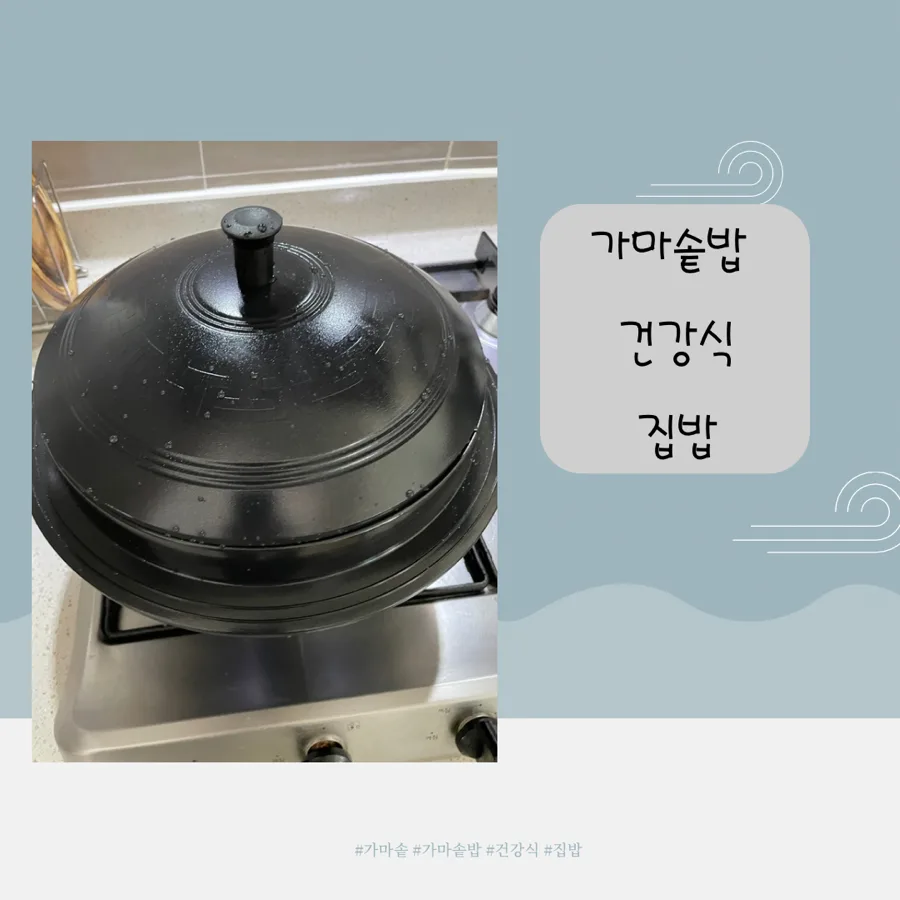
Using a traditional Korean cast iron pot (가마솥) to make konjac rice is a fantastic way to prepare healthy, homemade meals. Instead of relying on pre-packaged options that contribute to plastic waste, you can easily make your own by combining rice and konjac. Purchase rice-shaped konjac and mix it with your preferred rice (like short-grain white rice). After soaking the rice and konjac mixture for about 5 minutes, cook on high heat for 15 minutes, then reduce to low heat for the remaining cooking time. This method yields a perfectly chewy and delicious konjac rice. Cast iron pots are also easy to clean and versatile for various dishes beyond rice, like hearty soups or seasoned rice bowls. My husband successfully lost 30 lbs (13kg) and stabilized his health metrics, including blood sugar and blood pressure, by incorporating this method into his diet.
What Are the Benefits of Konjac Rice for Dieting?
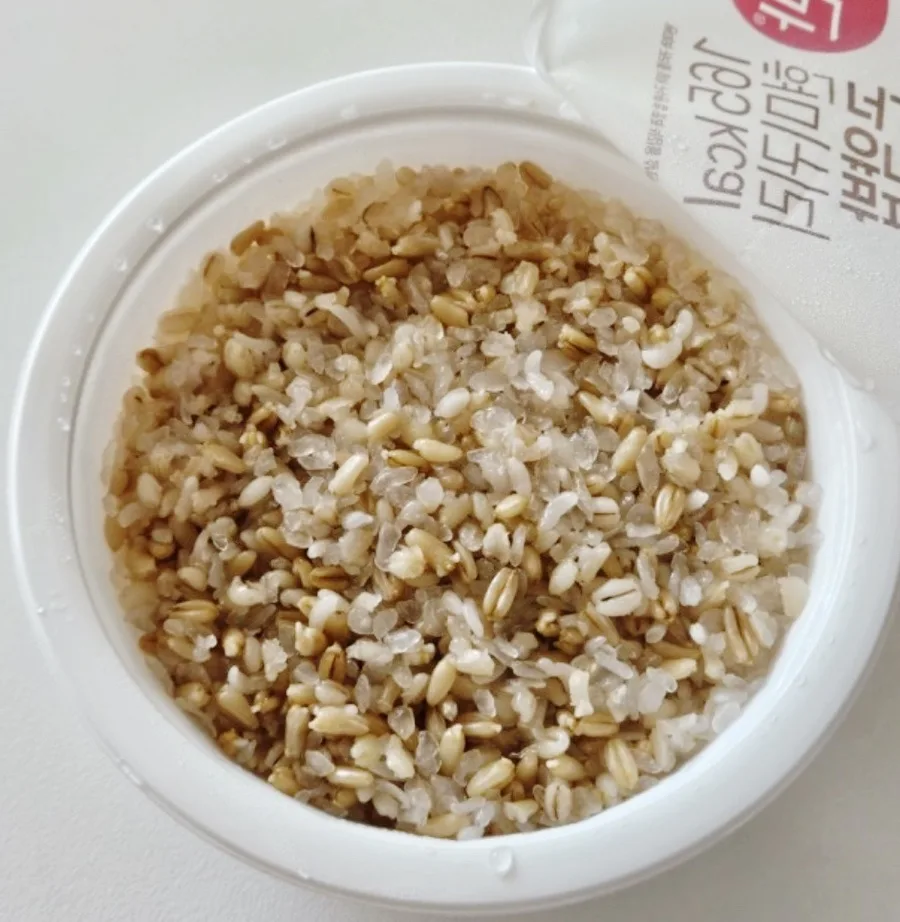
Konjac rice is a powerhouse for weight loss due to its low-calorie count and high satiety factor. The glucomannan fiber in konjac absorbs water, creating a feeling of fullness that helps curb appetite and reduce overall food intake. Many Korean celebrities and health-conscious individuals incorporate konjac rice into their weight loss plans. When combined with a low-sodium, low-sugar diet, it can contribute not only to weight reduction but also to improving blood sugar and blood pressure levels. You can make it a staple in your diet or creatively combine it with other healthy ingredients for varied meals.
What Are the Advantages and Uses of Homemade Cast Iron Rice?
Cooking rice in a cast iron pot offers the unique advantage of creating a delicious, crispy rice crust (누룽지) at the bottom, alongside perfectly cooked fluffy rice. This traditional Korean method provides a comforting texture and is gentle on the stomach, making it ideal for those with digestive sensitivities. Beyond rice, cast iron pots are excellent for preparing a variety of Korean dishes, such as beef and radish soup (소고기 무국), Korean beef cutlets (규카츠), or seasoned rice with thistle (곤드레 나물밥). Their generous capacity makes them suitable for preparing meals for multiple servings, supporting a consistent healthy eating routine.
What Should You Be Cautious About When Dieting with Konjac Rice?
While konjac rice is a beneficial diet food, it's important to consume it mindfully. Its high fiber content can lead to bloating or gas if eaten in excess, especially when first introducing it to your diet. Start with small portions and gradually increase as your body adjusts. It's also crucial to maintain a balanced diet that includes other food groups like vegetables and lean proteins, rather than relying solely on konjac rice. If you have underlying health conditions or concerns about digestion, it's always best to consult with a healthcare professional or a registered dietitian to determine the appropriate intake for your individual needs.
English crawl path
Next English reads from this pilot cluster
Continue through the category hub, latest English stories, and related posts so this translated article is not an isolated URL.
Tags
💬Frequently Asked Questions
What should I check first in Easy Konjac Rice Recipe 2026: Healthy Low-GI Home Cooking?
Does this Korean Recipes article link back to the Korean source?
Where can I find similar English stories?
English discovery path
Explore more English K-culture stories
Keep browsing the indexed English pilot cluster so Google and readers can move between this story, the category hub, and fresh discovery pages.
Original Source
Read the Korean original