Making kimchi at home is surprisingly achievable, even for beginners! In 2026, we're sharing three key secrets to help you succeed without fail. Mastering the basic steps and understanding a few crucial tips will allow anyone to create delicious, authentic kimchi.
Why Is Homemade Kimchi So Challenging? Expert Tips for 2026
For those living abroad or facing challenges sourcing authentic Korean ingredients, making kimchi from scratch can feel daunting. I felt the same way initially, but focusing on a few core elements made it much easier. The foundation of great kimchi lies in properly salting the napa cabbage and getting the seasoning ratio just right. After experimenting with various online recipes, I found a rhythm that works.
Common hurdles include ensuring ingredient freshness, achieving the perfect balance of flavors, and understanding the fermentation process. However, by adhering to a few fundamental principles, anyone can produce delicious kimchi. My family even praised my homemade batch, confirming its success!
The Secrets to Delicious Kimchi: Salting Cabbage & Seasoning Ratios
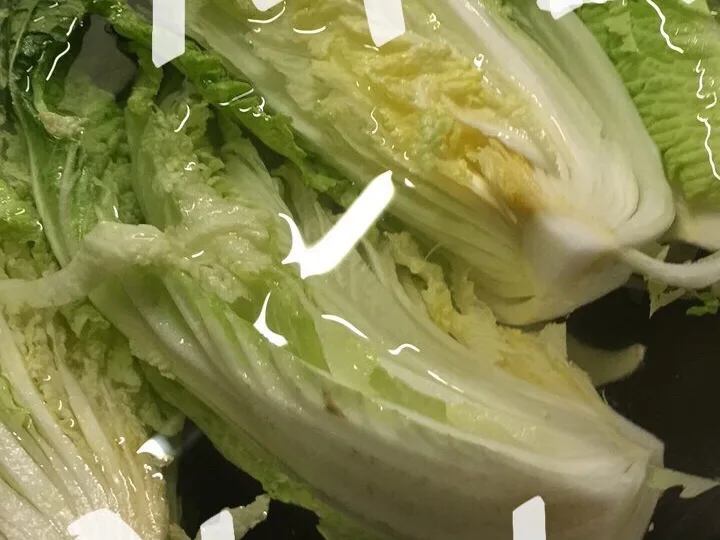
The first step to successful kimchi making is properly salting the napa cabbage. This process draws out excess water, tenderizes the leaves, and prepares them for the seasoning. Use coarse sea salt (kosher salt works as a substitute) to salt the thick stem parts of the cabbage halves, letting them wilt for about 6 to 8 hours. After salting, rinse the cabbage thoroughly 3 to 4 times under cold water and drain well to remove excess salt.
The seasoning paste is equally crucial for flavor. While personal preference plays a role, adhering to a balanced ratio of key ingredients is essential. A good starting point is 1 cup of gochugaru (Korean chili flakes), 1/2 cup of fish sauce (anchovy or salted shrimp), 2 tablespoons of minced garlic, 1 teaspoon of minced ginger, and 1 tablespoon of sugar. For added sweetness and depth, consider blending in some onion or pear. You can find gochugaru and fish sauce at Korean markets like H Mart or online via Amazon.
Kimchi Fermentation: When and How for Peak Flavor
After preparing your kimchi, the fermentation process is key to developing its signature tangy flavor. While you can enjoy it immediately after making, it truly shines after a period of fermentation.
The speed of fermentation depends heavily on temperature. Leaving the kimchi at room temperature for about 24 hours before refrigerating typically yields a pleasant, slightly fermented taste. For a deeper, more complex flavor, slow fermentation at a low temperature in a kimchi refrigerator or a regular fridge is recommended. To prevent it from becoming overly sour, ensure the kimchi is stored in an airtight container and check its condition periodically. Releasing any built-up gases during fermentation is also important for maintaining freshness.
Common Kimchi-Making Mistakes to Avoid
To ensure a successful batch of kimchi, be mindful of a few common pitfalls. Firstly, insufficient salting or rinsing of the cabbage can lead to a bitter taste or mushy texture. Secondly, an unbalanced seasoning paste can significantly impact the overall flavor, so tasting and adjusting as you go is vital.
Thirdly, adding too much seasoning at once might prevent it from integrating well with the cabbage. Lastly, using a non-airtight container can expose the kimchi to air, accelerating spoilage. While personal taste allows for adjustments, beginners should stick closely to a reliable recipe. Kimchi making is a skill that improves with practice, so don't be discouraged if your first attempt isn't perfect!
Discover more kimchi-making secrets in the original article.