Making your own natural lip balm with aroma oils in 2026 is simpler than you might think. Using natural ingredients like coconut oil and calendula oil, combined with essential oils such as tea tree, lavender, and orange, you can create a moisturizing and safe lip balm tailored to your preferences.
Why Make Your Own Natural Lip Balm in 2026?
With a growing interest in health and natural living, there's a clear demand for products with minimal chemical ingredients. For lip balm, which is applied directly to the lips, creating your own with safe components is becoming increasingly popular. Making natural lip balm with aroma oils offers the unique advantage of reflecting your personal taste and ensuring the freshness of your ingredients, going beyond simply purchasing a product. Many users report a deeper level of moisture and comfort compared to commercial options. In 2026, embrace this trend and craft your own special natural lip balm.
What Ingredients Do You Need for Natural Lip Balm (2026)?
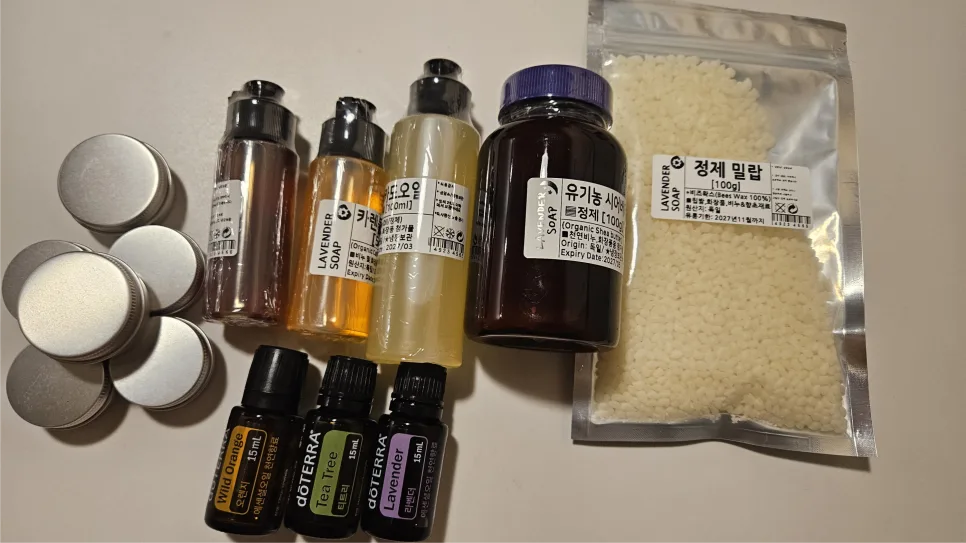
To create natural lip balm, you'll need a few key ingredients. For approximately two 0.68 fl oz (20ml) lip balms, the base typically includes 0.07 oz (2g) of coconut oil, 0.14 oz (4g) of calendula oil, 0.14 oz (4g) of avocado oil, 0.14 oz (4g) of beeswax, and 0.07 oz (2g) of shea butter. For added moisture and preservation, incorporate 0.07 oz (2g) of Vitamin E. Then, select your preferred aroma oils for scent and benefits: for instance, 4 drops of tea tree oil, 6 drops of lavender oil, and 6 drops of orange oil can provide a subtle fragrance and calming effect. Precise measurement is crucial, especially for beeswax, which dictates the balm's firmness. Experimenting with different oil combinations can help you develop your signature lip balm.
How to Make Natural Lip Balm with Aroma Oils (2026 Step-by-Step Guide)
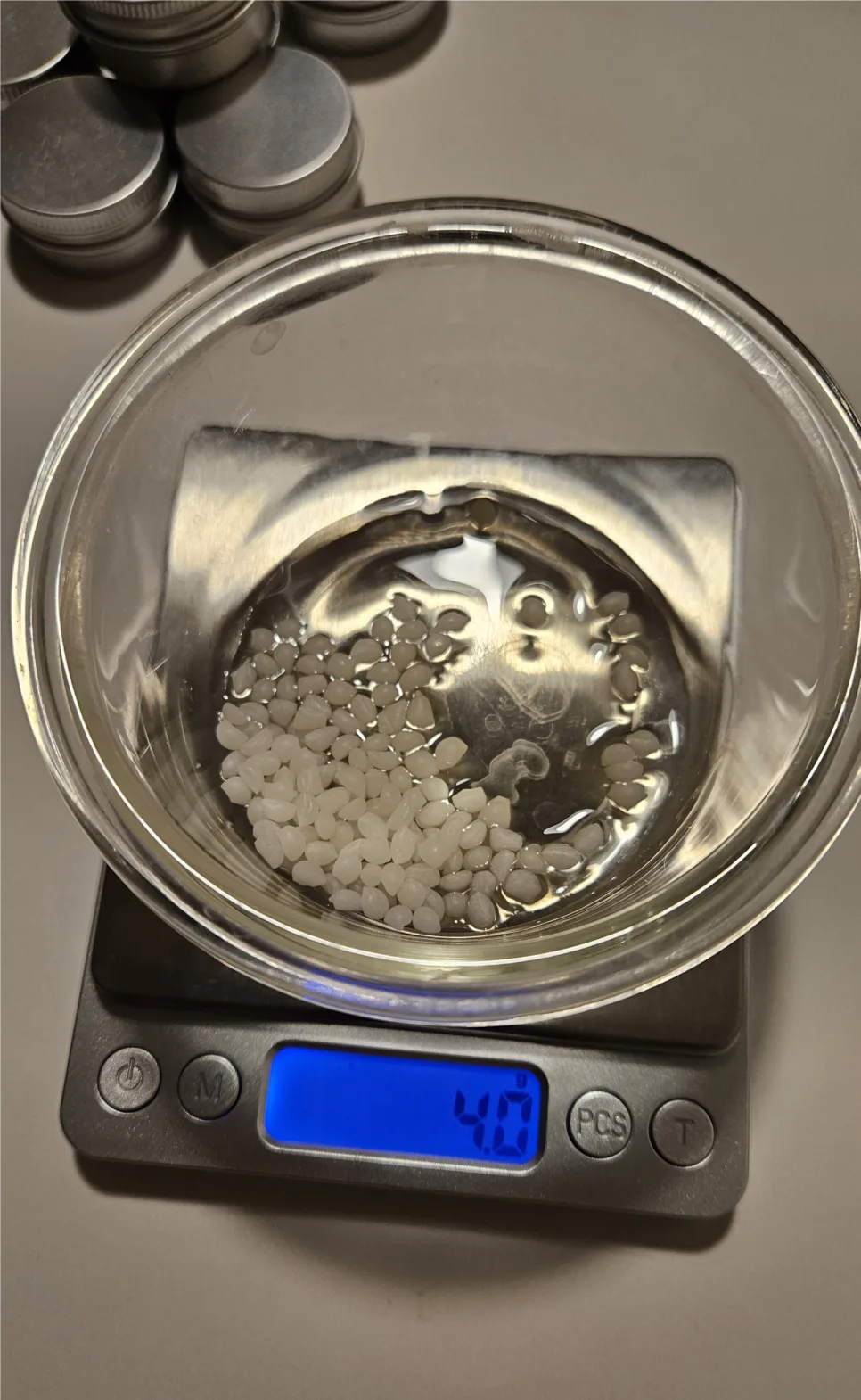
Crafting your aroma oil natural lip balm involves four main steps. First, measure and combine the beeswax, shea butter, calendula oil, coconut oil, and avocado oil in a heat-safe container. Second, gently melt these ingredients over low heat. A double boiler method is safest; avoid using a microwave, as it can scorch the ingredients. Ensure no steam gets into the oil mixture. Third, once fully melted, remove from heat and quickly stir in the Vitamin E and your chosen aroma oils. The mixture will start to solidify as it cools, so act fast. Fourth, carefully pour the liquid balm into your prepared lip balm containers. While it will set in about 2 hours, it's best to let it cure overnight before use.
What Precautions Should You Take When Making Natural Lip Balm (2026)?
When making natural lip balm, keep a few important points in mind. Firstly, accurate measurement of all ingredients is vital. The amount of beeswax, in particular, affects the balm's firmness, so you can adjust it in future batches to achieve your desired consistency. Secondly, be cautious of steam entering the mixture during the double boiler process. Thirdly, aroma oils can affect individuals differently, so it's wise to use them sparingly initially or perform a patch test, especially if you have sensitive skin. Lastly, consider your container choice; if using aluminum tins, a very firm balm might be difficult to apply with fingers. In such cases, reduce the beeswax or opt for stick containers. Given the YMYL nature of this topic, individual skin types and potential allergies vary, so consulting a professional for ingredient selection is recommended.
For more details, check the original source below.