Starting your own cafe in 2026 involves navigating key decisions about total investment, cost-saving tactics, and strategies for recouping your initial expenses. Understanding these factors is crucial for a successful launch and long-term operation.
What's the Total Investment for Starting a Cafe in 2026?
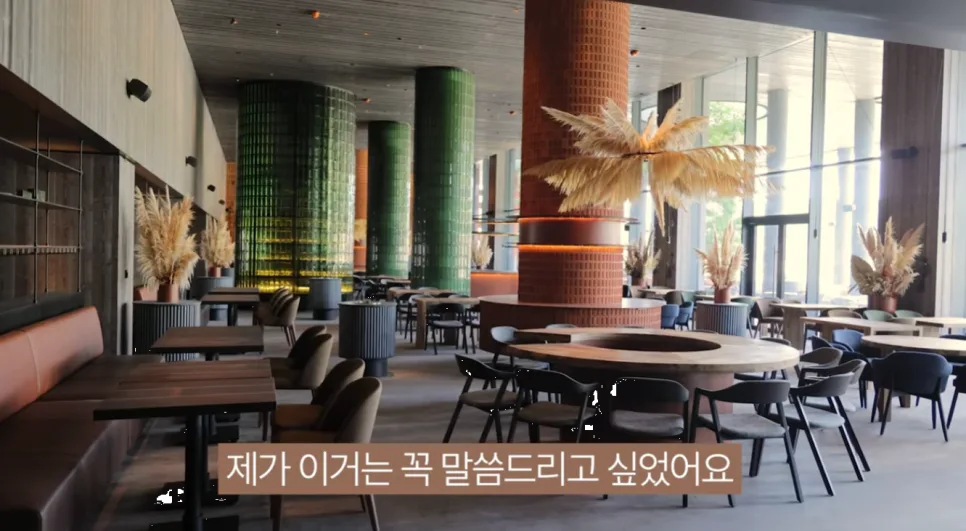
While the total investment for a solo cafe can vary significantly based on location, size, and interior design choices, a 10-pyeong (approximately 350 sq ft) space typically requires a minimum of $30,000 to $65,000 USD. This includes rent and key money (deposit), interior renovations, kitchen equipment, furniture, and initial inventory. High-traffic areas with premium key money can push this figure much higher. It's vital to analyze the location carefully, ensuring the monthly rent doesn't exceed 10-15% of your projected revenue. Remember, an 'Instagrammable' interior is less critical than efficient workflow and space planning for long-term operational success.
What Are Realistic Ways to Reduce Initial Startup Costs?
To effectively cut down on your cafe startup costs, focus on practical strategies. Firstly, prioritize the layout and design based on your essential equipment needs, not just aesthetics. Confirming the specifications and dimensions of your espresso machine, grinders, refrigerators, and other vital kitchen appliances before finalizing floor plans helps prevent costly electrical or space-related errors and rework. Secondly, consider incorporating high-quality, certified used equipment for key items. This can significantly lower your capital expenditure without compromising performance. Thirdly, when selecting furniture, opt for pieces that balance customer comfort and seating capacity with your store's turnover rate, maximizing the value of your initial investment and enhancing operational efficiency.
What Menu and System Strategies Should Be Considered for Faster ROI?
Beyond minimizing initial expenses, a swift return on investment (ROI) is paramount for cafe sustainability. Develop a menu strategy that emphasizes higher-margin items and implement systems to cultivate customer loyalty. Consider creating signature drinks, offering seasonal specials, or establishing a loyalty program to encourage repeat business. For instance, optimizing the kitchen layout with short, straight plumbing for water and drainage, and setting counter heights based on the actual workflow of your baristas, can lead to long-term savings in labor and reduce physical strain. If you're leasing a property in an older building, thoroughly inspect the plumbing for signs of rust or leaks to avoid unexpected repair costs that could derail your budget.
What Are Common Mistakes to Avoid When Starting a Cafe?
A frequent pitfall for new cafe owners is overemphasizing interior aesthetics at the expense of operational functionality. Focusing solely on design without considering equipment placement and workflow can lead to disruptions and expensive renovations down the line. Another common error is choosing a prime location without thorough market research or committing to a lease where rent exceeds 15% of projected income. Experienced cafe owners often stress the importance of selecting a location that aligns with a clear target audience and understanding the local market. Prioritizing practical aspects, such as designing floor plans around equipment specifications and setting ergonomic workstation heights, is key to preventing costly mistakes and ensuring smooth day-to-day operations.
Consult with experts for detailed startup planning.