Keep your eggs fresh for longer and avoid waste with these expert-approved storage tips for 2026. Learn to select the freshest eggs by checking the production date, store them in the coldest part of your fridge, and never wash them before storing. Discover how to maximize their shelf life and safely use eggs nearing their expiration date.
What's the Best Way to Choose Fresh Eggs in 2026?
Selecting the freshest eggs is the first step to ensuring they last longer in your kitchen. Since 2017, South Korea has mandated the printing of production dates on eggshells, a practice that helps consumers pick the most recently laid eggs. When shopping in the US, look for the freshest date available on the carton. Fresh eggs typically have a clean, smooth shell with a slight sheen, and you shouldn't hear much sloshing when you gently shake them. Always inspect the carton for any cracked or broken eggs before purchasing. For US consumers, checking the 'best by' date on the carton is crucial, aiming for the furthest date possible.
Why Should Eggs Be Stored in the Coldest Part of Your Refrigerator?
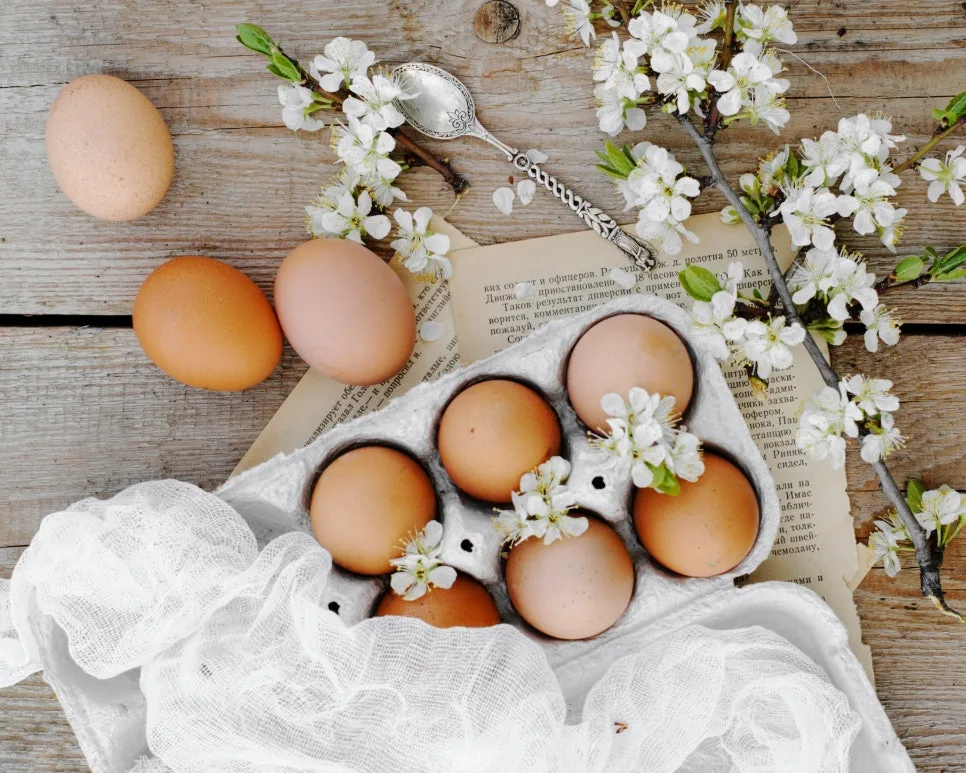
The key to maintaining egg freshness is consistent, cool temperatures. While many people store eggs in the refrigerator door, this is actually the worst place due to frequent temperature fluctuations. Research from 2014 indicated that storage temperature, rather than just duration, significantly impacts egg freshness, with stable temperatures being ideal. Therefore, the coldest part of your refrigerator, typically the back or a dedicated shelf, is the optimal location for storing eggs. Storing them pointy-end down also helps maintain freshness by keeping the air cell at the top, minimizing spoilage.
Should You Wash Eggs Before Storing Them?
Eggshells have a natural protective coating called the cuticle, which acts as a barrier against bacteria and prevents moisture loss. Washing eggs before storage removes this vital layer, making the shell more porous and susceptible to bacterial invasion. This can significantly shorten their shelf life and increase the risk of spoilage. Additionally, eggshells have thousands of tiny pores that can absorb odors. Storing eggs near strong-smelling foods like kimchi, onions, or certain cheeses can cause the eggs to absorb these odors, impacting their flavor and freshness. It's best to store eggs in their original carton, away from pungent items.
How Can You Store Eggs Nearing Their Expiration Date?
Eggs nearing their expiration date can still be used effectively, especially for baking and cooking. You can extend their usability by freezing them. Crack the eggs into a bowl, whisk them lightly, and then portion them into airtight containers or freezer bags. Frozen eggs maintain their nutritional value and are perfectly suitable for most recipes after thawing. If your eggs are slightly past their 'best by' date, a simple float test can help determine their freshness. Fresh eggs sink to the bottom, while older eggs may stand on end or float. While floating doesn't always mean spoilage, it indicates significant age. Always trust your senses: if the egg smells off or looks unusual after cracking, it's best to discard it for safety.
Learn more about the best egg storage methods in the original article.