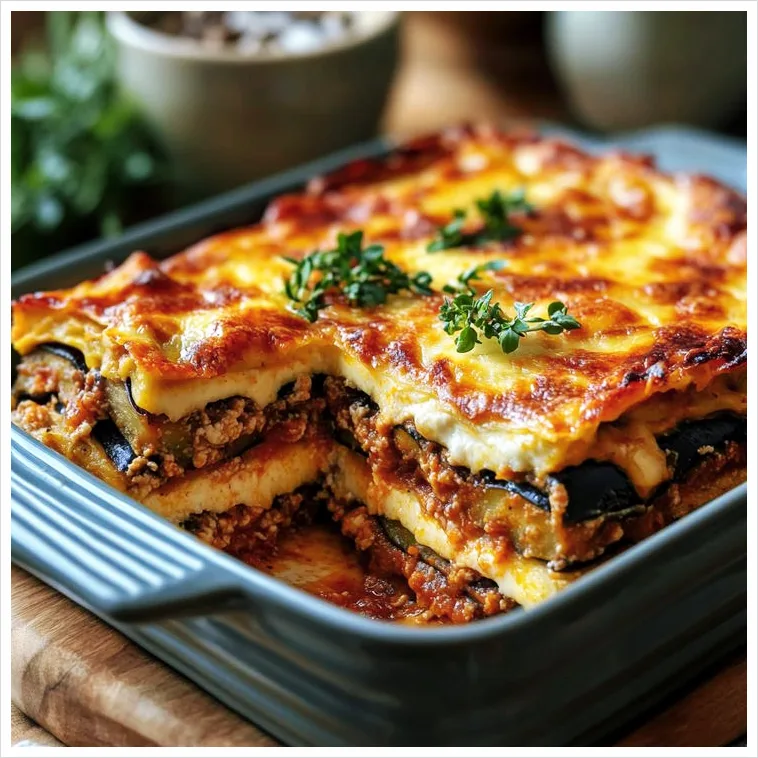
As of 2026, pasta made from durum wheat semolina is considered a 'good carb' that can be enjoyed healthily even during a diet, thanks to its lower glycemic index compared to refined flour noodles. Durum wheat pasta is higher in protein and digests slower than regular flour, helping you feel full longer.
Why Can Pasta Be Considered a Diet Food?
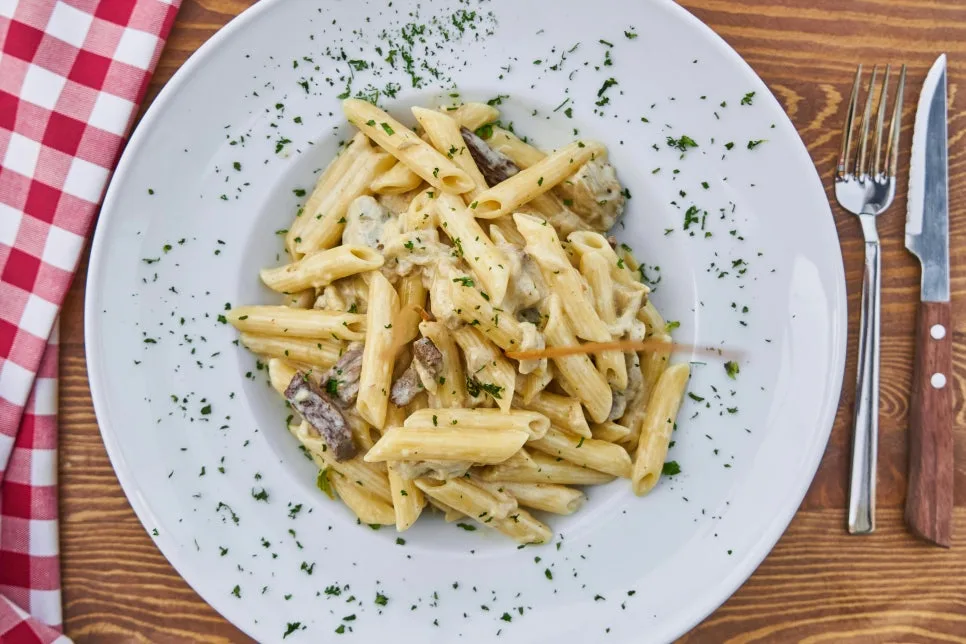
Many people give up pasta first when starting a diet, believing refined flour noodles quickly raise blood sugar and cause weight gain. However, pasta, a staple in Italian cuisine, has different nutritional properties than instant noodles or ramen. When I managed my diet and successfully lost weight, pasta was an excellent carbohydrate source I could enjoy guilt-free. The key ingredient in pasta, 'durum wheat semolina,' has coarser grains and about 1.5 to 2 times more protein than regular wheat, classifying it as a 'complex carbohydrate.' This helps prevent blood sugar spikes by slowing down digestion and absorption.
How Does Pasta's Low GI Contribute to Health?
The core of dieting is minimizing rapid fluctuations in blood sugar levels, known as 'blood sugar spikes.' The GI (Glycemic Index) measures how quickly food turns into sugar in the body, clearly showing pasta's health benefits. While white rice has a GI of around 84 and regular noodles around 80, pasta typically ranges from 40-50, similar to or lower than brown rice. This is because the coarse grain structure of durum wheat slows down digestion and absorption significantly. I personally experienced that on days I ate pasta for lunch, I felt full throughout the afternoon and had fewer cravings for snacks. This low-GI characteristic makes blood sugar management easier, positively impacting weight management goals.
What's the Science Behind Cooking Pasta 'Al Dente'?
The Italian tradition of cooking pasta 'al dente,' meaning firm to the bite, has health-related reasons. When pasta is overcooked, the starch granules gelatinize completely and are quickly broken down by digestive enzymes. However, when cooked al dente, the starch granules are not fully destroyed, requiring more time for digestive enzymes to act. This consequently slows down the rate of blood sugar increase, contributing to a healthier eating pattern. Therefore, to maximize pasta's nutritional benefits, adhering to the recommended cooking time is crucial.
What's the Guide to Healthy Pasta Sauces and Preparation?
While pasta itself is a healthy carbohydrate, the overall calorie and nutritional balance can vary greatly depending on the sauce. Creamy pasta dishes loaded with cream and bacon can be high in calories and fat, making them unsuitable for a diet. My recommended healthy pasta style is based on 'aglio e olio.' Using plenty of good quality extra virgin olive oil, adding flavor with garlic and red pepper flakes, and then incorporating lean protein like chicken breast, shrimp, and vegetables like broccoli creates a well-balanced meal. Enjoying pasta this way allows you to savor the taste while maintaining good health.
What Should You Watch Out For When Eating Pasta?
To enjoy pasta healthily, keep a few points in mind. First, when buying pasta, always choose products labeled '100% Durum Wheat Semolina.' Second, stick to the recommended cooking time on the package (usually 7-8 minutes) to maintain an 'al dente' texture. Third, opt for olive oil, tomato, or vegetable-based sauces over store-bought creamy ones, and add plenty of vegetables to increase fiber intake. Finally, rinsing pasta with cold water is not recommended as it can remove starch, reducing sauce adhesion, and may lower nutrient absorption when combined with olive oil in a warm state. Considering these factors will help you enjoy pasta more healthily.
For more details on healthy pasta consumption, check the original source below.