In 2026, mastering a simple anchovy noodle soup recipe is a smart way to reduce reliance on takeout and save money. With a secret anchovy broth technique and tips for perfectly cooked noodles, you can easily recreate delicious Korean banquet noodles at home.
What's the Secret to Delicious Anchovy Noodle Soup Broth?
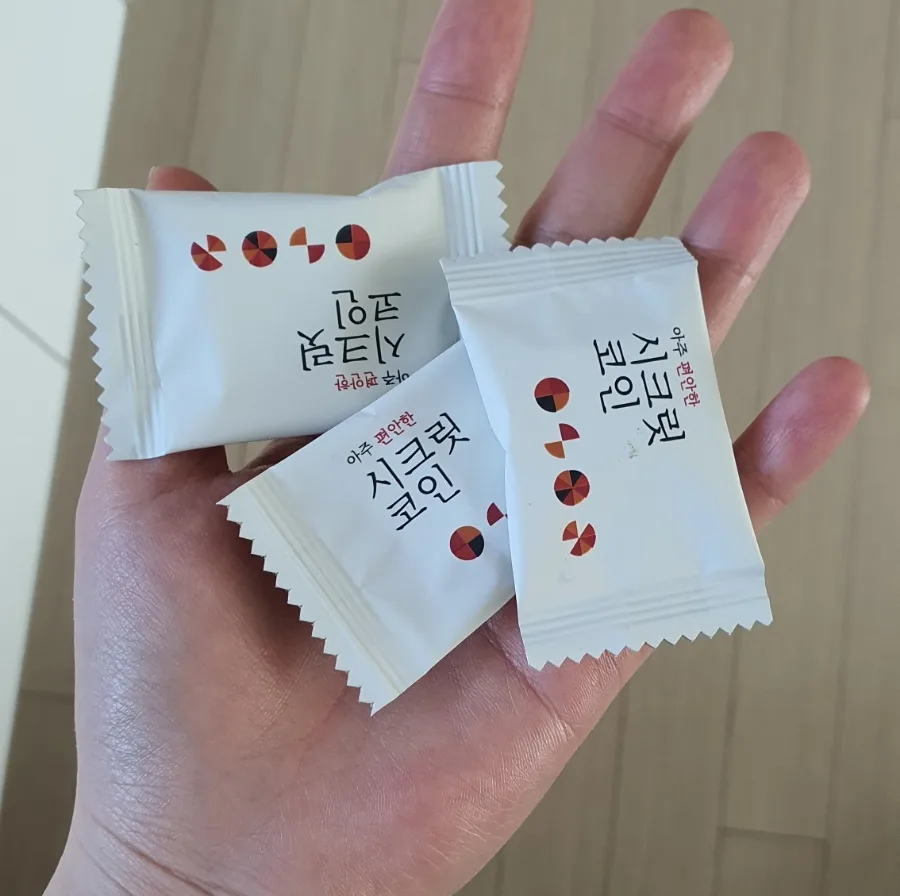
The key to a great homemade anchovy noodle soup broth lies in fresh ingredients and the right proportions. For instance, my family used to spend around $300-$350 monthly on takeout, but we've shifted to cooking at home more often. Noodle dishes are a favorite, and anchovy broth is essential. My mother’s secret weapon is a “secret coin” broth pack, which creates a deep, savory broth without needing separate anchovies or dried shrimp. This pack significantly cuts down on prep time and the hassle of cleaning seafood.
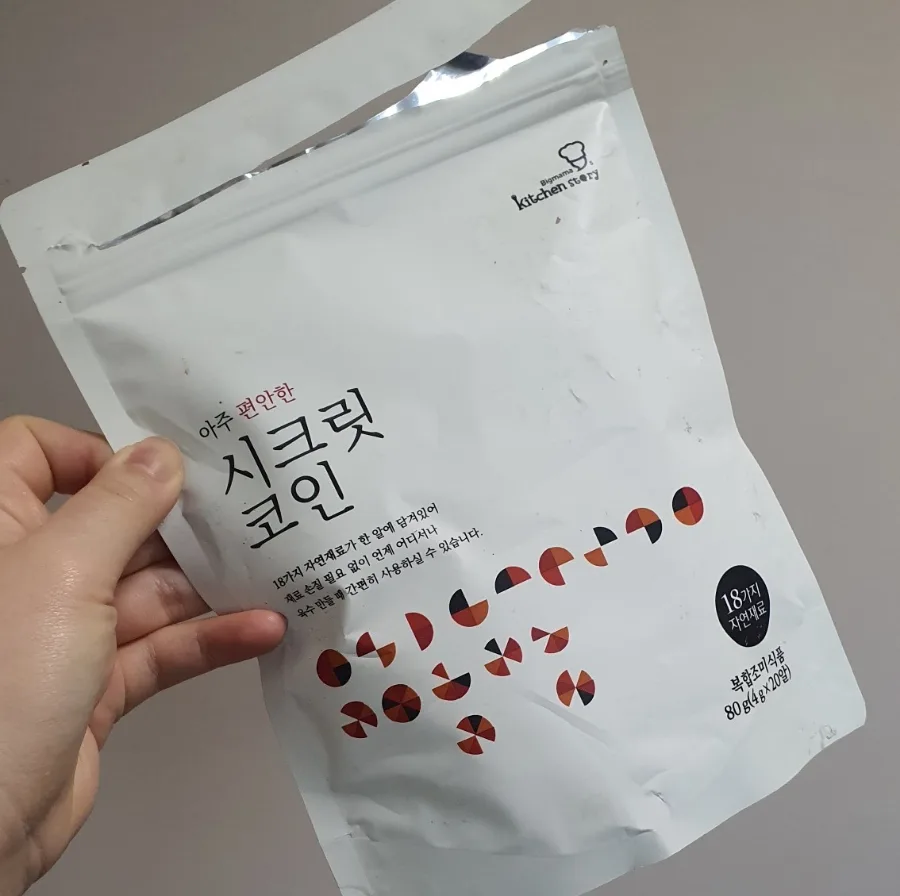
By simmering it with common vegetables like onions and carrots, along with some fish cakes, you get a flavorful broth that rivals restaurant versions. It’s best to season it slightly lighter, considering it will be paired with kimchi.
How to Cook Noodles So They're Chewy and Not Mushy?
Related Articles
The key to a delicious anchovy noodle soup is perfectly cooked noodles. When boiling your noodles, bring a large pot of water to a rolling boil. Add the noodles and, just as the foam is about to overflow, add a cup of cold water to lower the temperature. Repeat this cold water addition process twice more. This technique makes the noodles chewy and prevents them from becoming mushy. After the third boil, turn off the heat. Drain the noodles in a colander, but instead of rinsing them with cold water, gently toss them with your hands while still in the colander. This prevents the noodles from sticking together. This method ensures that even 1 lb (about 450g) of medium noodles can be enjoyed as two satisfying servings.
What Foods Pair Well with Anchovy Noodle Soup?
While anchovy noodle soup is satisfying on its own, a few complementary side dishes can elevate the meal. The classic pairing is, of course, well-fermented kimchi. Its spicy, crunchy texture cuts through the mildness of the soup beautifully. If you have fresh scallions and sesame seeds on hand, sprinkle them on top as a garnish for added flavor and visual appeal. Including fish cakes in the broth itself adds a delightful chewy texture. For an extra refreshing element, consider adding thinly sliced radish. With these simple additions, you can create a restaurant-worthy banquet noodle experience right in your own kitchen.
What Are Practical Tips for Reducing Takeout Expenses?
Cutting down on takeout costs requires more than just cutting back on ordering out; it involves improving your eating habits and strategic planning. First, create a weekly meal plan and a corresponding grocery list to ensure you only buy what you need. Second, dedicate time on weekends or during your downtime to prepare base ingredients like homemade broth or side dishes, storing them in the refrigerator for quick weekday meals. Third, set small rewards for yourself when you choose to cook at home instead of ordering in. This could be a special dessert you make yourself or a small kitchen gadget you’ve been wanting. Finally, make cooking a social activity by inviting friends or family over to cook together; it’s fun and can improve your culinary skills. These efforts combined will significantly reduce your spending on takeout.
For more details, check the original source below.