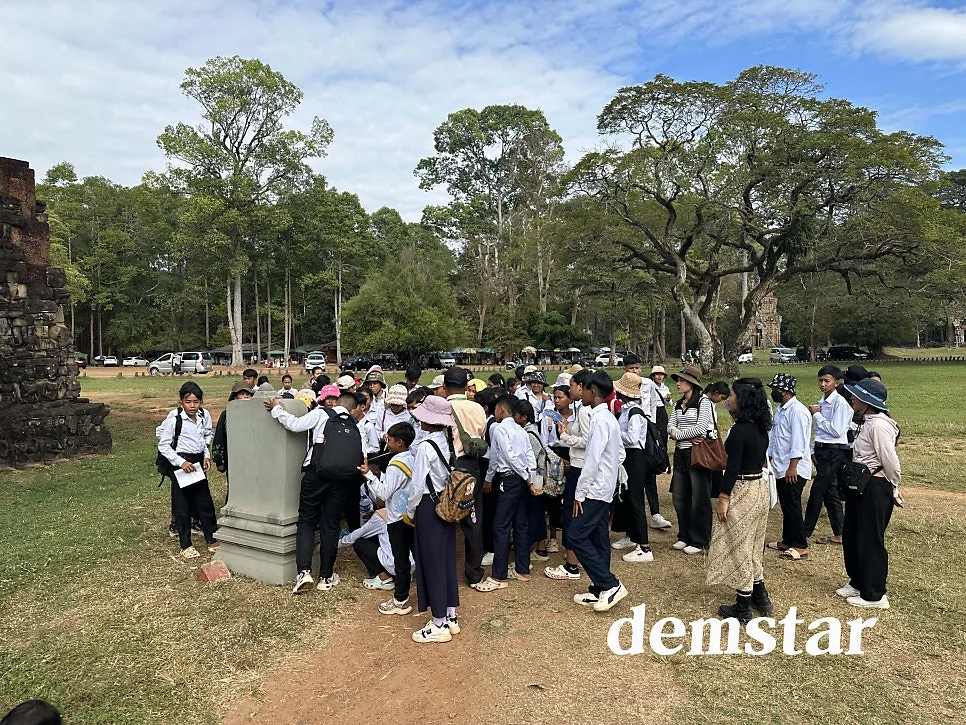
While Cambodia's Angkor Wat is world-famous, the Leper King Terrace (also known as the Terrace of the Leper King) offers a more mysterious glimpse into the Khmer Empire. Though sometimes attributed to King Jayavarman VII, its unique structure and the enigmatic statue atop it raise questions, earning it the nickname 'Terrace of the Leper King' due to the statue's possible depiction of a king suffering from leprosy. The original statue is now housed in the National Museum of Cambodia in Phnom Penh.
What is Cambodia's Leper King Terrace?
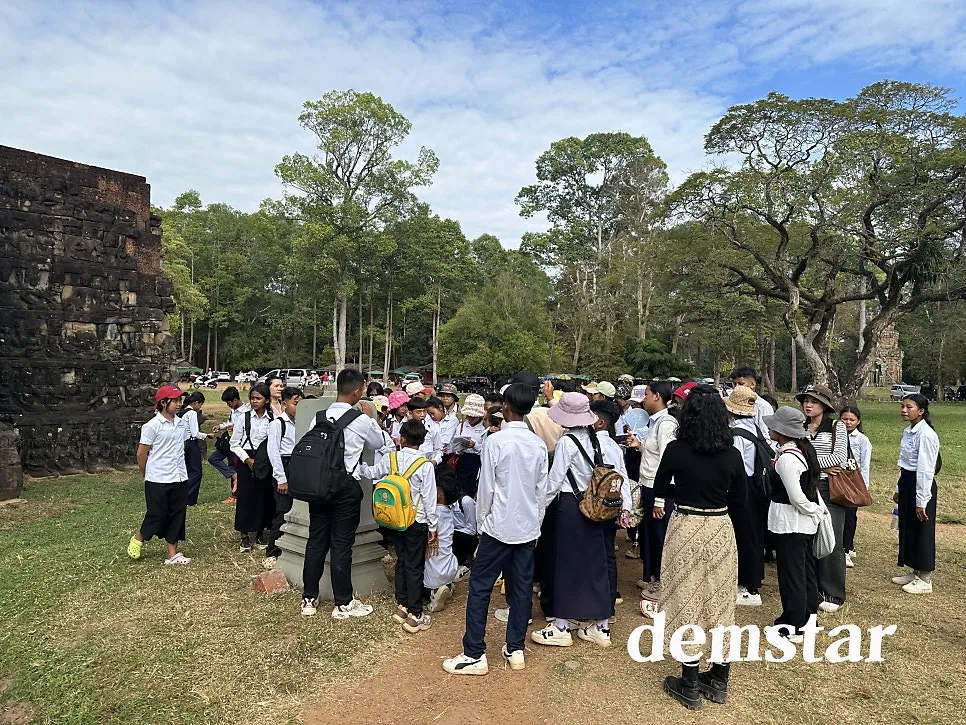
Within the vast Angkor archaeological park lie many sites shrouded in mystery, with incomplete historical records. The Leper King Terrace is one such enigmatic structure. While some theories suggest it was built by King Jayavarman VII in the late 12th century, the terrace's distinctive architecture and the statue it holds have led to ongoing debate and research among historians. The nickname 'Terrace of the Leper King' stems directly from the statue found on the upper level. This statue, a replica of which stands on the terrace today, depicts a seated figure, believed by some to represent Yasovarman I, a significant Khmer king rumored to have suffered from leprosy. The original, more fragile statue is now safely preserved and displayed at the National Museum of Cambodia in Phnom Penh. The precise purpose and construction date of the terrace remain subjects of academic study, making it a fascinating historical puzzle.
Why is the Leper King Terrace Called 'Terrace of the Leper King'?
The primary reason the Leper King Terrace is often called the 'Terrace of the Leper King' is the striking statue situated on its upper level. This sculpture portrays a seated male figure, which has led to interpretations linking it to Yasovarman I, a prominent Khmer king from Cambodia's history who is said to have had leprosy. While the exact evidence connecting the statue to Yasovarman I's affliction is not definitive, the imagery is thought to symbolically represent his physical suffering. The statue you see at the terrace today is a replica; the original artifact is carefully preserved and exhibited at the National Museum of Cambodia in the capital city, Phnom Penh. This combination of the statue's appearance and its historical association has cemented the 'Terrace of the Leper King' as its widely recognized moniker. The terrace serves as a compelling entry point into the complex and layered history and culture of the Angkorian era.
What Should You Know Before Visiting the Leper King Terrace?
When planning a visit to Cambodia's Angkor ruins, including the Leper King Terrace, it's essential to be aware of a few key guidelines. Firstly, as a UNESCO World Heritage site, the Angkor complex adheres to strict dress codes. Visitors are required to wear clothing that covers their shoulders and knees out of respect for the sacred sites. This is a crucial aspect of showing reverence for the historical and cultural significance of the ruins. Secondly, always follow the designated pathways and signage within the complex. Venturing off-path or attempting to climb on structures can lead to damage and is strictly prohibited. Lastly, be mindful of photography rules; flash photography is often disallowed inside certain areas, so check for signs or ask guides beforehand. Additionally, consuming food and beverages or smoking is generally restricted within the temple grounds to preserve their condition.
For more details, check the original source below.