Planning a trip to Korea in 2026? This guide covers everything from visa requirements and budgeting in USD to navigating Seoul's vibrant neighborhoods and experiencing unique cultural activities like temple stays. Discover the best times to visit, essential transportation tips, and how to immerse yourself in the Hallyu wave.
What are the essential steps for planning a trip to Korea in 2026?
Embarking on a Korean adventure requires careful planning, especially for first-time visitors. Understanding the visa-free entry for US citizens, which allows stays up to 90 days with a registered K-ETA (Korea Electronic Travel Authorization, approximately $10 USD), is crucial. Beyond the official requirements, immersing yourself in Korean culture is key. This means familiarizing yourself with basic Korean etiquette, learning a few essential phrases (like 'Annyeonghaseyo' for hello and 'Kamsahamnida' for thank you), and understanding the concept of 'Jeong' – a deep sense of connection and affection. While English is spoken in tourist areas, knowing a little Korean goes a long way. For instance, understanding the nuances of ordering food or asking for directions can significantly enhance your experience. The best times to visit are spring (March-May) for cherry blossoms and autumn (September-November) for pleasant weather and vibrant foliage, avoiding the intense heat of summer (July-August) and the cold of winter (December-February).
How can I navigate transportation and neighborhoods in Seoul?
Seoul's public transportation system is world-class, making it easy to explore its diverse neighborhoods. The AREX (Airport Railroad Express) from Incheon International Airport (ICN) to Seoul Station offers a quick and efficient transfer, costing around $9 USD. Taxis are also available, typically ranging from $65-80 USD to the city center. Once in Seoul, the subway system is extensive and user-friendly, with most signs and announcements available in English. Consider purchasing a T-Money card (available at convenience stores and subway stations for about $3 USD plus top-ups) for seamless travel on subways and buses. Must-visit neighborhoods include Hongdae, known for its youthful energy, street art, and indie music scene; Gangnam, the upscale district famous for its high-end shopping and entertainment; Bukchon Hanok Village, offering a glimpse into traditional Korean houses (Hanok); and Myeongdong, a bustling hub for shopping, street food, and K-beauty products.
What unique K-culture experiences should I include in my itinerary?
To truly experience Korea, dive into its rich cultural offerings. For K-pop fans, visiting the SMTOWN MUSEUM (located in COEX Mall, Seoul) offers an immersive journey into the world of K-pop entertainment, showcasing memorabilia and interactive exhibits from major entertainment labels. While specific BTS-related sites are scattered throughout Seoul, exploring areas like the HYBE Insight museum (requires advance booking) or visiting cafes and shops that celebrate the group can be a pilgrimage for fans. A truly unique Korean experience gaining traction among international visitors is a 'Temple Stay' (templestay.com). These programs offer a chance to live like a Buddhist monk for a day or two, participating in meditation, tea ceremonies, and communal meals at serene mountain temples. It's a profound way to connect with Korea's spiritual heritage and find inner peace away from the city bustle.
What are common challenges and tips for a smooth Korea trip?
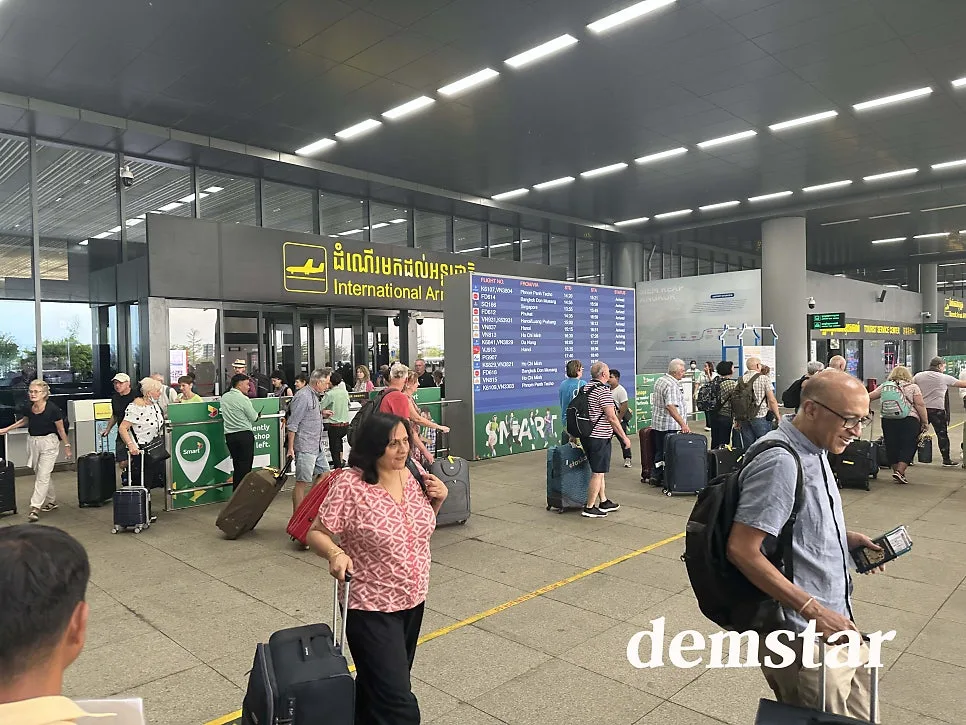
While planning your Korea trip, anticipate potential challenges and prepare accordingly. Language barriers, though diminishing in tourist hubs, can still arise, making a translation app or phrasebook invaluable. Be aware that not all establishments accept credit cards, especially smaller shops or street food vendors, so carrying some Korean Won (KRW) in cash is advisable. For example, ₩10,000 is roughly $7-8 USD. When using ATMs, ensure they are international-friendly. If you encounter issues like lost luggage upon arrival at Incheon Airport (ICN), remain calm and report it immediately to the baggage claim office. Having a luggage tracker like an Apple AirTag can also provide peace of mind. Finally, embrace the unexpected; sometimes the most memorable travel moments come from navigating unforeseen circumstances with a sense of adventure and a positive attitude.
English crawl path
Next English reads from this pilot cluster
Continue through the category hub, latest English stories, and related posts so this translated article is not an isolated URL.
Tags
💬Frequently Asked Questions
What should I check first in Korea Travel Guide 2026: From Seoul to Busan Trip Planning?
Does this World Travel article link back to the Korean source?
Where can I find similar English stories?
English discovery path
Explore more English K-culture stories
Keep browsing the indexed English pilot cluster so Google and readers can move between this story, the category hub, and fresh discovery pages.
Original Source
Read the Korean original