Planning your first trip to Paraguay in 2026? This guide covers essential travel preparations, how to navigate border crossings like the Friendship Bridge, and the fascinating early history of Paraguay, from its colonial past to its early independent years.
- Paraguay's official languages are Spanish and Guaraní.
- The Friendship Bridge connects Ciudad del Este, Paraguay, with Foz do Iguaçu, Brazil.
- Paraguay gained independence from Spain in 1811.
Based on the original Korean blog post and linked source page, translated and summarized by BackToLink for global discovery.
What's the best way to start a trip to Paraguay?
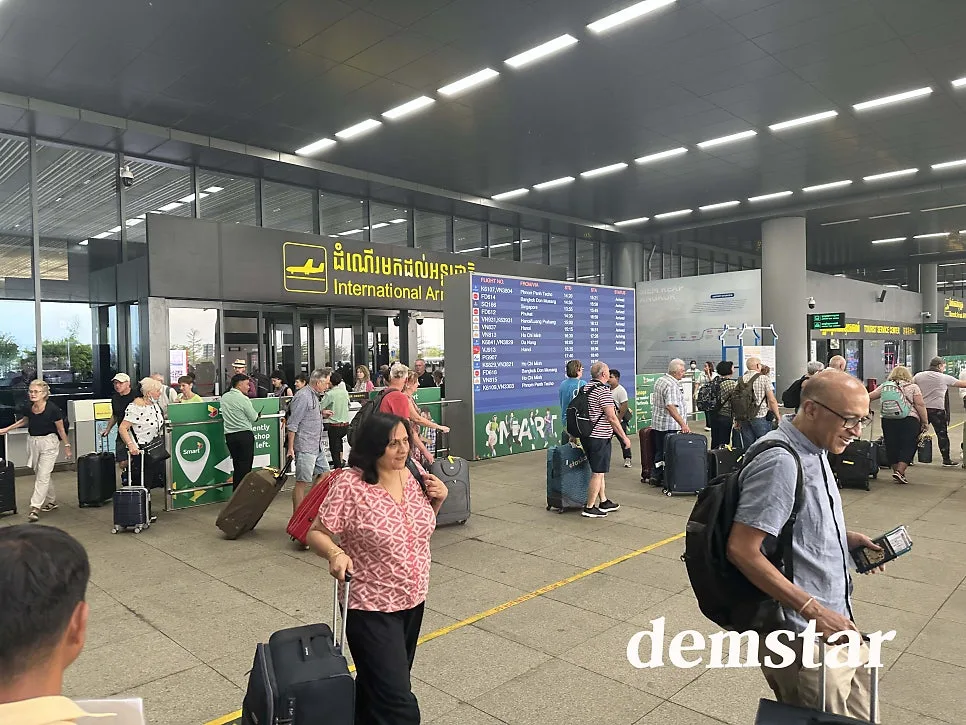
My journey into understanding Paraguay began unexpectedly through my girlfriend, who revealed she was born there. This sparked my curiosity, and about 14 months later, I found myself boarding a flight to this South American nation. This article aims to share my firsthand experiences and insights, providing practical information for those planning a trip to Paraguay in 2026. I'll detail my experience crossing the 'Friendship Bridge' into Ciudad del Este, a border city with Brazil, and delve into Paraguay's rich historical context.
How do you cross the Paraguay-Brazil border via the 'Friendship Bridge'?
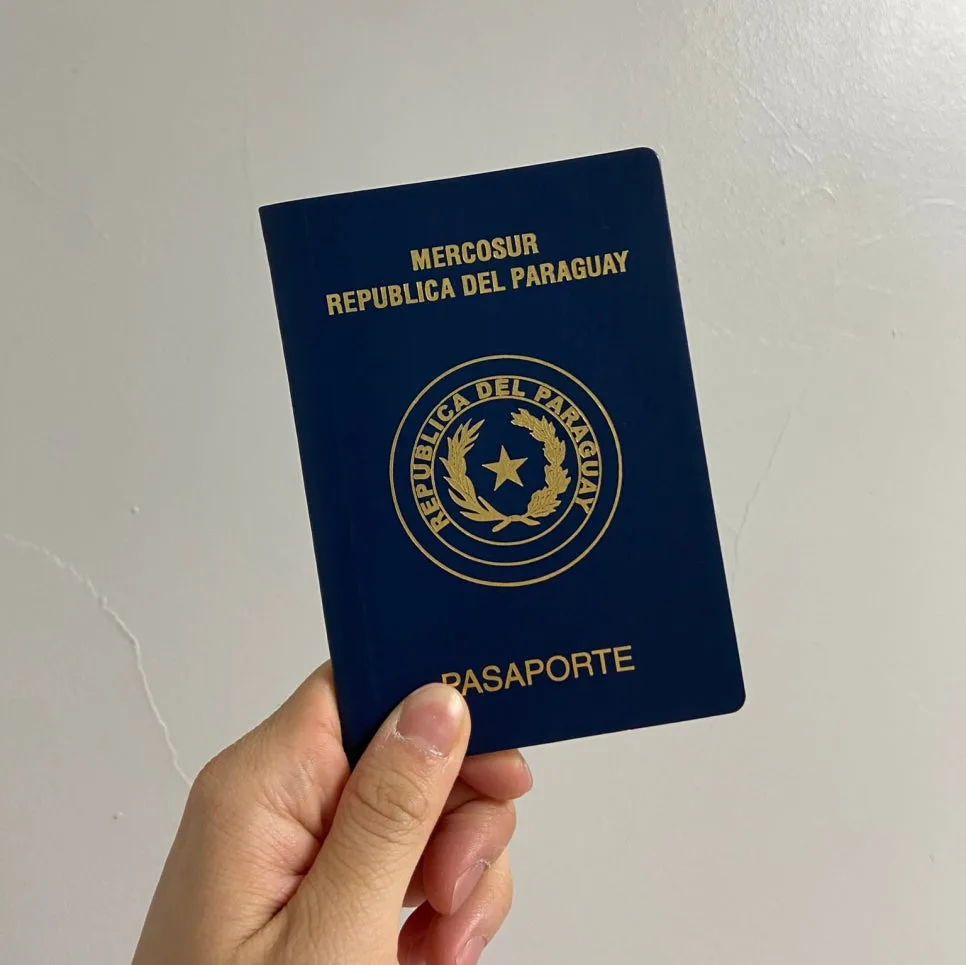
Many journeys into Paraguay begin in Ciudad del Este, a key border city connecting it with Foz do Iguaçu in Brazil. The 'Friendship Bridge' (Puente Internacional de la Amistad) that spans this border is more than just a physical link; it’s a symbol rich with history, connecting two nations and cultures. Crossing the bridge itself is relatively straightforward, but as with any international border, having your passport and necessary documents ready is crucial. Given the bridge's popularity, especially during peak hours in the morning, allow ample time for your crossing. Checking local traffic conditions and customs procedures beforehand, as of 2026, can help ensure a smoother transit.
Paraguay's Early History: From Colonial Rule to Independence
To truly grasp Paraguay's unique identity, we must look back to its formative years. Initially a Spanish colony, Paraguay experienced a distinct period under the governance of the Jesuit Order. Unlike other colonies, the Jesuits maintained a relatively harmonious relationship with the indigenous Guaraní people, laying crucial foundations for the nation. Paraguay declared independence from Spain in 1811, notably without significant armed conflict. Following a period of provisional government, the presidential system was established. Carlos Antonio López, the first president, initiated a long tenure of 26 years, during which Paraguay experienced substantial economic and military growth, becoming a significant player in South America. López actively incorporated European technology, implemented a conscription system, and even established the first railway line in South America, alongside developing steamship manufacturing. His capital, Asunción, was described as a city full of romance during this era.
President Francisco Solano López: The Prelude to War
After Carlos Antonio López's death from illness, his son, Francisco Solano López, assumed the presidency. While he continued many of his father's policies, his foreign policy marked a significant shift. At the time, Paraguay, with a population of around 600,000, was considerably smaller than its neighbors: Argentina had over 1.5 million people, and the Brazilian Empire boasted more than 10 million. Despite this power imbalance, Solano López pursued ambitious foreign policy goals. His intervention in the Uruguayan civil war, supporting the Blanco Party against the Colorado Party (backed by Brazil), escalated tensions with Brazil. When the Colorado Party ultimately triumphed with Brazilian support, the relationship between Paraguay and Brazil became increasingly strained, ultimately leading to one of the most devastating conflicts in Paraguayan history: the Paraguayan War (Triple Alliance War).
Paraguay Travel Tips and Considerations
When planning your trip to Paraguay, keep a few key points in mind. Firstly, while Spanish is the official language, Guaraní is widely spoken, so learning a few basic Spanish phrases will greatly enhance your travel experience. Secondly, although Paraguay is generally safe, exercising standard precautions against petty theft in larger cities and tourist areas is advisable. It's also best to avoid walking alone late at night. Thirdly, cash is still widely used, so carrying sufficient small denominations is convenient, as credit card acceptance can be inconsistent. Fourthly, Paraguay's climate varies significantly: summers (December-February) are hot and humid, while winters (June-August) can be cool. Pack accordingly for the season you plan to visit. Finally, Paraguayan culture, like much of South America, values a relaxed and people-oriented approach. Respecting local customs will undoubtedly lead to a more rewarding experience. Tailor your plans based on your travel style and thorough research into local conditions.
For more details, check the original source below.