Securing a student apartment in Japan for your studies typically begins 1-2 months before your desired move-in date, with the application and screening process taking another 1-2 weeks. While immediate move-in options exist, you'll often need to coordinate the rental start date with your lease agreement. Planning ahead is crucial, especially during peak seasons like January to March, to ensure you find suitable housing that aligns with your budget and lifestyle needs.
Finding Your First Japan Student Apartment (2026 Guide)
When preparing for your study abroad adventure in Japan, finding a place to live is paramount. For international students, this means carefully balancing factors like proximity to your university, monthly rent, and initial setup costs. I started my apartment hunt in mid-January for a mid-March move-in, aiming to align with the start of the academic year. Knowing that January through March is peak season for Japanese real estate, I knew I had to act fast. It’s essential to establish clear criteria for your ideal apartment, tailored to your budget and daily routine. For instance, I prioritized being within a 20-minute walk of my campus, setting a budget of around $570 USD (¥86,000) per month, including utilities. If walking wasn't feasible, I considered narrowing my search to specific train lines (like the Tokyu Oimachi Line) and stations, adjusting my budget to around $460 USD (¥70,000). Drawing from my commuting experience in the US, I decided that investing a bit more in rent for a closer location would significantly enhance my quality of life during my studies.
Navigating the Japanese Apartment Rental Process & Challenges
Related Articles
When searching for an apartment in Japan, it's generally advisable to contact real estate agents about 1-2 months before your intended move-in date. However, during the peak season from January to March, finding desirable properties becomes significantly more challenging. In my experience, trying to limit my search to a very specific area made it difficult to find suitable options. For example, I was looking for apartments within a $570 USD (¥86,000) budget (including utilities) within walking distance of stations like Futako-Tamagawa, Kaminoge, or Todoroki, but very few properties met these criteria. Adding further conditions, such as allowing foreign residents, avoiding ground-floor units with restaurants, or specifying building structure (excluding wood), further narrowed the already limited selection. Initial setup costs can also be surprising; while I budgeted around $2,600 USD (¥400,000), unexpected expenses like key money (reikin), deposit (shikikin), agent fees, insurance, and key replacement fees can add up. Using international student-focused real estate agencies like Azure, Solhousing, or Lapiz Homes can be helpful, but be prepared for properties that may not allow foreign tenants or might already have other applicants in the pipeline, requiring swift action.
Finding an Apartment as a Foreign Student in Japan
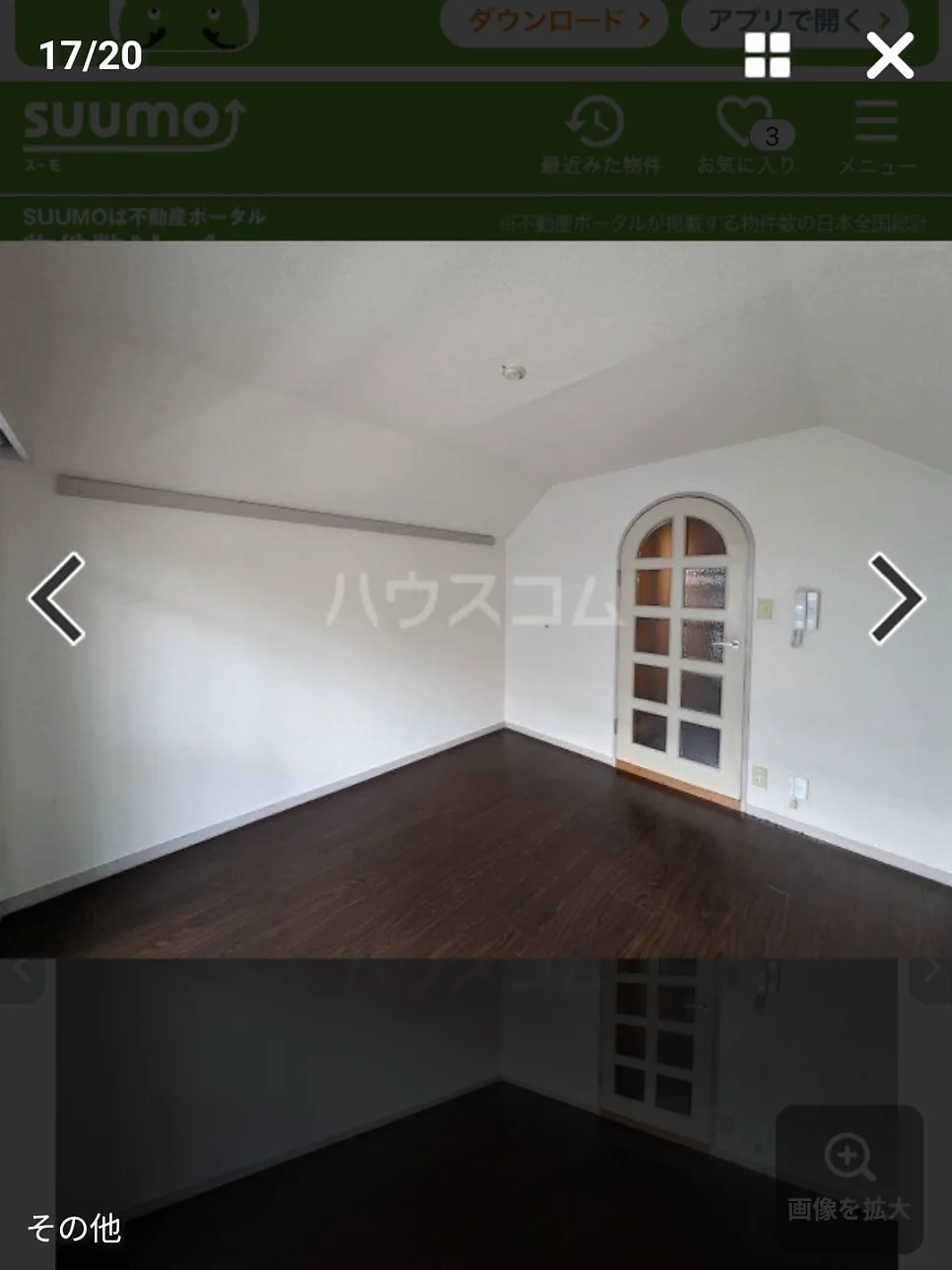
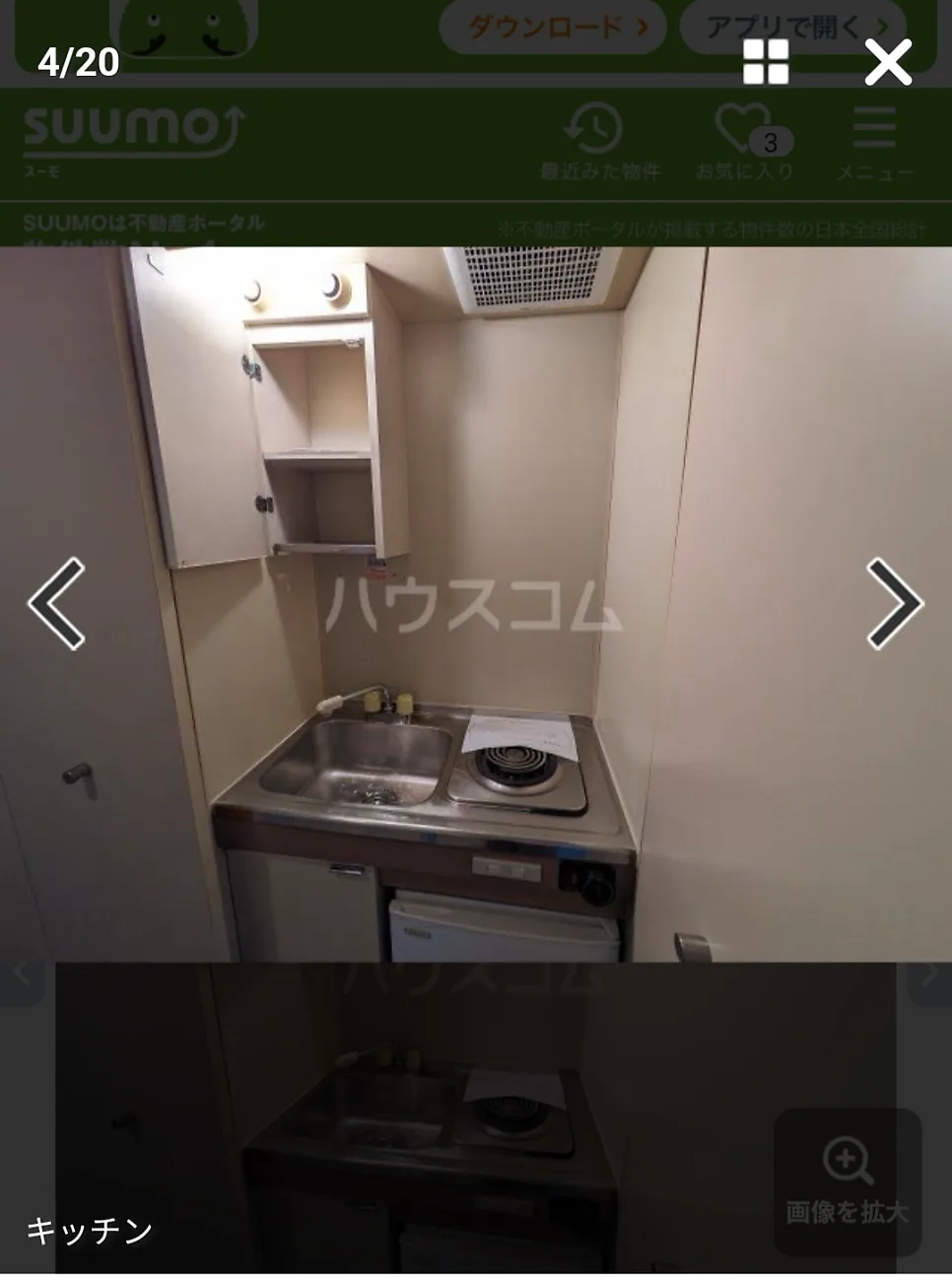
One of the primary hurdles for international students seeking housing in Japan is the language barrier and the complexity of the rental process. Utilizing real estate agencies specializing in international students is a common solution. I initially contacted 'Azure,' which offered consultations via KakaoTalk and video calls to discuss my requirements and receive property recommendations. Although I initially received listings that were not suitable for foreigners or were already taken, the agent's proactive assistance led me to discover foreigner-exclusive platforms like 'Best Estate.' Through these resources, I was able to find properties that better matched my criteria. My agent meticulously checked details like neighborhood safety, potential noise from nearby facilities (like fire stations), and the presence of an elevator. While the final apartment I chose was a few train stops away and required placing the refrigerator in the main living area due to the 1K layout, and lacked an elevator, I realized that sometimes, these compromises are necessary for students. Ultimately, the decision involved weighing the distance to school, budget, and overall living convenience.
Key Considerations When Signing Your Japan Apartment Lease
When signing a lease for an apartment in Japan, several crucial points need attention. First, always confirm that the building explicitly permits foreign residents; some properties have restrictions. Second, understand all associated monthly costs beyond rent, such as common area fees (gaikih) or administrative charges, to accurately calculate your total monthly expenses. Third, be prepared for significant upfront costs, typically ranging from 4 to 6 times the monthly rent, covering the security deposit (shikikin), key money (reikin), agent's commission, insurance, and key replacement fees. Budgeting generously is highly recommended. Fourth, thoroughly review the lease agreement and ask your real estate agent to clarify any terms you don't understand, especially regarding contract duration, termination clauses, and your obligations for restoring the property to its original condition. Finally, consider potential issues like noise or hygiene if the building lacks an elevator or has commercial establishments on the ground floor. Making the best choice often involves balancing these factors based on your personal circumstances, and consulting with a professional is advisable.
For more details, check the original source below.