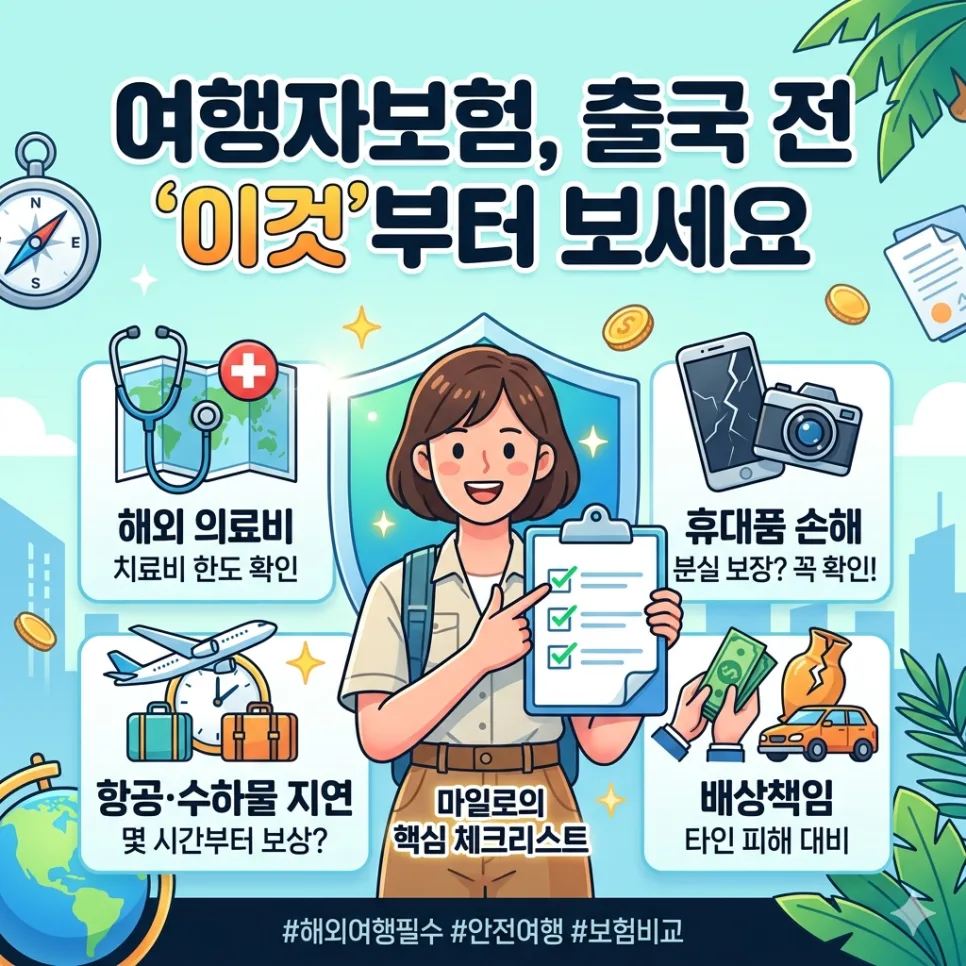
For 2026, travel insurance for your Korea trip is more than just a safety net; it's a crucial financial safeguard against potential risks. For US travelers planning a visit to Korea, understanding essential coverages like medical expenses, lost belongings, flight delays, and liability is key to a worry-free Seoul travel experience.
Why is Travel Insurance Now Essential for Visiting Korea?
In the past, many travelers skipped insurance for shorter trips abroad. However, with the rise of budget airlines, increased participation in adventure activities, and the common practice of carrying high-value electronics, the potential for unexpected expenses has grown significantly. Medical costs in Korea, like in many developed nations, can be substantially higher than in the US. Therefore, travel insurance has become a non-negotiable item for your Korea trip checklist, not just an optional add-on. It's vital to choose coverage that aligns with your travel style and potential risks, rather than just opting for the cheapest policy. I've seen friends face stressful situations abroad due to unexpected medical bills, reinforcing the need for comprehensive coverage before you even depart.
Prioritize 'Overseas Medical Expenses' Coverage
The most critical component of your travel insurance should be overseas medical expense coverage. This isn't just for major injuries but also for common issues like colds, food poisoning, insect bites, or minor sprains that can lead to doctor visits. If you're traveling with family, especially children or elderly parents, this coverage becomes even more important. A low medical coverage limit could mean you're responsible for a significant portion of your medical bills if something unexpected happens. When comparing policies, always check the coverage amounts for overseas accidental injury and illness treatment. This should be a higher priority than coverage for lost items. For instance, a policy might offer $50,000 in medical coverage, which is generally recommended for a trip to Korea, ensuring you're protected against high hospital bills that can easily exceed $10,000-$20,000 for serious incidents.
Understand the Nuances of 'Lost Belongings' Coverage
Many travelers expect their insurance to cover any lost or damaged personal items. While this is a valuable benefit, it's crucial to read the fine print. Most policies exclude coverage for simple misplacement or loss. For example, if your phone is stolen from your hotel room, it might be covered, but if you leave it behind at a cafe, you likely won't be reimbursed. It's essential to verify the policy's terms regarding lost items versus theft. Additionally, even for covered incidents like a damaged smartphone, the actual payout can vary significantly due to deductibles, per-item limits, depreciation, and required documentation. Always check the total coverage amount and the specific conditions that apply.
Flight Delay Coverage: Know the Specific Conditions
Flight delays are an increasingly common issue, especially with international travel to popular destinations like Seoul. While flight delay insurance can be a lifesaver, it doesn't cover every delay scenario. Typically, this coverage reimburses you for additional expenses incurred due to a delay that meets the policy's specific criteria, such as meals, accommodation, or transportation costs. Simply having a flight delayed by an hour might not qualify; the policy will specify a minimum delay duration (e.g., 4-6 hours) and require proof of incurred expenses. It's important to understand these conditions to know when you can file a claim effectively.
Don't Overlook Liability and Post-Trip Medical Coverage
Travel insurance also includes liability coverage, which is essential if you accidentally cause injury or damage to someone else's property. This is particularly relevant if you plan to rent a car in Korea or engage in adventure sports. It can also cover accidental damage to your accommodation. Furthermore, some policies offer post-trip medical coverage, which can be useful if you need further treatment in the US for an injury or illness sustained during your trip. While your US health insurance may cover some of this, travel insurance can fill any gaps. Consider your planned activities and potential risks when selecting these additional coverages to ensure your Korea travel guide includes all necessary precautions.
For more details, check the original source below.