Preparing for your return to Korea after an extended stay, especially after a working holiday, involves more than just packing. It's about making smart, practical choices to save money and bring back meaningful souvenirs. This guide, based on two years of experience, offers essential tips for a smooth transition back to Korea, focusing on realistic preparations and cost-saving strategies that resonate with the realities of living abroad.
What Are the Essential Tips for a 2-Year Working Holiday Returnee?
After spending two years in New Zealand, you'll find that many everyday conveniences are surprisingly similar to what you're used to back home. While New Zealand offers unique experiences, it's wise to leverage your knowledge of what's easily accessible in Korea. Bringing essentials like facial tissues, paper towels, and zip-top bags from Korea can significantly cut down on expenses in New Zealand. Utilizing these items also helps with efficient packing and storage. Consider packing convenient Korean food items like instant rice (햇반) and dried kimchi (건조김치). These not only help reduce spending on eating out but also provide a comforting taste of home, easing any potential homesickness.
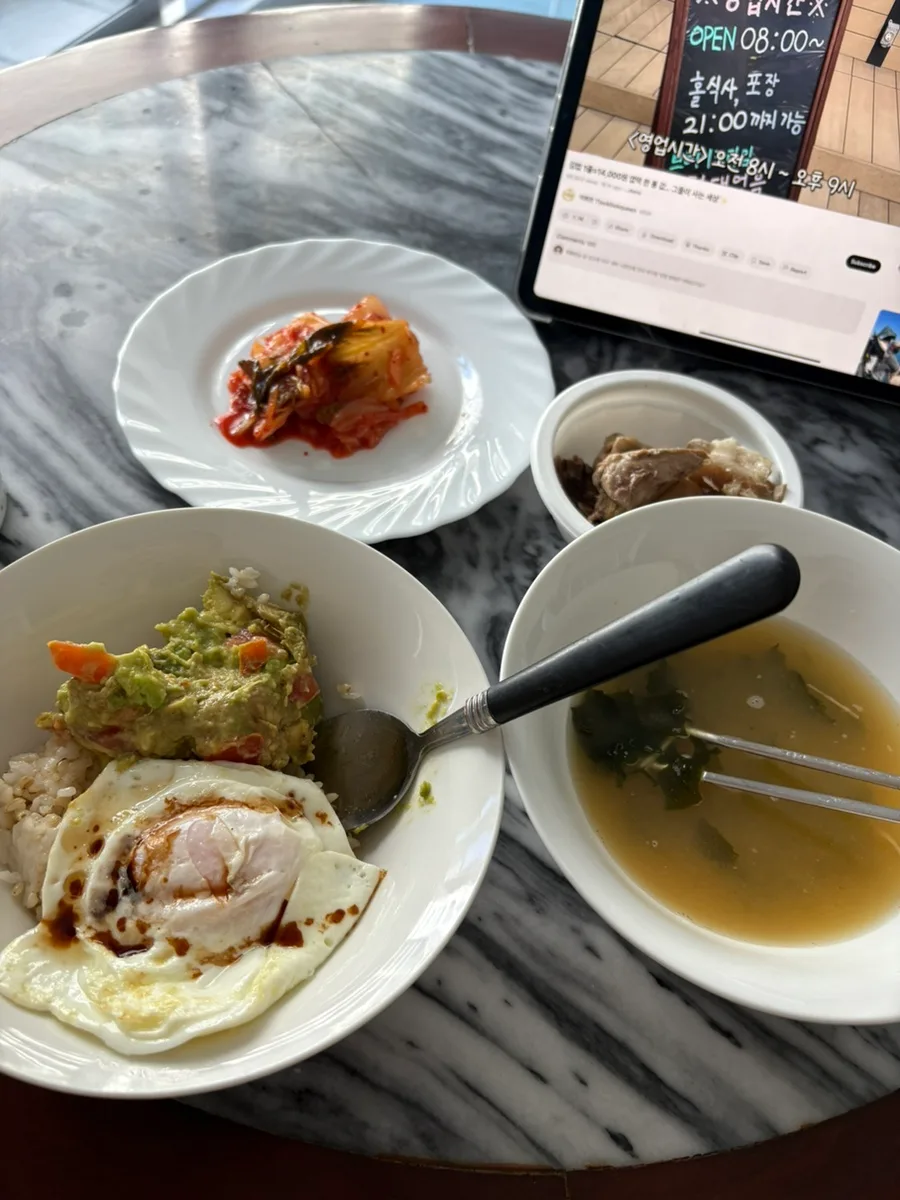
As you enter your second year, the initial excitement of settling in often gives way to more practical considerations about daily life and finances, making these preparatory steps even more crucial for a comfortable return.
What Are the Main Reasons for Experiencing 'Culture Shock' or 'Reality Check' Abroad?
Related Articles
Extended stays abroad, particularly in countries like New Zealand, can lead to unexpected moments of disillusionment or a 'reality check.' While the initial allure of living in an English-speaking country is strong, over time, you might find yourself struggling to understand local accents or experiencing profound loneliness. The romanticized vision of working abroad, perhaps working in a trendy cafe, can clash with the mundane reality of daily life, leading to disappointment.
These experiences often prompt deeper reflection on your personal life choices and values, going beyond just the location. Compared to experiences in places like Chiang Mai, English-speaking countries can sometimes present subtle forms of discrimination or a sense of inadequacy, impacting self-esteem. It's important to be mindful that even well-intentioned comments can be hurtful, requiring careful consideration of your words and actions before speaking, and being observant of your surroundings.
How Does the Cost of Living Abroad Compare to Korea?
Many assume that living abroad is definitively cheaper or more expensive than in Korea, but the reality is often more nuanced. When comparing costs on an annual basis, the total expenditure can be surprisingly similar, largely depending on your income and spending habits. For instance, in regions with a lower cost of living, like parts of Southeast Asia, people tend to spend more on leisure activities such as dining out, sports, or massages. Conversely, in places with a higher cost of living, such as New Zealand, individuals often find themselves cutting back on discretionary spending to manage their budget effectively. Ultimately, the total annual spending is highly personal. A key strategy for managing expenses, regardless of location, is to reduce spending on eating out and focus on home-cooked meals. This approach not only saves money but also supports a healthier lifestyle.
What Are the Must-Buy Souvenirs When Returning to Korea from New Zealand?
When preparing to return to Korea, selecting souvenirs that are either difficult to find or significantly more expensive back home makes the most sense. New Zealand offers unique local products that are perfect for this. Consider bringing back New Zealand-made peanut butter, butter, chocolates, or potato chips, which are often high-quality and distinct from what's available in Korea. These local specialties make for thoughtful gifts or personal treats. Even food items gifted to you by locals can be practical and serve as wonderful reminders of your time abroad. Focusing on these unique, locally sourced items ensures your souvenirs are both meaningful and representative of your New Zealand experience.
What Is the Most Important Realization from Your Working Holiday Experience?
The most profound realization from a working holiday experience, like two years in New Zealand, is that personal growth stems more from the people you meet and the experiences you have than the location itself. While New Zealand offers beautiful landscapes and unique cultural interactions, it's the human connections and the challenges overcome that truly shape you. Prioritizing home-cooked meals is a practical lesson that benefits both your health and your wallet. This approach to daily living, focusing on self-sufficiency and mindful consumption, is a valuable takeaway that can be applied long after your travels end. It emphasizes the importance of balance – nurturing your well-being while being financially responsible, a lesson learned through the immersive experience of living and working abroad.
For more details, check the original source below.