Planning a trip to Korea in 2026? Expect to spend around $70-$75 per day on average, covering accommodation, food, and local transport. US citizens can enjoy visa-free entry for up to 90 days, but must obtain a K-ETA (Korea Electronic Travel Authorization) online before departure. Key experiences include exploring vibrant Seoul neighborhoods like Hongdae and Gangnam, visiting the SMTOWN museum, and even participating in a unique Temple Stay program.
What are the essential K-culture experiences for a 2026 Korea trip?
A trip to Korea in 2026 offers a rich tapestry of cultural experiences, blending ancient traditions with cutting-edge K-pop and K-beauty. For K-pop fans, visiting the SMTOWN Museum in Seoul provides an immersive dive into the world of SM Entertainment artists. Beyond the glitz of K-pop, the Temple Stay program offers a profound glimpse into Korean Buddhism, allowing visitors to live like monks for a day or two, participating in meditation, tea ceremonies, and communal meals. This unique cultural immersion is gaining traction among Western travelers seeking authentic experiences. Exploring Seoul's distinct neighborhoods is also crucial: Hongdae buzzes with youthful energy, street art, and indie music; Gangnam offers upscale shopping and entertainment; and Bukchon Hanok Village transports you to a bygone era with its traditional Korean houses. Don't forget to factor in the cost of these experiences, which can range from $10-$20 for museum entry to $50-$100 per night for a Temple Stay, providing a diverse budget for different interests.
How can US travelers navigate Korea's transportation and accommodation in 2026?
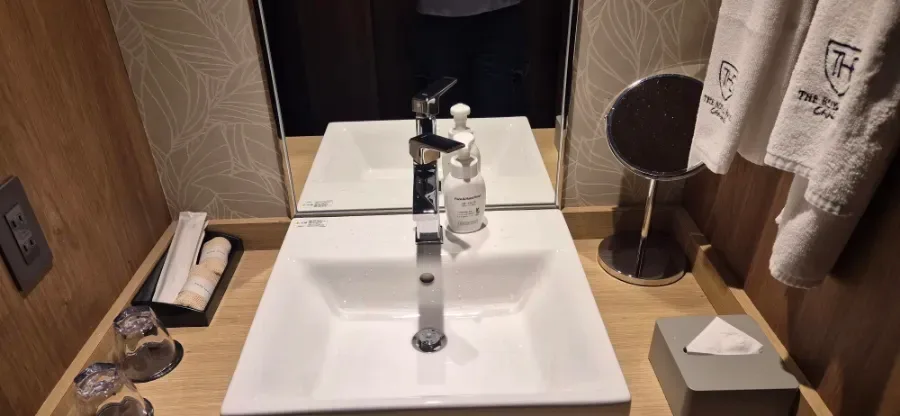
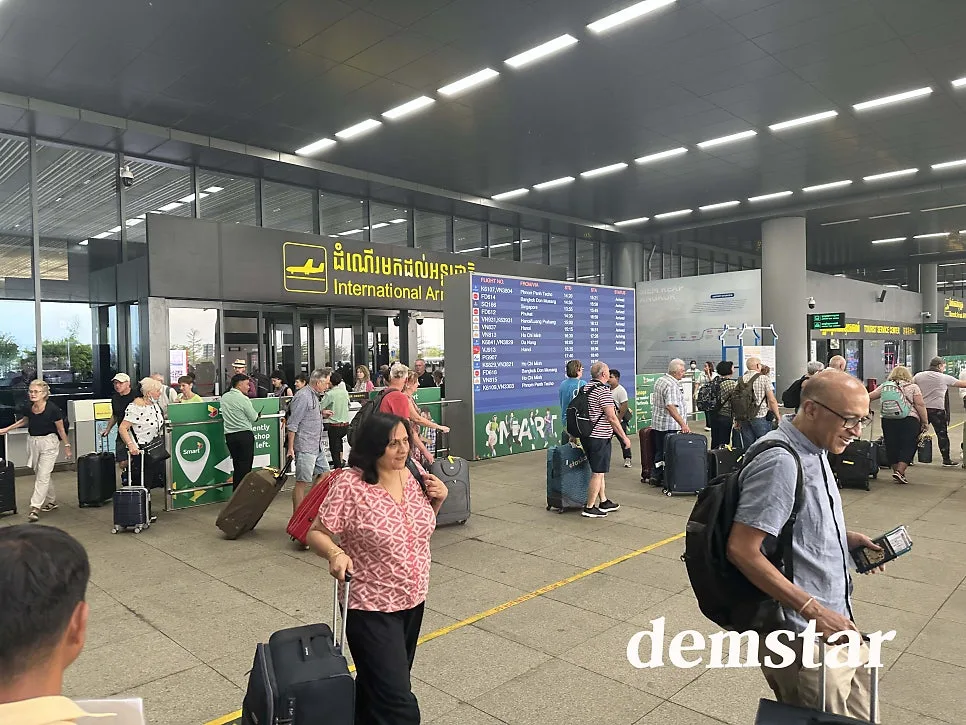
Navigating Korea as a US traveler in 2026 is made easier with efficient public transportation and a range of accommodation options. Upon arrival at Incheon International Airport (ICN), the AREX Express train offers a swift journey to Seoul Station for approximately $9 (₩12,000), while taxis are available for around $65-$80 (₩90,000-₩110,000) for a more direct, albeit pricier, transfer. Within Seoul, the subway system is extensive, clean, and user-friendly, with single rides costing around $1.30 (₩1,750). For accommodation, travelers can find budget-friendly guesthouses and hostels in areas like Hongdae for $30-$60 per night, mid-range hotels in Myeongdong or Gangnam for $80-$150, and luxury options exceeding $200. Consider booking accommodations near subway stations for maximum convenience. Many hotels offer amenities catering to international guests, though learning a few basic Korean phrases can enhance your interactions.
What are the best neighborhoods for a Seoul travel guide in 2026?
Seoul's diverse neighborhoods offer unique experiences for every type of traveler in 2026. Hongdae, centered around Hongik University, is the epicenter of youth culture, art, and indie music, boasting vibrant street performances, trendy cafes, and affordable fashion boutiques. It's an ideal spot for budget-conscious travelers and those seeking a lively nightlife. Gangnam, made famous by Psy's hit song, is the epitome of upscale Seoul, featuring luxury shopping, high-end dining, and K-pop entertainment companies; expect hotel prices here to be on the higher end, typically $150-$300+. For a glimpse into traditional Korea, Bukchon Hanok Village offers a serene escape with its beautifully preserved traditional houses (hanoks), many of which are now cafes or guesthouses, providing a picturesque setting for exploration. Myeongdong is a shopper's paradise, especially for K-beauty products, with countless cosmetic stores, street food vendors, and bustling crowds.
What should US visitors know about Korean food and dining etiquette in 2026?
Korean cuisine is a major draw for visitors, and understanding some dining etiquette will enhance your experience in 2026. While many restaurants cater to international tourists, knowing a few basics is helpful. When dining with elders or superiors, wait for them to start eating first. Chopsticks and spoons are used for different purposes – spoons for rice and soup, chopsticks for side dishes. It's considered polite to use both hands when receiving or giving items. For food, be adventurous! Must-try dishes include Bibimbap (mixed rice with vegetables and meat), Bulgogi (marinated grilled beef), and Kimchi (fermented cabbage). Street food is also abundant and delicious, with options like Tteokbokki (spicy rice cakes) and Odeng (fish cakes) readily available. While tipping is not customary in Korea, exceptional service might warrant a small gesture, though it's not expected.
English crawl path
Next English reads from this pilot cluster
Continue through the category hub, latest English stories, and related posts so this translated article is not an isolated URL.
Tags
💬Frequently Asked Questions
What should I check first in Korea Travel Guide 2026: Costs, Visa & Must-See Spots?
Does this World Travel article link back to the Korean source?
Where can I find similar English stories?
English discovery path
Explore more English K-culture stories
Keep browsing the indexed English pilot cluster so Google and readers can move between this story, the category hub, and fresh discovery pages.
Original Source
Read the Korean original