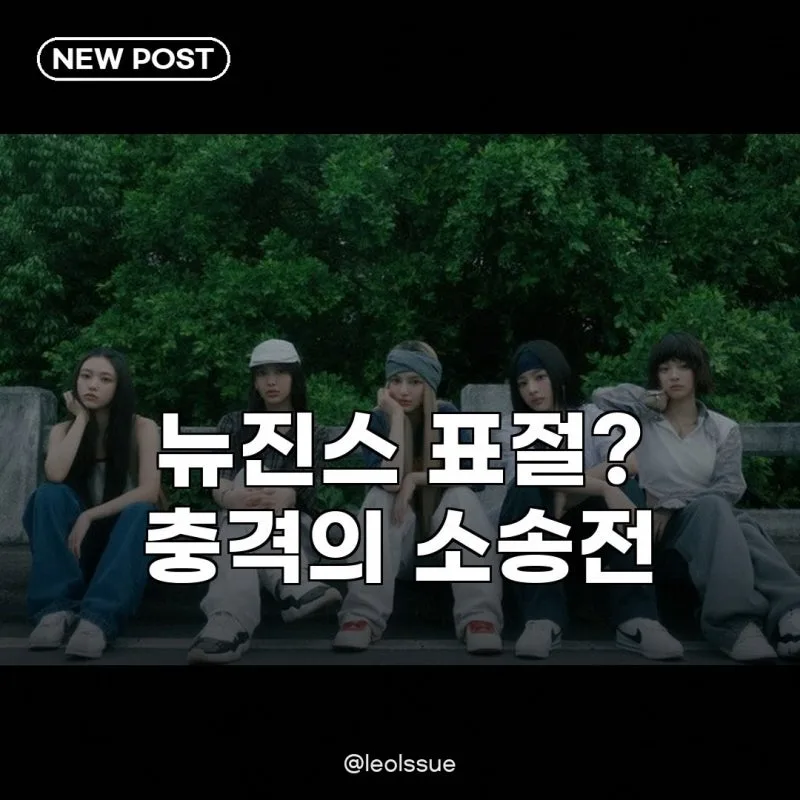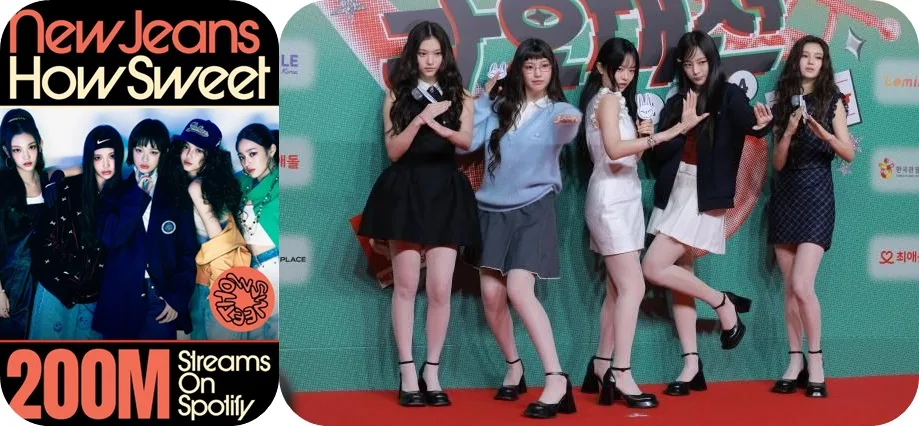
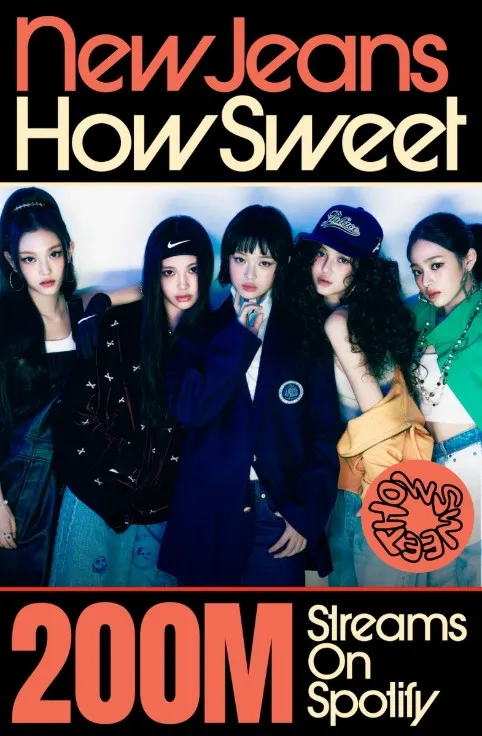
NewJeans' hit song 'How Sweet' is facing a copyright infringement lawsuit in the United States, filed by four songwriters claiming melodic and structural similarities to their demo track. This case highlights the growing complexities of intellectual property rights for K-pop artists operating on a global scale.
What are the specific allegations in the NewJeans 'How Sweet' copyright lawsuit?
The lawsuit against NewJeans, their agency ADOR, and parent company HYBE was filed by four US-based songwriters, including Audrey Aamarcost, according to an April 8 report by Billboard. The plaintiffs allege that they had previously proposed a demo track's topline (the main melody) to the group, which was ultimately not accepted. They claim that the first verse melody and overall song structure of 'How Sweet,' released after their proposal, bear a strong resemblance to their demo. The songwriters are pursuing legal action, asserting that this similarity goes beyond coincidence and constitutes copyright infringement. This case is drawing attention as an example of intellectual property disputes arising from the increasing global activities of K-pop groups.
What is NewJeans' official stance, and what are their potential legal strategies?
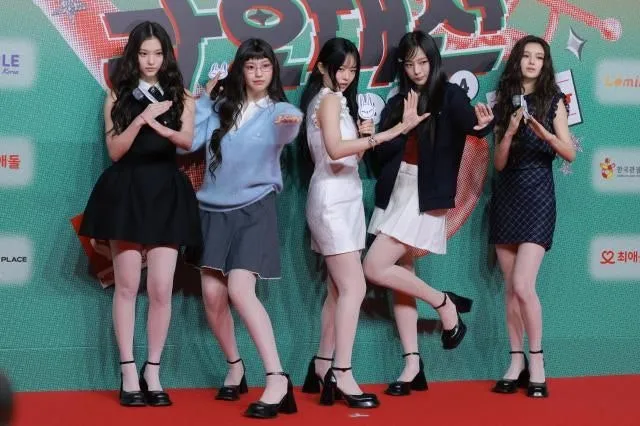
As of now, neither NewJeans, their agency ADOR, nor HYBE have issued an official statement regarding the copyright lawsuit. Typically, when faced with such legal challenges, entertainment companies meticulously investigate the facts through their legal teams to formulate a careful response strategy. It's expected that ADOR will thoroughly review the plaintiffs' claims, assess the degree of similarity between 'How Sweet' and the alleged demo track, and determine if any legal issues exist. Depending on their findings, they might pursue a settlement or vigorously defend themselves in court. Given the expanding global reach of K-pop artists, copyright-related issues are becoming increasingly critical. Therefore, the outcome of this lawsuit could set an important precedent for future disputes within the industry.
What are the potential impacts of a copyright infringement lawsuit on K-pop artists?
A copyright infringement lawsuit, such as the one involving NewJeans' 'How Sweet,' can have several significant impacts on K-pop artists and the broader industry. Firstly, it can negatively affect an artist's reputation and image. Allegations of plagiarism can disappoint fans and the general public, potentially impacting album sales, streaming numbers, and future career prospects. Secondly, it can impose a substantial financial burden on the agency. Legal fees, potential settlement amounts, and other associated costs can lead to significant financial losses. Furthermore, prolonged legal battles could disrupt the artist's activities, leading to postponed comebacks or even temporary hiatuses. Lastly, such cases may prompt a re-evaluation of intellectual property protection and management systems within the K-pop industry, highlighting the need for robust frameworks to safeguard creative works and prevent disputes as global market penetration increases.
How can plagiarism controversies be prevented and managed?
Plagiarism controversies are a significant concern in the music industry. To prevent such issues, creators and agencies must prioritize rigorous verification of the creative process. This includes meticulously documenting the origin of all musical elements, ensuring that no existing copyrighted material is used without proper authorization. Clear and comprehensive contracts with all collaborators, including songwriters and producers, are essential. These agreements should explicitly outline ownership rights and usage permissions. When a potential dispute arises, it's crucial to conduct a thorough factual investigation before taking any legal action. Responding hastily can often exacerbate the situation. Instead, a calm, fact-based approach, potentially involving legal counsel, is necessary to navigate the complexities and reach a fair resolution, protecting both the artist's integrity and the rights of all involved parties.
For more details, check the original source below.