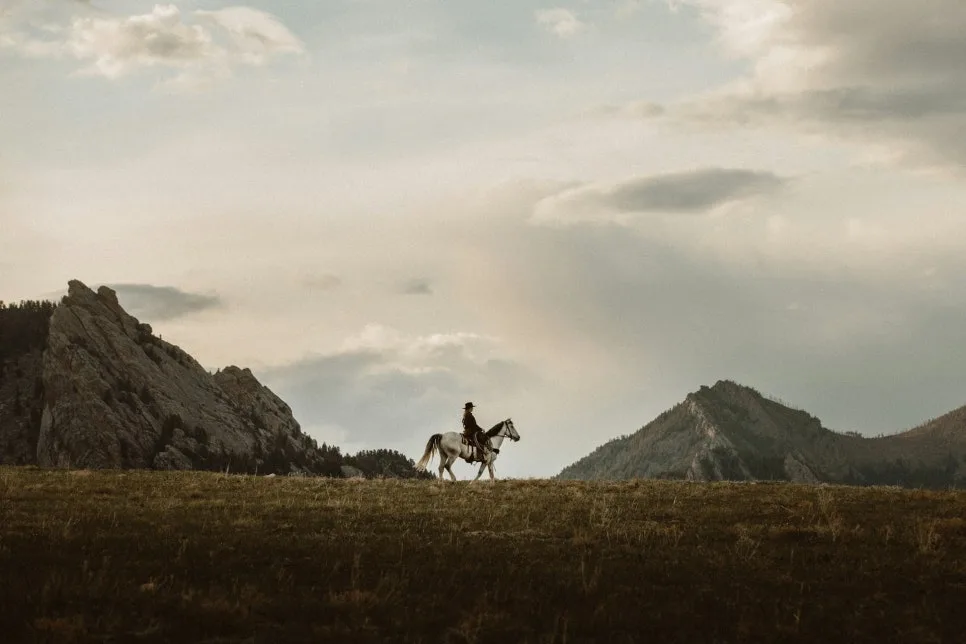
The term "Wrangler" primarily signifies a skilled hand at managing livestock like horses and cattle, but it extends metaphorically to describe someone who mediates disputes or tackles tough challenges. In 2026, this word continues to hold deep ties to American Western culture and is used in various contexts, reflecting its rich history and adaptability.
What is the Core Meaning and Origin of Wrangler?
The word "Wrangler" first appeared in English around the late 14th to early 15th century, originally meaning someone who wrestled with or managed horses and cattle. It was particularly used in Northern England and Scotland to refer to drovers or horse traders. As large-scale ranching boomed in the American West during the 18th and 19th centuries, "Wrangler" became almost synonymous with "cowboy." Uniquely, the prestigious Cambridge University in the UK has a tradition dating back to the 18th century where the top mathematics graduate is honored as the "Senior Wrangler." This historical context highlights two key facets of the word: "skilled expertise" and "struggle." Beyond just handling animals, a wrangler can metaphorically represent someone with a strong will to mediate conflicts or resolve complex issues, a meaning applicable to various modern professionals. The popular Wrangler jeans brand also draws from this rugged, practical image of the American West.
How Did the Etymology and Metaphorical Meaning of Wrangler Expand?
The etymology of "Wrangler" traces back to the Middle English verb 'wranglen,' meaning 'to dispute' or 'to quarrel.' This word shares roots with the Low German 'wrangeln' (to wrestle, to struggle) and Old Norse 'rangr' (crooked, wrong). These origins evoke an image of twisting and struggling, which evolved into two primary meanings. The first refers to the physical act of 'wrestling with and driving animals,' and the second to the social and relational act of 'disputing and mediating with people.' Therefore, a wrangler embodies not just the technical skill of handling livestock but also an active attitude of controlling or resolving a situation with strong will and energy, whether it's animals or problems. For instance, a 'problem wrangler' might be someone who diligently works to fix complex technical glitches or satisfy demanding client requests. This metaphorical expansion showcases the multifaceted nature of the word "Wrangler."
What are the Specific Characteristics and Use Cases of Wrangler?
A wrangler is characterized by several key traits: First, 'physical proficiency' is essential, requiring strength, agility, and a deep understanding of animal behavior to manage horses or cattle. Second, it implies a 'combative spirit,' stemming from its root meaning of 'to quarrel,' suggesting a tenacious attitude that doesn't give up easily. Third, there's a strong emphasis on 'practicality,' where hands-on experience and real-world skills are valued over theoretical knowledge. These characteristics are evident in its usage. For example, "The old wrangler led a herd of 200 cattle across the plains," showcasing the literal meaning. Metaphorically, one might say, "She's the best problem wrangler in the department, always finding solutions when others can't." This dual application highlights the word's versatility.
What Should You Know Before Using the Term Wrangler?
When using the term "Wrangler," it's important to consider the context to avoid confusion. While its primary association is with cowboys and livestock management, its metaphorical use as a problem-solver or mediator is equally valid and increasingly common in professional settings. For instance, in the tech industry, a "network wrangler" might be someone skilled at troubleshooting complex connectivity issues. In academia, the "Senior Wrangler" title at Cambridge signifies exceptional mathematical achievement. The brand "Wrangler" itself, known for its durable denim, taps into the rugged, hardworking image associated with the term. Understanding these nuances allows for a more precise and impactful use of the word, whether you're discussing historical roles, metaphorical capabilities, or even choosing a pair of jeans.





