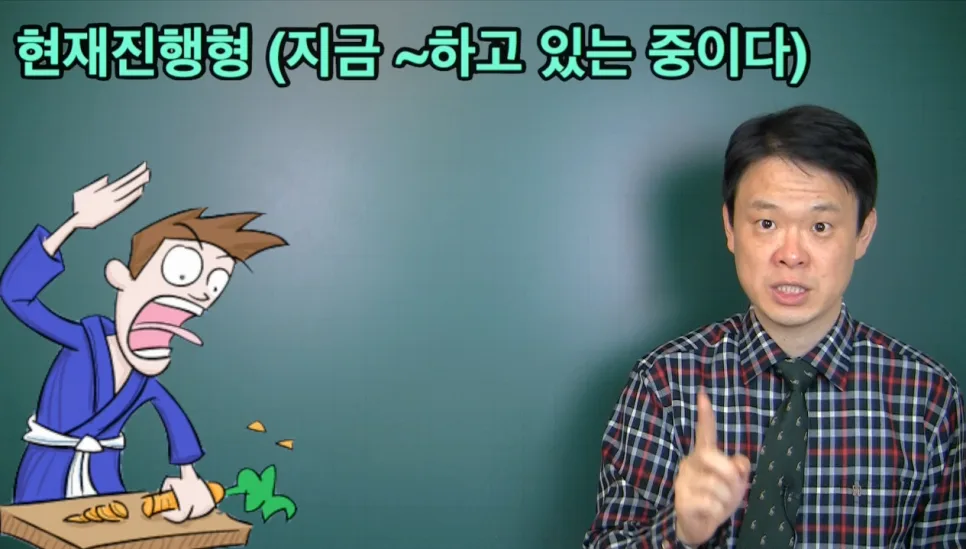
Confused about when to use the simple present and present continuous tenses in English? This guide will clarify the core differences and provide practical usage examples, helping you master English grammar for better writing and speaking in 2026.
Simple Present vs. Present Continuous: What's the Difference?
The simple present and present continuous tenses are fundamental to English grammar, but their nuances can be tricky for learners. Drawing from my experience as a top-scoring TOEIC test-taker and someone who studied abroad, I've analyzed why many Korean students struggle with these tenses. Often, the issue isn't just memorizing rules but understanding how to apply them in real-world sentences. My goal is to cut through the complexity and highlight the key distinctions. For instance, the simple present is used for recurring habits, general truths, or unchanging facts – think 'I jog every morning.' In contrast, the present continuous emphasizes an action happening *right now* – like 'I am jogging now.' Grasping this subtle difference is crucial for improving your English.
When Should You Use the Simple Present Tense?
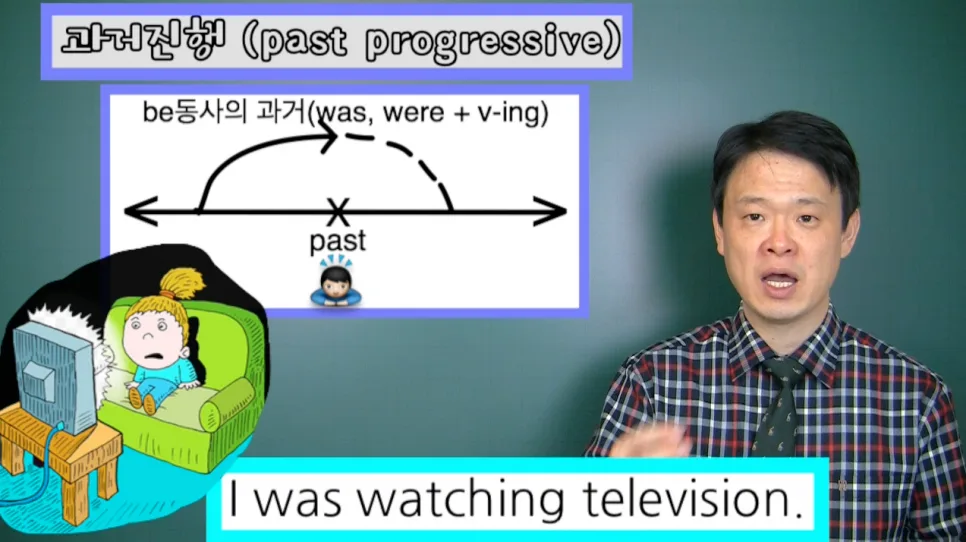
The simple present tense is your go-to for several key situations. Firstly, it's used for general truths and facts that are always true, such as 'The Earth revolves around the sun.' Secondly, it describes habitual actions or routines: 'She drinks coffee every morning.' This tense indicates something that happens regularly. Lastly, it expresses current states or feelings that are generally unchanging: 'He likes pizza.' This conveys a consistent preference, not a temporary one. Mastering these uses of the simple present is a vital first step for anyone looking to boost their English proficiency, especially for standardized tests like the TOEIC or academic writing.
When Do You Use the Present Continuous Tense?
As the name suggests, the present continuous tense focuses on actions happening *at the moment of speaking*. The most common use is to describe ongoing actions: 'I am studying English right now.' This clearly indicates an activity in progress. It's also useful for describing temporary situations or trends: 'He is working on a new project these days.' This highlights an activity that is happening currently but might not be permanent. Interestingly, the present continuous can also express planned future events, especially those happening soon: 'We are meeting tomorrow.' This conveys a definite arrangement. The present continuous effectively communicates the idea of 'progression' in time.
Key Considerations for Distinguishing Tenses
A common pitfall when differentiating between the simple present and present continuous is confusing habitual actions with ongoing ones. For example, 'He plays soccer every Saturday' correctly uses the simple present for a routine, while 'He is playing soccer now' uses the present continuous for an action happening at this moment. Another critical point is that stative verbs – verbs describing states rather than actions like 'know,' 'believe,' 'love,' 'hate,' 'want,' and 'need' – are generally not used in the continuous form. You should say 'I know the answer,' not 'I am knowing the answer.' Understanding these rules and practicing their application in sentences is essential. If you consistently find yourself struggling with tense usage, seeking structured guidance from an experienced instructor can provide the clarity needed to solidify your understanding.
For more detailed tense usage, check the original source below.





