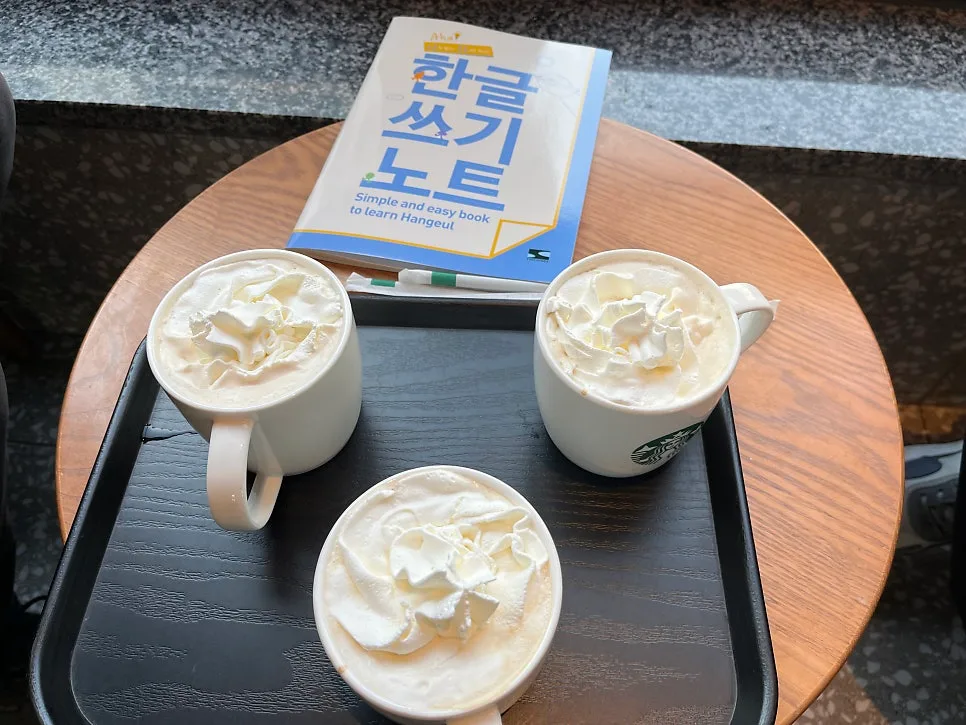
Teaching Korean to beginners, especially those from Turkey, can feel daunting. The key to a successful 1:1 in-person Korean lesson is a structured approach starting with the Hangul alphabet. Tailoring materials to spark interest and maintain consistent practice is crucial for learners aiming for fluency in 2026.
What's the best starting point for teaching Korean to Turkish speakers?
When teaching Korean to Turkish speakers for the first time, a systematic approach focusing on the Hangul alphabet is essential. I found that starting with the basic consonants and vowels, and guiding students through the correct writing order, is highly effective. Using resources like the 'Hangul Consonants and Vowels Writing Notebook' from TUPANS, known for its Seoul National University Korean language textbooks, helps learners master the shapes and strokes. I paired this with homework assignments for consistent practice at home. To support pronunciation and listening skills, I provided links to the TUPANS website for downloadable MP3 audio files, which are invaluable for learners to practice anytime, anywhere.
How to conduct engaging 1:1 in-person Korean lessons?
For effective 1:1 Korean lessons, understanding the student's level and goals is paramount. I taught a Turkish friend who was highly motivated by Korean culture, making the learning process more enjoyable. Instead of just focusing on grammar or vocabulary, I integrated real-life Korean expressions and cultural context. For instance, conducting a lesson at a comfortable cafe allowed us to practice basic greetings and ordering phrases in a natural setting. The strength of 1:1 tutoring lies in providing encouragement, addressing difficulties together, and fostering a supportive learning environment that keeps students motivated.
What Korean learning resources are most effective?
To teach Korean to my Turkish student, I utilized TUPANS' 'Hangul Consonants and Vowels Writing Notebook.' This textbook is excellent for beginners, offering a structured way to learn the shapes and writing order of Hangul.
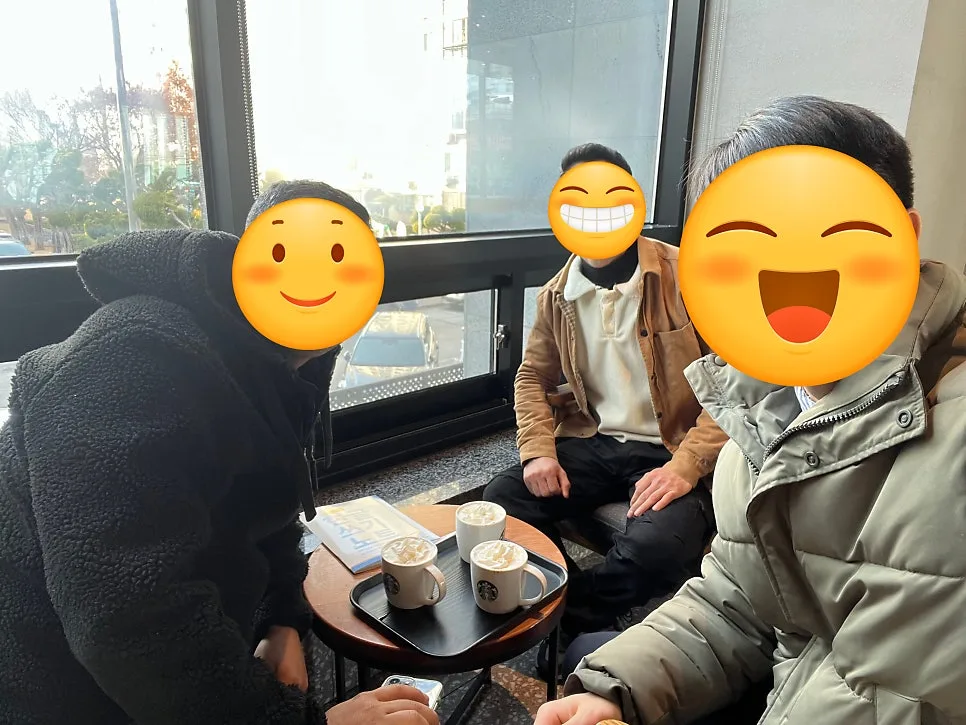
The accompanying MP3 files, available on the TUPANS website, are crucial for developing listening skills and accurate pronunciation. Choosing proven textbooks and diverse supplementary materials significantly boosts learning outcomes. It's important to select resources appropriate for the learner's level and incorporate various tools to make the learning experience more engaging and effective.
What are common mistakes to avoid in 1:1 Korean tutoring?
A frequent mistake in 1:1 Korean tutoring is teaching content that is too advanced or too basic for the student's level, or delivering lessons in a monotonous way that kills engagement. For example, introducing complex grammar or an overwhelming number of vocabulary words too early can discourage learners. Similarly, overly direct correction of pronunciation errors can undermine a student's confidence. It's vital to provide positive feedback and specific, constructive guidance for improvement, ensuring the learning environment remains encouraging and supportive.
For more details, check the original source below.





