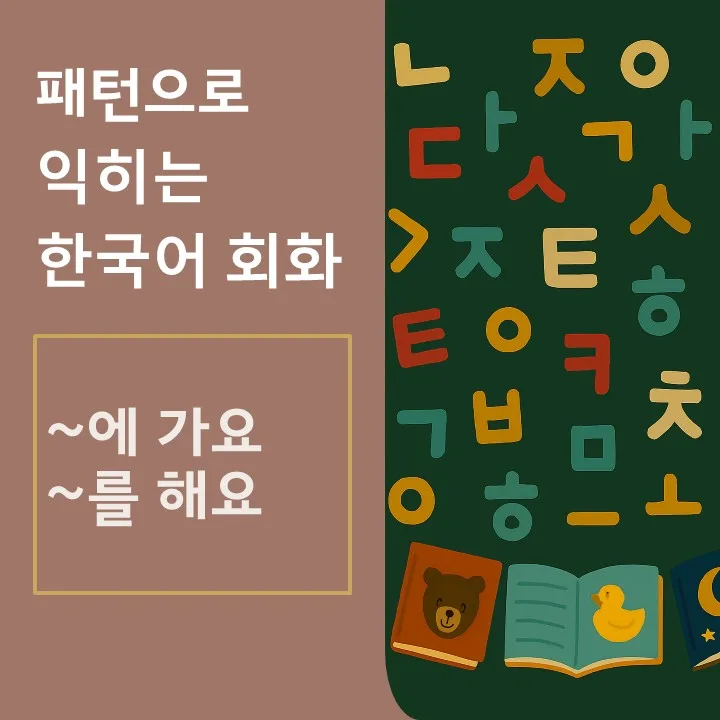
Master essential Korean conversation patterns for weekends in 2026 with this expert-curated guide. Learn how to confidently answer "What do you do on weekends?" by covering locations, activities, and complex expressions.
How to Answer "What Do You Do on Weekends?" in Korean
The question "주말에 뭐 해요?" (Jumal-e mwo haeyo? - What do you do on weekends?) is a cornerstone of casual Korean conversation. To answer it naturally, focus on four key patterns. The first is expressing where you're going: "[Location]에 가요" (e.g., "영화관에 가요" - Yeonghwagwan-e gayo - I go to the movie theater). This is a fundamental phrase for beginners. For effective learning, study various example sentences and practice speaking them aloud. As experienced learners know, simply reading examples isn't as effective as actively repeating them.
Using "~을/를 해요" and "~에서 ~을/를 해요" for Weekend Activities

The second pattern describes specific actions: "[Activity]을/를 해요" (e.g., "운동을 해요" - Undong-eul haeyo - I exercise; "요리를 해요" - Yorireul haeyo - I cook). Remember to use "을" after a noun with a final consonant and "를" after one without. The third pattern combines location and activity: "[Location]에서 [Activity]을/를 해요" (e.g., "저는 헬스장에서 운동을 해요" - Jeoneun helseujang-eseo undong-eul haeyo - I exercise at the gym; "친구와 도서관에서 공부를 해요" - Chinguwa doseogwan-eseo gongbu-reul haeyo - I study with a friend at the library). Mastering these two patterns allows for much more detailed descriptions of your weekend plans. Expert advice: Practicing the "을/를" distinction alongside pronunciation will significantly boost your accuracy.
Connecting Two Weekend Activities with "~하고 ~해요"
Weekends often involve more than one activity. To link them, use the fourth pattern: "[Activity 1] 하고 [Activity 2] 해요" (e.g., "저는 청소하고 빨래해요" - Jeoneun cheongsohago ppallaehaeyo - I clean and do laundry; "친구와 영화 보고 저녁 먹어요" - Chinguwa yeonghwa bogo jeonyeok meogeoyo - I watch a movie and have dinner with a friend). This pattern makes your weekend schedule sound more fluid and comprehensive. Consistently reviewing and applying these four patterns in real conversations is crucial for fluency. As many learners discover, initial awkwardness fades with repeated practice.
Effective Strategies for Learning Weekend Korean Conversation
Consistency and repetition are key to mastering Korean conversation. Patterns using basic verbs like "가다" (gada - to go) and "하다" (hada - to do) are versatile and can be applied in many situations. Therefore, exposing yourself to numerous examples and practicing speaking them is essential. Beyond these weekend-specific patterns, expect continuous updates to Korean learning resources. For those seeking additional Korean tutoring materials, leaving your email in the comments may provide helpful resources. A great tip from experts is to write short Korean diary entries based on what you've learned to reinforce your knowledge.
For more details, check the original source below.





