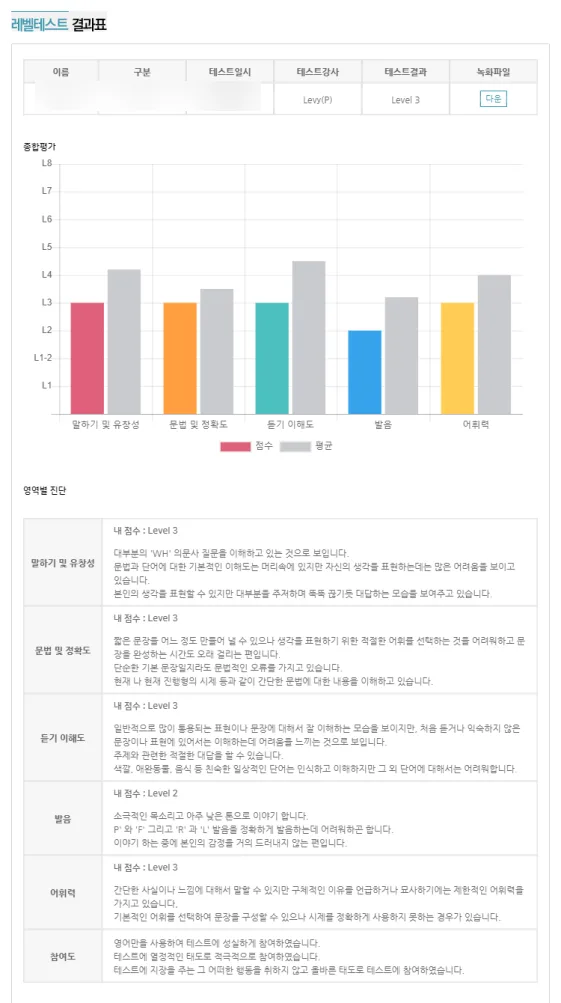
For US learners struggling with Korean speaking skills despite high TOPIK scores, this guide breaks down effective strategies and resources. We’ll explore how to bridge the gap between test knowledge and real-world conversation, focusing on methods that deliver fluency in 2026.
Why Do High TOPIK Scores Not Guarantee Korean Speaking Fluency?

Many learners find themselves in a frustrating situation: acing the TOPIK (Test of Proficiency in Korean) but freezing up during actual conversations. This disconnect stems from the fundamental difference between test-oriented learning and practical communication. While exams like TOPIK assess knowledge of grammar and vocabulary, real-life Korean conversation demands instant recall, fluency, and the ability to express oneself spontaneously. I personally experienced this during my own language journey; I knew the words and grammar rules, but forming sentences on the fly felt impossible, leading to a significant confidence dip. This is why I sought out resources specifically designed to build practical speaking skills, which led me to discover the effectiveness of structured, real-world application methods. Understanding this gap is the first step toward achieving true conversational ability.
How Can You Effectively Learn Korean for Beginners in 2026?
The journey to learning Korean, especially for beginners, is most effective when approached with a clear roadmap. Start with mastering Hangul, the Korean alphabet, which can typically be learned in 3-7 days. This foundational step unlocks reading and writing, making subsequent learning much smoother. Next, focus on basic phrases and common expressions used in daily life, which can usually be grasped within a month. Resources like Talk To Me In Korean (TTMIK), Duolingo, and Anki flashcards offer structured lessons and practice opportunities accessible online. For those aiming for fluency, integrating K-drama and K-pop into your study routine can be incredibly motivating. Learning through song lyrics or dialogue from your favorite shows makes the process engaging and helps you pick up natural pronunciation and colloquialisms. Consistent practice, even just 15-30 minutes daily, is key to building momentum and retaining what you learn.
What Are the Benefits of Real-Time Feedback and Recorded Lessons for Korean Learners?
Receiving immediate feedback from native speakers or experienced instructors is crucial for correcting pronunciation and grammar errors before they become ingrained habits. In a Korean language class, this real-time correction helps learners adjust their speech accurately. Furthermore, having access to recorded lessons is an invaluable tool for self-study and reinforcement. You can revisit challenging sections, analyze your own speaking patterns, and pinpoint areas for improvement. For instance, if you're preparing for a Korean language interview or a TOPIK speaking test, reviewing recordings of yourself can highlight specific mistakes in pronunciation, word choice, or sentence structure. This self-assessment loop, combined with instructor feedback, accelerates progress significantly, making the learning process more efficient and targeted.
What Should US Learners Keep in Mind for Korean Speaking Improvement?
To truly improve your Korean speaking skills, it’s important to shift your mindset away from perfectionism. Don't let the fear of making mistakes paralyze you; instead, embrace them as learning opportunities and speak with confidence. Actively try to incorporate new vocabulary and sentence structures you've learned into your conversations, even if it feels a bit forced at first. Recording yourself speaking Korean and listening back is another powerful technique. This allows you to objectively assess your pronunciation, intonation, and fluency, identifying areas that need more work. Finding a learning method that suits your personal style and pace is also vital. Whether it's through language exchange partners, online courses, or immersive apps, consistency and active engagement are the cornerstones of success. For US learners, resources like TTMIK or dedicated Korean language tutors can provide structured guidance and personalized feedback to navigate these challenges effectively.
For more details, check the original source below.





