Dreaming of speaking Korean fluently? You can transform your daily commute into a powerful learning opportunity. The key to mastering the Korean language, especially for busy Americans, lies in consistent, focused practice. This guide reveals proven strategies to leverage every spare moment, making your journey to fluency in 2026 both achievable and enjoyable.
How Can You Use Commute Time to Learn Korean?
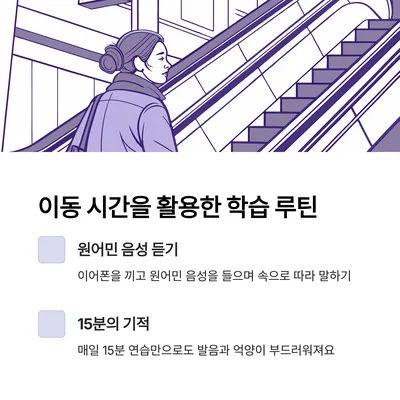
For many in the US, the daily commute is a significant chunk of time that often goes underutilized. Instead of just listening to music, imagine transforming your drive or subway ride into an immersive Korean language lesson. A highly effective method recommended by language experts is to listen to native Korean audio and silently repeat the phrases. This technique is perfect for times like riding an escalator or waiting in line, turning passive moments into active learning sessions. One learner shared that by consistently practicing this for just 15 minutes daily during their commute, their pronunciation and intonation became noticeably smoother, demonstrating the real-world impact of integrating Korean study into everyday life.
Mastering Conversational Flow in Korean
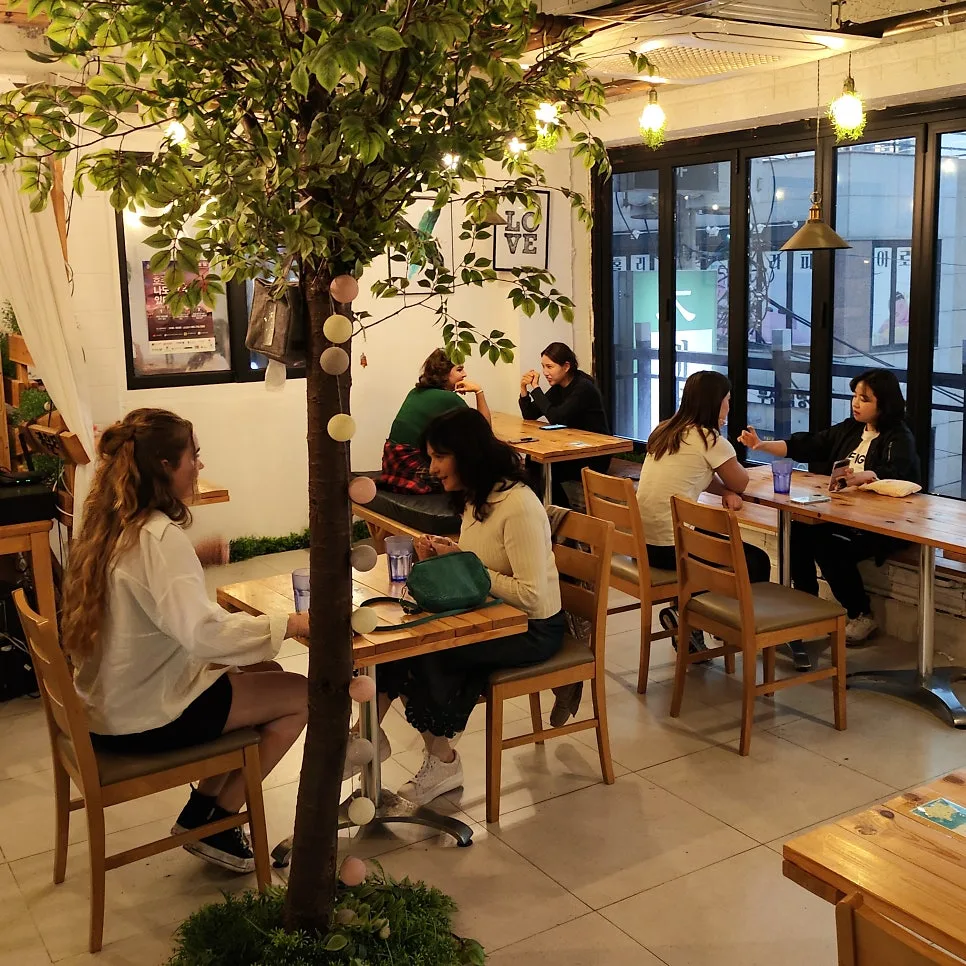
Simply memorizing vocabulary won't get you far in real conversations. The true goal is to grasp the natural flow and common expressions used by native Korean speakers. Try finding a quiet moment in a coffee shop or during your commute to practice saying these phrases aloud. For instance, mastering basic questions like 'Could you tell me where the exit is?' with correct intonation can significantly boost your confidence when you actually need to ask for directions. This type of practice is crucial for developing fluency and sounding more natural when speaking Korean.
The Power of Daily Mini-Missions for Korean Fluency
To build lasting language skills, I always advise my students to set a specific, achievable mini-mission each day. For example, one day could focus on phrases for asking directions on the subway, and the next could be about ordering coffee. This focused approach helps solidify vocabulary and sentence structures. Even short, consistent practice sessions, like those you can fit into a commute, make a significant difference. Regularly repeating these targeted phrases not only helps them stick in your memory but also gradually diminishes any fear you might have about speaking.
Building Confidence Through Real-World Korean Practice
Language learning truly accelerates when you step outside the classroom and engage with native speakers. I recall a student who, after practicing asking for directions in Korean to foreigners near a busy transit hub, felt a huge surge of confidence. Initially nervous, their voice was quiet, but the positive interaction encouraged them immensely. These small, everyday successes are powerful motivators. Real-world application is key to overcoming the fear of speaking and rapidly improving your Korean language abilities.
Designing Your Personalized Korean Learning Routine
If you're based in the US and looking to learn Korean, integrating your commute time with personalized learning is highly effective. Consider a student who, by listening to class recordings during their daily commute and reviewing in the evening, achieved a level of fluency within months that allowed them to confidently express their opinions during an international business trip. To get a precise assessment of your current Korean level and create a study plan tailored to your schedule, including commute time, consider seeking a consultation. Many online platforms offer personalized coaching to help you build an effective learning strategy.
English crawl path
Next English reads from this pilot cluster
Continue through the category hub, latest English stories, and related posts so this translated article is not an isolated URL.
Tags
💬Frequently Asked Questions
How can I use my commute time to learn Korean?
How do I practice daily mini-missions for better Korean speaking skills?
What's the best way to build confidence in speaking Korean through real experience?
English discovery path
Explore more English K-culture stories
Keep browsing the indexed English pilot cluster so Google and readers can move between this story, the category hub, and fresh discovery pages.
Original Source
Read the Korean original