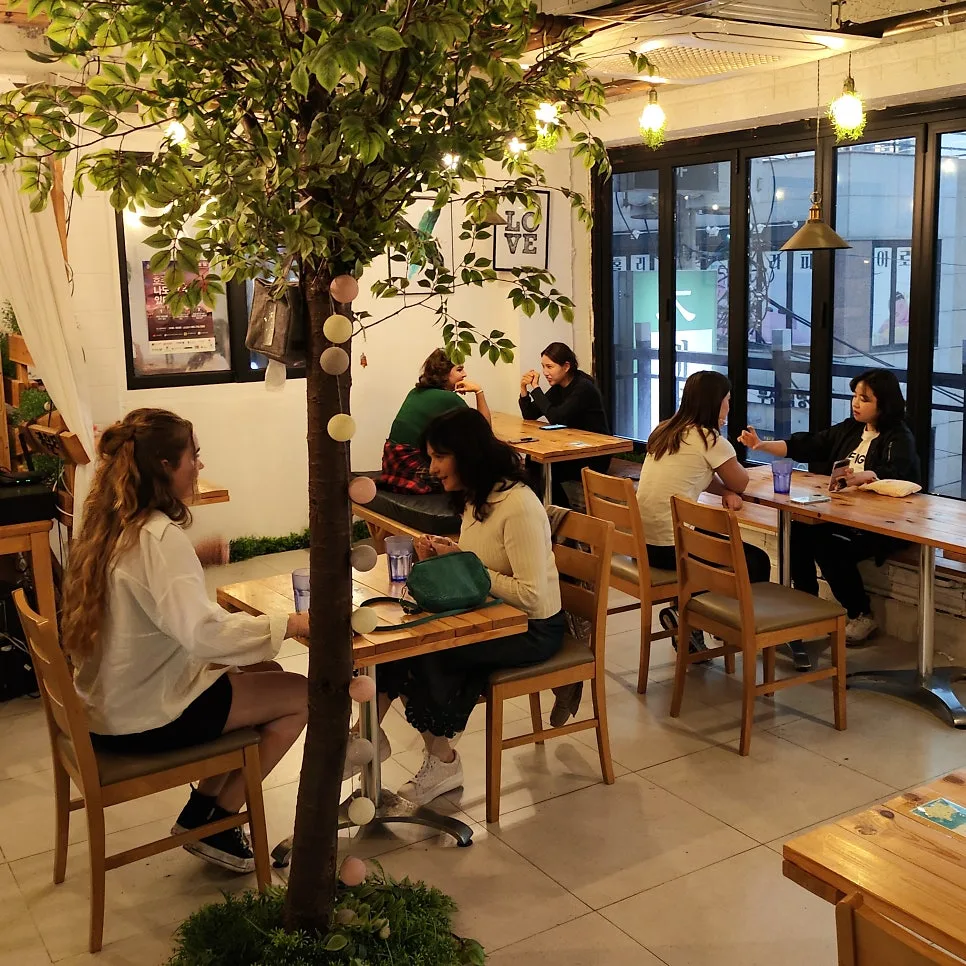
For adults in the US looking to learn Korean effectively, focusing on practical conversation and creating a comfortable learning environment is key. In 2026, methods that prioritize immediate usability and psychological safety will yield the best results for learners aiming for fluency.
Why Focus on Adult Korean Language Learning?
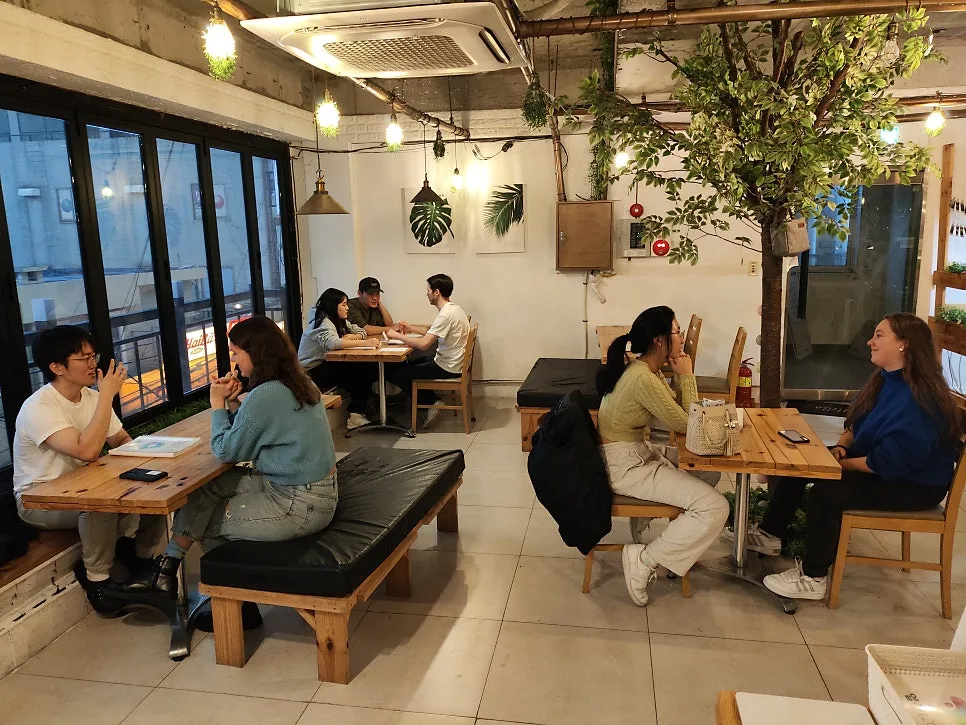
Adult learners of Korean often prioritize two main factors: 'immediate practical application' and 'psychological safety.' Learning Korean phrases that directly connect to real-life situations—whether for work, travel, or daily interactions—maximizes learning effectiveness. Furthermore, a supportive environment where learners feel comfortable speaking without fear of making mistakes is crucial for progress. This requires a tailored approach that acknowledges these adult learning characteristics. Programs designed with these core elements in mind are essential for achieving Korean language proficiency.
What Makes Korean Language Learning Methods Effective?
When choosing a Korean language program, consider approaches that offer a balance between structured learning and practical application. While traditional methods might focus heavily on grammar rules, modern effective strategies emphasize conversational practice. For instance, programs offering small group settings with native speakers can significantly boost speaking time and build confidence. This contrasts with large classroom settings where individual speaking opportunities are limited, or one-on-one tutoring which can be costly and may not expose learners to diverse linguistic styles. Prioritizing methods that simulate real-world interactions is vital for rapid progress in learning Korean.
What is the 'LanCul' Program Approach?
LanCul is a practical Korean language program designed for adult learners, focusing entirely on real-life conversation without traditional grammar lectures. The curriculum is personalized to each learner's level and goals, utilizing small group sessions with native Korean speakers from diverse backgrounds. Key features include a conversational-first approach, personalized lesson plans tailored to individual needs and objectives, and the learning of practical expressions immediately applicable in daily life, business, or travel scenarios. Activities often involve role-playing, discussions, and presentations to enhance practical speaking skills.
What Does a Learner-Centric Approach Mean?
Unlike conventional classes where learners adapt to a fixed curriculum, a learner-centric approach tailors the learning experience to the student. For Korean language learners, this means focusing on conversations relevant to their personal interests and specific situations. For example, a business professional might focus on work-related dialogues, while someone planning a trip to Korea would concentrate on travel essentials. This structure ensures that the learning is directly applicable and highly motivating, significantly boosting engagement and the overall effectiveness of acquiring the Korean language.
Why Are Small Group Classes Beneficial for Korean?
The primary advantage of small group classes for learning Korean is the significantly increased speaking time for each participant. In larger classes, individual opportunities to speak are scarce, but in a small group setting, learners naturally speak more throughout the session. This environment also fosters psychological comfort; the reduced pressure of making mistakes allows learners to participate more actively and confidently. LanCul's small group structure, typically 1:1 to 1:3, is designed to maximize this benefit, ensuring ample interaction with the instructor and fellow learners, which is crucial for developing conversational fluency in Korean.
Why Learn Korean with Speakers from Diverse Nationalities?
English is spoken globally, and Korean is increasingly becoming an international language. In real-world interactions, whether in business or travel, you'll encounter a variety of Korean accents and expressions. Learning exclusively with native speakers from one country might lead to proficiency in a specific dialect but can leave you unprepared for others. LanCul incorporates tutors from diverse national backgrounds to help learners adapt to a wider range of Korean linguistic styles and intonations. This exposure enhances practical communication skills and prepares learners for authentic interactions in various global contexts.
English crawl path
Next English reads from this pilot cluster
Continue through the category hub, latest English stories, and related posts so this translated article is not an isolated URL.
Tags
💬Frequently Asked Questions
What are the most effective ways to learn Korean as an adult?
Does LanCul focus on grammar for learning Korean?
What are the benefits of small group classes for Korean learners?
Why is learning Korean with diverse native speakers important?
English discovery path
Explore more English K-culture stories
Keep browsing the indexed English pilot cluster so Google and readers can move between this story, the category hub, and fresh discovery pages.
Original Source
Read the Korean original





