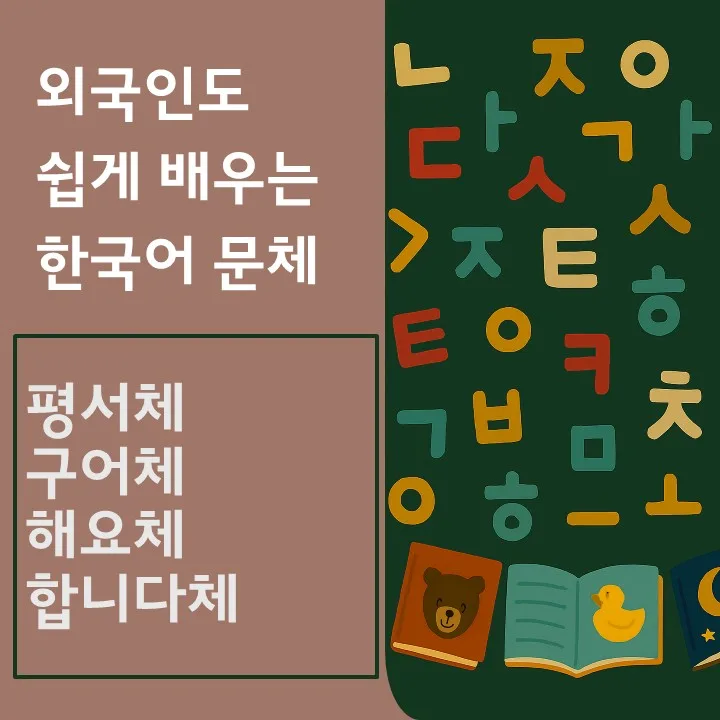
Unlock natural Korean conversations with this essential guide to the 5 core speech styles, explained for English speakers. Learn when to use formal, informal, and polite language to communicate effectively in any situation, ensuring you sound like a native. This guide breaks down each style with clear examples and tips for practice.
Why is understanding Korean speech styles crucial for learners?
For many learning Korean, the biggest hurdle isn't vocabulary or grammar rules, but mastering the nuances of speech styles. Koreans adjust their language based on who they're talking to and the social context, making correct style usage essential for natural communication. Getting this right shows respect and helps you connect better with native speakers. Think of it like knowing when to use slang versus formal language in English; it's about appropriateness and building rapport. For instance, you'd never use the same casual tone with your boss as you would with your best friend. Understanding these distinctions is a fundamental step to elevating your Korean fluency.
The 5 Key Korean Speech Styles Explained

While Korean boasts many speech levels, focusing on the five most common styles used in daily life and formal settings will significantly boost your conversational skills. Each style has a unique structure and is reserved for specific situations. Mastering these will help you navigate conversations with confidence. Let's look at how the verb 'to eat' (먹다 - meokda) transforms across these styles:
1. Plain Style (Pyeongseoche): The Foundation for Writing
The Plain Style, or Pyeongseoche, is the most basic form, primarily used in writing, monologues, and written texts. It uses the dictionary form of the verb, ending in '-da' (e.g., 먹는다 - meokneunda, 'to eat'). You'll see this in books, articles, and academic papers. It's objective and factual, making it ideal for conveying information without personal emotion or direct address. While not common in everyday spoken conversation, understanding it is key to comprehending written Korean.
2. Casual/Informal Style (Haeche): Banmal for Close Friends
Haeche, often called 'banmal' (반말), is the informal speech style used with close friends, family members, and people younger than you. It's created by dropping the '-yo' (요) from the polite informal style or using specific endings like '-eo/a' (어/아) or '-hae' (해). For example, 'meokda' becomes '먹어' (meogeo - eat). You'd use this for casual phrases like '나 오늘 영화 봐' (Na oneul yeonghwa bwa - I'm watching a movie today) or '내일 여행 가' (Naeil yeohaeng ga - Let's go on a trip tomorrow). It's relaxed and direct, but should only be used when you're sure the relationship allows for it.
3. Polite Informal Style (Haeyoche): Everyday Conversation Staple
Haeyoche is the workhorse of Korean conversation and the most frequently used polite speech style. It's formed by adding '-yo' (요) to the verb stem, often resulting in '-eoyo' (어요) or '-ayo' (아요). For example, 'meokda' becomes '먹어요' (meogeoyo - I eat/please eat). This style is polite yet friendly, making it suitable for most everyday interactions, including talking to strangers, shopkeepers, or colleagues you're not extremely close with. If you're a beginner learning Korean, mastering Haeyoche is your top priority for smooth daily communication.
4. Formal Polite Style (Hamniche): For Official Settings
Hamniche is a highly formal and respectful speech style used in official settings like presentations, news broadcasts, business meetings, and formal speeches. It's formed by adding '-mnida' (ㅂ니다) or '-seumnida' (습니다) to the verb stem. For instance, 'meokda' becomes '먹습니다' (meokseumnida - I eat/please eat). An example sentence would be, '저는 한국어 문법을 공부합니다' (Jeoneun hangugeo munbeop-eul gongbuhamnida - I study Korean grammar). This style conveys a high level of politeness and seriousness, essential for maintaining decorum in formal environments.
5. Formal Deferential Style (Hapsyoche): For High Respect or Persuasion
Hapsyoche is the most formal style, often used to show extreme respect, persuade, or make a strong suggestion, especially in public announcements or when addressing a large audience. It's characterized by the ending '-psipsio' (ㅂ시오) or '-isipsio' (시오). For example, 'meokda' becomes '먹으시오' (meogeusio - please eat). While less common in everyday chat, you might encounter it in formal invitations or public service announcements. It commands attention and conveys a sense of authority or deep respect.
Tips for Mastering Korean Speech Styles
The best way to internalize these speech styles is through consistent practice and exposure. Watch K-dramas and movies, paying close attention to how characters interact based on their relationships and the situation. Try role-playing common scenarios with language partners or tutors. For example, practice ordering food using Haeyoche, then imagine you're giving a presentation and switch to Hamniche. Many online resources, like Talk To Me In Korean (TTMIK) and Duolingo, offer structured lessons on speech levels. Remember, the key is not just memorizing rules, but understanding the social context and practicing until it feels natural.
For more details, check the original source below.





