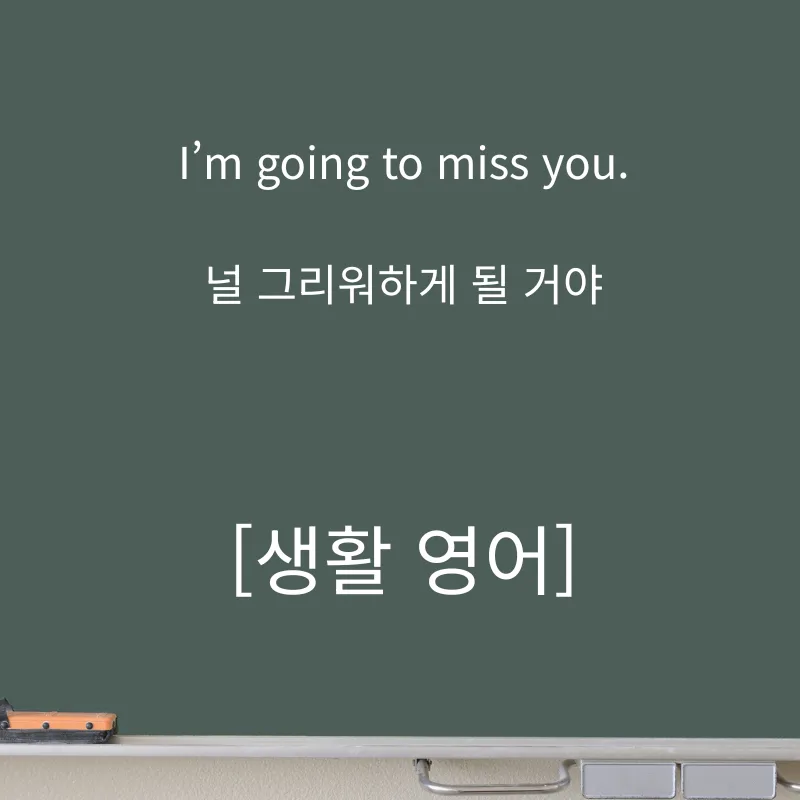
"I'm going to miss you" is a heartfelt English phrase used during farewells, expressing the void someone's absence will leave. It's more than just stating a fact; it's a key emotional expression that can deepen relationships.
What Does "I'm Going to Miss You" Really Mean?
Directly translated, "I'm going to miss you" might sound like "I will fail to catch you," but its actual meaning is "I will miss you" or "I will miss you a lot." In this context, 'miss' signifies 'to feel the absence of' or 'to long for,' not 'to fail.' This phrase is used when anticipating someone's future absence and honestly expressing the resulting longing. For instance, it's useful when saying goodbye to a friend moving away or a colleague leaving their job, conveying genuine sentiment. In my own experience, using such phrases has brought significant comfort and touched the hearts of those departing.
When and How to Use "I'm Going to Miss You"
This expression is typically used when a farewell is anticipated or confirmed. You can use it when a friend is moving to another city, going abroad for studies, or changing jobs, making regular meetups difficult. It's also fitting when expressing nostalgia for a place or experience you've shared. For example, saying "I think I'm going to miss this place" conveys both attachment to the location and regret about leaving. The 'be going to' structure indicates a future plan or expectation, often carrying a more emotional weight than 'will,' making "I'm going to miss you" particularly effective for conveying deeper longing. I've found that adding an adverb like 'really' can further emphasize the depth of this feeling.
Similar English Expressions for Farewell
Beyond "I'm going to miss you," there are various other English phrases to express the sadness of parting. The most basic is "I'll miss you," which conveys longing more concisely. If you're parting with someone you saw daily, you can add specifics like, "I'm going to miss seeing you every day." To emphasize the impact of their absence, you could say, "It won't be the same without you," indirectly highlighting their importance. If you wish to maintain the connection, adding "Let's stay in touch" is a good way to express your desire to continue the relationship.
Important Considerations When Using "I'm Going to Miss You"
The phrase "I'm going to miss you" is most effective when delivered with sincerity. However, depending on the context, it might sound exaggerated or awkward, so caution is advised. For example, using it for a very brief separation or with someone you don't know well might feel burdensome. Therefore, it's crucial to consider the depth of your relationship and the duration of the separation. While this phrase primarily conveys positive emotions, it can also highlight the sadness of the separation itself. Thus, delivering it with an appropriate tone, considering the other person's emotional state, is important. In my experience, using this phrase in overly casual situations can sometimes diminish its sincerity.
Discover more usage tips in the original article.





